Beginner Fitness Exercises and a Workout Plan You Can Actually Stick With
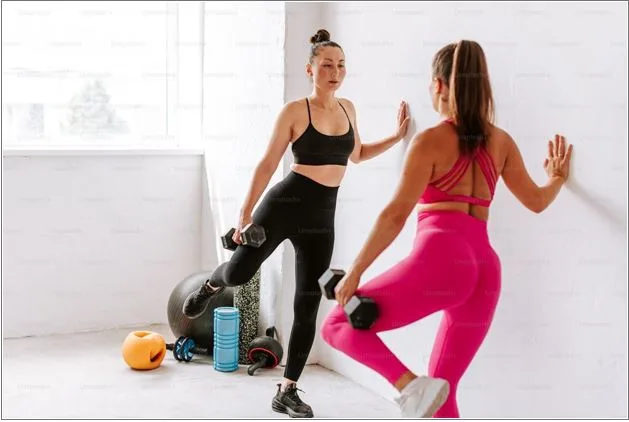
Starting a fitness routine when you’ve genuinely never done one before is honestly kind of intimidating. Every video online seems to assume you already know what a proper squat looks like, or already own a full set of dumbbells, or already have some baseline level of fitness you can build from. If you’re starting from actual zero, a lot of that content just isn’t built for you.
So let’s back up. This is for people who are genuinely starting from the beginning, no gym experience, no equipment necessarily, no idea what half the terminology even means. Here’s what actually matters and a simple plan to follow that won’t leave you so sore you can’t move for a week.
Why Beginners Usually Quit (And How to Not Be One of Them)
Most people who quit fitness in the first month don’t quit because they’re lazy or lack willpower, whatever that even really means. They quit because they started too hard, too fast, based on advice meant for people already in decent shape.
Doing an intense workout on day one when your body’s not used to any of it usually means you’re in genuine pain for the next four or five days, which makes doing anything again feel awful, which means you skip the next session, which means the whole thing quietly falls apart before it ever really starts.
The fix is honestly just starting easier than feels necessary. It’ll feel almost too simple at first. That’s fine. That’s actually the point.
Exercises Worth Learning First
Bodyweight squats. Feet about shoulder width apart, lower down like you’re sitting into a chair, keep your chest up, push back through your heels to stand. This one exercise works your legs, your glutes, your core, basically everything at once. Start with just doing them slowly and focus on getting the movement right before worrying about how many reps you can do.
Push ups (or a modified version). Regular push ups are tough for a lot of beginners, and that’s completely fine, there’s no shame in starting with your knees on the ground instead of your toes, or even doing them against a wall or a raised surface like a countertop if the floor version feels like too much right away. The point is building the movement pattern and some baseline strength, not proving anything to anyone.
Glute bridges. Lie on your back, knees bent, feet flat on the floor, lift your hips up toward the ceiling squeezing your glutes at the top, lower back down slowly. Great for your lower body and honestly really good for people who sit at a desk most of the day, which let’s be honest is most people.
Plank. Forearms on the ground, body in a straight line from head to heels, hold. Even ten or fifteen seconds is a completely legitimate place to start. This builds core strength that supports basically every other exercise you’ll do later.
Walking or marching in place. Sounds too basic to count as exercise, but for genuine beginners it’s a real and useful way to build up some cardiovascular base before jumping into anything more intense. Don’t skip this just because it feels too easy, it’s doing more than you’d think.
A Simple Beginner Workout Plan
Here’s a plan built around those five movements, spread across a week in a way that won’t wreck you.
Monday. Bodyweight squats, 2 sets of 8 to 10 reps. Push ups (modified if needed), 2 sets of 5 to 8 reps. Plank, 2 sets, hold as long as you comfortably can. Ten minutes of walking to finish.
Tuesday. Rest, or just a gentle walk if you feel like moving a bit.
Wednesday. Glute bridges, 2 sets of 10 to 12 reps. Squats again, 2 sets of 8 to 10 reps. Plank, 2 sets. Ten minutes of walking.
Thursday. Rest, or a gentle walk again.
Friday. All five exercises together, squats, push ups, glute bridges, plank, then finish with fifteen minutes of walking instead of ten.
Weekend. Whatever feels good. A longer walk, some light stretching, or just proper rest if your body’s asking for it. Nothing here needs to be structured or intense.
How to Actually Progress From Here
After a couple weeks of this, once it starts feeling genuinely manageable rather than challenging, that’s your cue to add a bit more. An extra rep or two per set, a few more seconds on the plank hold, maybe a third set instead of two. Small increases, nothing dramatic.
Eventually you’ll want to add some resistance, a couple of light dumbbells, resistance bands, whatever you’ve got access to or want to pick up. But honestly, body weight alone can take you further than most people expect before you actually need equipment to keep progressing.
A Few Things Worth Knowing Going In
Soreness after a workout, especially early on, is normal and expected. Sharp pain during a movement is not, and that’s the difference worth paying attention to. One is your muscles adapting, the other is your body telling you to stop and reassess.
Form matters more than reps, especially at the start. Doing five squats properly beats doing fifteen with bad form that’s more likely to lead to actual injury down the line. Slow down if you need to, there’s no rush here.
Consistency beats intensity every time, especially in these first few months. Three easy sessions a week that you actually do beats one brutal session that leaves you too wrecked to want to try again for another two weeks.
The Actual Point of All This
Starting from zero isn’t a disadvantage, it just means you get to build things properly from the ground up instead of skipping steps and dealing with the consequences later. This plan isn’t meant to be impressive. It’s meant to be something you can genuinely keep doing, week after week, until it stops being a plan you’re following and just becomes something you do.
That’s really the whole goal here. Not a dramatic transformation in three weeks, just a starting point solid enough that you’re still showing up for it months from now.