Everything You Need to Know About Wakin Goldfish (Plus Setting Up the Right Tank for Them)
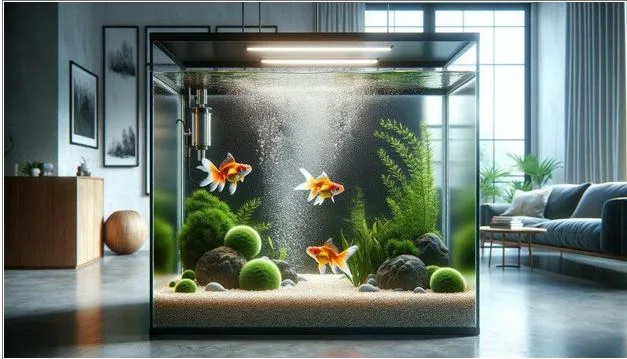
If you’ve come across the name Wakin and you’re not totally sure what you’re looking at, you’re not alone. It’s one of those goldfish varieties that doesn’t get nearly the attention it deserves, especially compared to flashier fancy types like orandas or ranchus. But honestly, once you know what they are, you start noticing why serious goldfish keepers rate them so highly.
Let’s get into what a Wakin actually is, why it’s worth considering, and what kind of tank setup actually suits them properly.
What Is a Wakin Goldfish
Wakin goldfish are basically one of the closest living links back to the original common goldfish, the ones bred from wild carp centuries ago in China before being further developed in Japan. The name itself is Japanese, and Wakins have been kept there for generations, often in outdoor ponds where they’re valued for exactly the traits that make them so easy to overlook in a flashier hobby. Hardy, active, straightforward, not trying to be anything dramatic.
Physically they look a lot like a comet goldfish at first glance, slim, streamlined body, single tail. But the tail is the real giveaway once you know to look for it. Wakins have a double tail, meaning it’s split into two separate lobes rather than one single fin, while still keeping that slim, torpedo-shaped body typical of the more “common” style goldfish. That combination, single-tail body shape paired with a double tail, is honestly pretty unique and it’s the thing that separates a genuine Wakin from a comet at a glance once your eye’s trained for it.
Colour-wise they show up in the classic orange and white, sometimes solid orange, occasionally with more elaborate calico patterning if you find one from a good breeder. Nothing as extreme as what you’d see on a ranchu or a red cap oranda, but there’s a kind of understated elegance to a well marked Wakin that a lot of keepers end up preferring once they’ve had one for a while.
Why Wakins Are Worth Keeping
Honestly, the biggest selling point here is just how tough these fish are. Because they’re genetically closer to the original hardy goldfish stock rather than the more heavily modified fancy varieties, Wakins tend to handle temperature swings, less than perfect water conditions, and general beginner mistakes way better than something like a lionhead or a bubble eye would.
They’re also fast, active swimmers, which honestly makes them more fun to watch day to day than some of the slower, rounder, fancy types that mostly just drift around. If you’ve ever found fancy goldfish a bit too sedate for your taste, a Wakin brings a lot more visible energy to a tank.
They grow properly too, which surprises people who assume all goldfish stay small. A well cared for Wakin in a large enough tank or pond can reach 10 to 12 inches, sometimes more outdoors with real space to grow into. That’s a genuine consideration going in, because a fish this size needs serious room, not a small tank that was fine when it was two inches long at the shop.
What a Wakin Actually Needs in Terms of a Tank
This is where a lot of people go wrong with goldfish generally, and Wakins are no exception given how large they eventually get.
Size. Because Wakins grow big and stay genuinely active swimmers, they need more space than most fancy goldfish varieties, not less. A single Wakin really needs a minimum of 30 gallons to start, and honestly that’s still on the smaller side once it’s fully grown. Add another 15 to 20 gallons per additional Wakin if you’re planning to keep more than one, which is worth doing anyway since they’re social fish and tend to do better with company.
Shape. Long and wide beats tall and narrow every time with goldfish, but it matters even more with an active, fast swimming variety like this. They want room to actually move, not just float in place. A shallow, long tank gives them proper swimming distance and also provides more surface area for oxygen exchange, which matters a lot given how much waste a fish this size and this active produces.
Filtration. Strong filtration is non-negotiable here. Wakins eat a lot relative to their size and produce correspondingly large amounts of waste. Go for a filter rated at minimum double your tank volume, and honestly for a heavily stocked Wakin tank, triple isn’t overkill. Canister filters handle this kind of bioload the best if you’re setting up seriously.
Temperature. This is where Wakins really shows their hardiness. They’re comfortable across a genuinely wide temperature range, and actually do quite well outdoors in a pond setup in temperate climates, tolerating cooler water noticeably better than most fancy varieties would. Indoors, room temperature suits them fine in most homes, no heater really needed unless your house runs unusually cold.
Tank mates. Because they’re fast swimmers with a fairly standard streamlined body, Wakins pair well with other single tailed, active goldfish, comets, shubunkins, common goldfish. Mixing them with slower fancy varieties like orandas or ranchus tends to go badly for the fancy fish, since the Wakin will out-compete them for food every single time without even trying particularly hard.
Feeding and General Care
Feeding a Wakin isn’t really different from feeding any other goldfish, quality sinking pellets as a base, supplemented regularly with fresh vegetables like peas and blanched spinach, occasional protein treats like bloodworm or brine shrimp thrown in for variety. Feed small amounts twice daily rather than one large feeding, and only what they’ll finish within a couple minutes.
Water changes matter just as much here as with any goldfish, arguably more given how much this particular variety eats and grows. Weekly changes of 20 to 30 percent of the tank volume keep nitrate under control and water quality stable. Test regularly, especially early on while you’re still learning how quickly waste builds up in your specific setup.
Given genuinely good care, a Wakin can live 15 to 20 years, sometimes longer in an outdoor pond setting where they’ve got real room to grow and thrive properly. That’s a serious commitment worth going into with eyes open, but also a genuinely rewarding one if you’re after a hardy, active, visually understated goldfish that’s a bit different from the more commonly kept fancy types everyone already knows about.
Worth It
Wakins don’t get talked about nearly as much as the flashier fancy varieties, but for a lot of experienced keepers they end up being a genuine favourite specifically because of how tough and low maintenance they are relative to almost everything else in the fancy goldfish world. If you want something with real presence in a tank, fast, colourful, genuinely easy to keep healthy long term, it’s honestly worth tracking one down from a reputable breeder rather than just going with whatever’s sitting in a standard pet store tank.
Get the tank size and filtration right from day one though, that part really can’t be skipped with a fish that’s going to grow this large and stay this active for potentially two decades.
Check out The Goldfish Tank for more detailed guides on specific goldfish varieties and everything you need to know about setting up a tank that actually suits them properly.