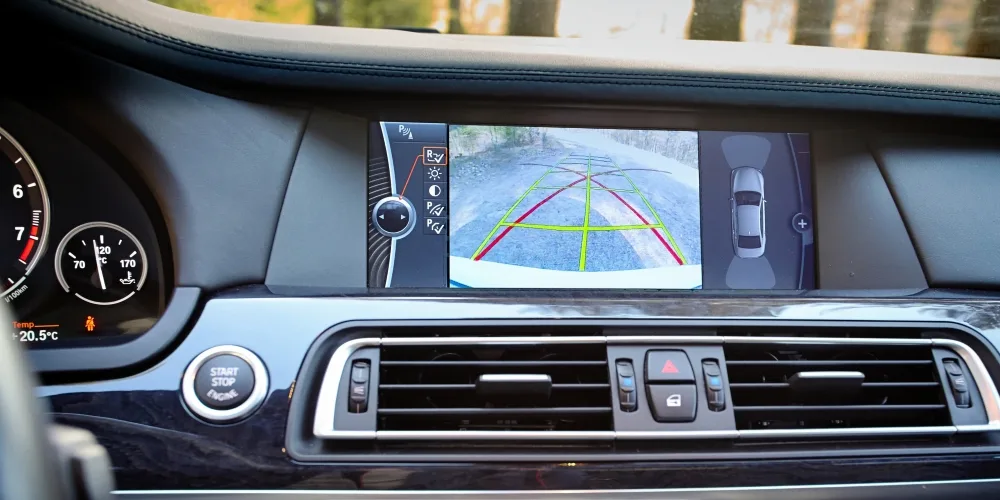
Benefits of Modern Vehicle Technology
Key Takeaways
- Advanced Driver-Assistance Systems (ADAS) significantly reduce the risk of accidents.
- Electric vehicles (EVs) offer environmental benefits and lower operating costs.
- Connected car technologies improve safety and provide real-time information.
- Augmented reality displays and voice-activated controls enhance driver convenience.
- Biometric authentication adds a layer of security and personalization.
Table of Contents
- Advanced Driver-Assistance Systems
- Electric Vehicles
- Connected Car Technologies
- Augmented Reality Displays
- Voice-Activated Controls
- Biometric Authentication
Advancements in automotive technology have dramatically transformed the driving experience over the past decade. Modern vehicles are now equipped with features designed to enhance safety, efficiency, and convenience. From adaptive cruise control and lane-keeping assistance to advanced infotainment systems, these innovations make driving not only easier but also more enjoyable. Improved fuel efficiency, reduced emissions, and smarter navigation systems contribute to a more sustainable and connected journey, benefiting both drivers and passengers.
For those exploring vehicle options, embracing these technological upgrades can also influence buying decisions. Even when considering a pre-owned option, such as a used Kia for sale, many of the modern safety and comfort features remain intact, offering a practical blend of reliability and innovation. Access to such vehicles allows drivers to experience contemporary automotive advancements without the premium price tag, making technology more attainable for everyday commuting and long-distance travel.
Advanced Driver-Assistance Systems
Advanced Driver-Assistance Systems (ADAS) are transforming the modern driving experience by integrating sophisticated sensors, cameras, and radar into standard vehicle equipment. Technologies such as adaptive cruise control, lane departure warning, blind spot monitoring, and automatic emergency braking have made significant contributions to reducing accidents and improving driver confidence. The National Highway Traffic Safety Administration (NHTSA) estimates that up to 80% of non-impaired crashes can be avoided or the severity reduced when ADAS is in use. These systems not only help novice drivers but also provide valuable safeguards for seasoned motorists, ensuring that modern vehicles are safer than ever before.
Electric Vehicles
Electric vehicles (EVs) are rapidly gaining mainstream adoption, driven by their compelling environmental credentials and long-term cost benefits. Compared to traditional gasoline-powered cars, EVs emit significantly less carbon dioxide and other harmful pollutants, especially as the energy grid becomes greener. While some may cite the energy-intensive nature of battery production, studies confirm that total lifetime emissions from EVs are much lower than those from gasoline vehicles. In addition to environmental benefits, drivers generally enjoy lower operation and maintenance costs due to fewer moving parts, no oil changes, and less brake wear thanks to regenerative braking systems.
Connected Car Technologies
Connected car technologies are propelling the auto industry into a new era of intelligence and safety. These innovations enable vehicles to communicate with each other and infrastructure through vehicle-to-everything (V2X) communication. Features like automatic traffic updates, hazard alerts, and predictive vehicle maintenance help drivers make informed decisions quickly. Research indicates that V2X can reduce traffic fatalities and minimize congestion, thereby contributing to both personal safety and broader urban mobility goals. As more vehicles and cities adopt these platforms, the potential for intelligent traffic management and safer roads continues to expand.
Augmented Reality Displays
Augmented reality head-up displays (AR HUDs) bring vital vehicle information directly into the driver’s line of sight by projecting data onto the windshield. This innovative feature ensures that crucial information—such as navigation prompts, speed, and hazard notifications—is always accessible without requiring drivers to take their eyes off the road. The result is increased situational awareness and fewer distractions, which is especially beneficial in complex driving environments or high-traffic situations. With technology evolving rapidly, AR HUDs are expected to become even more sophisticated, personalizing information based on driver preferences and evolving road conditions.
Voice-Activated Controls
The integration of voice-activated controls has progressed rapidly from luxury vehicles to mainstream models, providing a safer, hands-free way to interact with essential car functions. Advanced voice recognition systems now understand natural speech patterns, enabling drivers to adjust climate controls, update navigation routes, and manage entertainment systems without taking their hands off the wheel or eyes off the road. This minimizes distractions and places greater emphasis on road safety. As digital assistants continue to improve, the convenience and accuracy of these systems are expected to become indispensable features in all modern vehicles.
Biometric Authentication
Biometric authentication represents progress in vehicle security and personalization by utilizing fingerprint, facial, or iris scans to improve convenience and safety. These systems verify users before unlocking or starting the car and automatically modify settings such as seat position, mirrors, and infotainment. As privacy issues are managed and the technology advances, biometric systems are anticipated to become common features in future vehicles. Continuous development in vehicle technology is making driving safer, more environmentally friendly, and more convenient. Remaining informed enables drivers to leverage these innovations and help create a smarter, more efficient future.
Looking Ahead
Modern vehicle technologies are revolutionizing how we drive, integrating safety, efficiency, and convenience into daily travel. From advanced driver-assistance features to electric and connected vehicles, these innovations deliver clear benefits for drivers and the environment. As augmented reality displays, voice controls, and biometric authentication become more widespread, even basic options offer a glimpse into this technological future. Adopting these advancements leads to safer trips, smarter transportation, and a more enjoyable driving experience for all.