Can Extreme Fitness Goals Affect Fertility Health? Here’s What Doctors Want You to Know
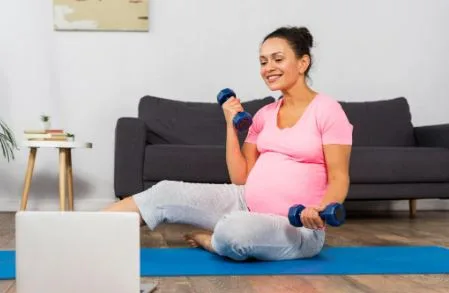
In today’s fitness-driven culture, achieving six-pack abs, completing marathons, and hitting ambitious body transformation goals have become symbols of discipline and success. Social media is filled with stories of dramatic weight loss, intense workout regimens, and strict diet plans. While staying active is undoubtedly beneficial for overall health, experts warn that taking fitness to extremes may come at an unexpected cost: fertility health.
The relationship between exercise and reproductive health is often misunderstood. Moderate physical activity can improve fertility, but excessive training, inadequate nutrition, and overtraining may disrupt the delicate hormonal balance needed for conception.
The Fertility-Fitness Connection
Regular exercise plays a vital role in maintaining a healthy weight, reducing stress, improving cardiovascular health, and supporting hormonal balance. These factors are closely linked to reproductive health in both men and women.
However, when exercise becomes excessive or is combined with restrictive eating habits, the body may interpret it as a state of physical stress. As a result, it begins prioritizing survival functions over reproductive functions. Fertility can become one of the first systems affected. Experts describe this phenomenon as the “fertility-fitness paradox,” where a person appears physically fit but experiences reduced reproductive potential.
How Extreme Fitness Can Affect Women’s Fertility
For women, fertility depends heavily on hormonal balance and regular ovulation. Intense exercise routines, especially when accompanied by insufficient calorie intake, can interfere with the hypothalamus—the part of the brain responsible for regulating reproductive hormones.
This disruption may lead to:
- Irregular menstrual cycles
- Delayed ovulation
- Reduced estrogen production
- Missed periods (amenorrhea)
- Difficulty conceiving
Studies have shown that excessive physical activity can suppress hormones responsible for triggering ovulation, making it harder for women to become pregnant naturally.
Women involved in endurance sports, competitive athletics, or intense daily training programs are particularly vulnerable if recovery and nutrition are not adequately managed.
The Impact on Male Fertility
The effects of overtraining are not limited to women. Men can also experience fertility challenges due to extreme fitness practices.
Research and fertility specialists have highlighted that prolonged high-intensity exercise, excessive endurance training, and the use of performance-enhancing substances can negatively affect sperm health. Potential consequences include:
- Reduced sperm count
- Lower sperm motility
- Hormonal imbalances
- Decreased testosterone production
- Increased sperm DNA damage
Additionally, anabolic steroids and testosterone boosters used for muscle gain can significantly suppress natural sperm production. In some cases, men only discover the impact when they begin planning for a family.
The Hidden Risk of Extreme Dieting
Fitness goals are often accompanied by aggressive dietary strategies. Very low-calorie diets, extreme carbohydrate restriction, and excessively low body fat percentages can further affect fertility.
When the body perceives that energy availability is insufficient, reproductive hormones may decline. In women, this can affect ovulation. In men, restrictive diets may contribute to hormonal disturbances that impact sperm production and quality.
The combination of overtraining and under-fuelling is particularly problematic because it places the body under continuous physiological stress.
What Dr. Kshitij Murdia Says About Extreme Fitness and Fertility
According to fertility experts, the goal should not be to avoid exercise but to maintain balance. In a recent discussion on the impact of extreme fitness trends on reproductive health, Dr. Kshitij Murdia emphasized that while physical fitness supports overall well-being, excessive training and nutritional imbalances can interfere with reproductive function.
His observations highlight an important reality: fitness should enhance health, not compromise long-term goals such as parenthood. Readers can explore his insights in greater detail through this article discussing the relationship between extreme fitness and fertility health.
Warning Signs You May Be Overtraining
People pursuing aggressive fitness goals should pay attention to signs that their body may be under excessive stress.
These include:
- Persistent fatigue
- Irregular or missed menstrual cycles
- Declining workout performance
- Frequent injuries
- Sleep disturbances
- Reduced libido
- Mood changes
- Unexplained weight loss
If these symptoms occur alongside difficulty conceiving, it may be worth discussing exercise habits with a fertility specialist.
Finding the Right Balance
The good news is that exercise remains one of the best lifestyle habits for fertility when practiced appropriately.
Experts generally recommend:
- Moderate-intensity exercise most days of the week
- Adequate caloric intake to support activity levels
- Strength training with proper recovery
- Sufficient sleep and stress management
- Avoiding performance-enhancing drugs and unregulated supplements
Rather than chasing extreme physical goals, individuals trying to conceive should focus on sustainable fitness habits that support both physical and reproductive health.
When to Seek Professional Guidance
If you have been trying to conceive for several months while maintaining a highly intensive workout routine, it may be beneficial to seek medical advice. Fertility specialists can evaluate whether exercise, nutrition, hormonal balance, or other lifestyle factors may be affecting reproductive health.
Trusted fertility centers help couples understand the many factors that influence fertility and provide personalized guidance on optimizing reproductive health while maintaining an active lifestyle.
Conclusion
Fitness and fertility do not have to be opposing goals. In fact, moderate physical activity is one of the most effective ways to support reproductive health. Problems typically arise when exercise becomes excessive, recovery is ignored, or nutrition falls short of the body’s needs.
The key takeaway is simple: your body thrives on balance. Whether you’re training for a marathon, pursuing weight-loss goals, or building strength in the gym, a sustainable approach is far more beneficial than pushing your body to extremes. Protecting your fertility today may help preserve your options for tomorrow.