Car Key Replacement in Sydney: What to Check Before Paying
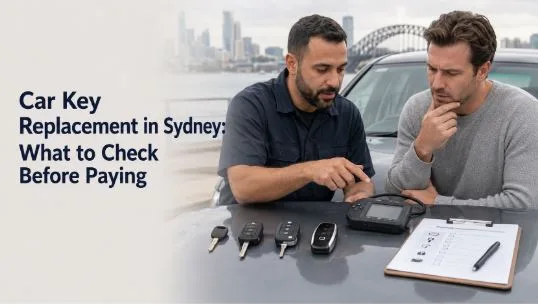
Most drivers only think about a spare key or car key replacement after the original key starts causing trouble. The remote takes a few presses to respond. The casing cracks. The car came with only one working key. Or the key still unlocks the door, but the engine refuses to start.
The real decision usually comes one step earlier: are you dealing with a simple spare key, a damaged remote, or a fob that needs programming? Knowing the key type first makes the next decision clearer: repair the case, cut a blade, program a key, or replace the fob.
Key Type Comes Before Price
Price is hard to compare before the key type is clear. A basic blade may only need cutting. A remote key may need button or circuit checks. A transponder key has to be recognised by the vehicle. A smart fob may need programming before the car will unlock or start.
That is why two quotes can sound different even when both mention a “replacement key.” One may cover only the physical blade. Another may include programming and testing. Before comparing prices, check the vehicle make, model, year, and the type of key you already have.
Small Faults That Are Worth Catching Early
A failing key often gives warnings before it stops working. The remote range becomes shorter. Buttons sink or stick. The case cracks around the blade. The key feels rough in the lock. A smart fob works one day, then becomes unreliable after being dropped or exposed to water.
These signs do not always mean the key is about to fail. They do mean you should identify what you have while the car is still open and start.
A cracked case may only need a new shell. A weak signal may come from the fob or battery contact. A worn blade may need attention before it snaps or stops turning smoothly. The point is not to panic early; it is to avoid making the decision only after the key is unusable.
One Working Key Is Not a Backup Plan
One working key feels fine until it is missing. This happens often with used cars. The seller hands over one key, the car starts, and the issue gets ignored.
The problem is that “make a spare” and “restore access” are not the same situation. When one working key still exists, it is usually easier to identify the key type, arrange a spare, and test it calmly.
One working key is not an emergency. It is a single point of failure.
What to Check Before Car Key Replacement
Before paying for a replacement, start with the details that change the job: vehicle make, model, year, key type, and what happened to the original key. Was it lost, damaged, locked inside the car, or only working sometimes?
Before booking car key replacement, be clear about what has actually happened to the key. A cracked remote case may only need a new shell, while a lost programmed key may require cutting and programming before the car will recognise it.
This also makes price comparisons more useful. You are not comparing “key versus key.” You are comparing the actual work needed to make that key function with your vehicle.
When to Browse Car Key Parts and Accessories
Browsing options can help, but only after you have a rough idea of what category you need. A spare key, remote case, smart fob, blank blade, and accessory are not interchangeable.
If you already know whether you are looking at a spare key, replacement shell, or remote fob, you can visit the online shop to compare car keys, fobs, and accessories before asking for vehicle-specific confirmation. The shop can be a useful starting point, but it should not replace compatibility checks.
A fob that looks similar online may still fail if it does not match the vehicle’s year, frequency, or programming requirements. Appearance is not enough.
Do the Boring Check Before the Urgent Call
The best time to think about replacement is before the only working key fails.
Check how many working keys you have. Identify whether the key is basic, remote, transponder, or smart. Notice small faults early. Confirm compatibility before paying for a replacement or ordering a fob.
That is not overthinking. It is the difference between choosing the right option calmly and guessing under pressure when the car is already inaccessible.