Columbus Commuters Ditch Late-Night Buses for Private Transportation Over Growing Safety Fears
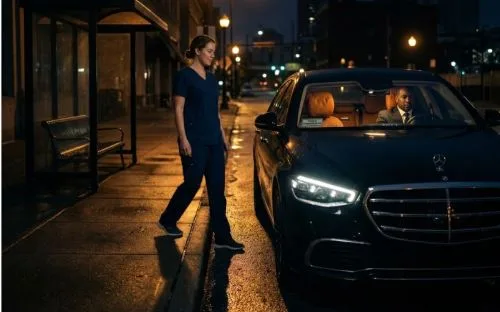
Columbus runs on people who work while the rest of the city sleeps. Nurses finishing overnight hospital shifts, restaurant workers heading home after last call, and college students wrapping up late study sessions all need a dependable way to get home without incident. For years, COTA buses carried these late-night commuters across Franklin County without much debate. That routine has started breaking down in a way transit officials can no longer overlook. Riders who once caught the last bus without hesitation are now calling reliable car services in Columbus, and personal safety is the reason they keep giving.
Safety Incidents Push Riders Toward Car Services
Late-night riders along High Street and Broad Street have reported a steady rise in threatening situations, both at stops and on board vehicles. Poor lighting at many COTA stops leaves commuters standing alone in near-darkness, sometimes waiting 30 to 40 minutes past the scheduled arrival time. Harassment from other passengers, unpredictable confrontations near downtown Columbus stops, and a visible absence of security personnel have all fed into growing rider unease.
Columbus bus safety concerns have spread quickly through neighborhood Facebook groups, Reddit threads covering Columbus public transit, and workplace group chats among night shift teams. When enough people share the same troubling experience on the same route, that pattern stops looking like a coincidence and starts looking like a systemic gap that needs fixing.
Night Workers Carry an Unfair Daily Safety Burden
Hospital employees finishing overnight shifts at OhioHealth or Mount Carmel regularly deal with some of the most stressful late-night travel situations in Columbus. Service industry workers leaving Short North restaurants after 1 a.m. often wait at stops with no shelter, no working streetlight overhead, and no reliable update from the COTA tracking system. Students near the OSU campus run into route gaps that leave them stranded at stops where prior incidents have already been documented.
For these commuters, worrying about late-night transit safety in Columbus is not an abstract fear built on rumor. It comes from standing alone at a dark stop, watching the estimated bus arrival reset twice, and calculating whether tonight will be safe. Many workers absorbed that stress for months before finally switching to a professional car service or arranging a paid ride with a licensed chauffeur.
Professional Car Services Fill a Growing Void
Licensed car services and chauffeur-driven vehicles have become a practical solution for Columbus commuters who no longer feel secure waiting at bus stops after dark. Professional chauffeurs operating under Columbus’s private transportation standards offer a fundamentally different experience from what public transit currently provides during late-night hours. Pickup happens at the rider’s exact location, removing the need to stand alone at an exposed stop.
Chauffeurs carry verified credentials, vehicles meet inspected safety standards, and passengers travel in a controlled environment with a known, accountable person behind the wheel. Some Columbus employers in healthcare and hospitality have started contracting with local car service companies to provide overnight transportation for staff working past midnight. Premium car service operators in Columbus Ohio, have responded to growing demand by expanding late-night availability, with some providers now offering scheduled pickups timed around hospital shift changes and restaurant closing hours.
Cost Creates a Real and Honest Trade-Off
Choosing a professional car service over a COTA bus ticket carries a financial difference that most night shift workers feel right away. COTA’s flat fare keeps daily travel affordable for hourly workers managing tight monthly budgets. A professional chauffeur service in Columbus typically runs between $20 and $40 for a single late-night trip, depending on distance and vehicle type. For someone working five nights per week, that expense adds up to several hundred dollars monthly, which is a genuine financial strain for service workers and entry-level hospital staff.
Even with that cost gap, a growing number of Columbus commuters now treat professional transportation as a fixed safety expense built into their working life. When personal security enters the decision, workers stop comparing fares and start comparing what each option actually puts them through. Reliable late-night car service in Columbus has shifted from being a luxury consideration to a practical necessity for people who have already experienced one too many unsettling nights waiting on a dark platform.
COTA Takes Steps to Address Public Pressure
COTA has responded to public safety concerns by introducing changes across several Columbus bus routes. Security presence has increased at busier stops during late-night service hours, and city officials have pushed to improve lighting conditions at transit points throughout Franklin County. Updates to schedule tracking have aimed to give riders more accurate arrival windows, reducing the uncertainty that makes waiting feel unsafe after dark.
Feedback gathered through Columbus transit discussions in community meetings and online forums shows that riders acknowledge the effort but still report gaps in execution. Lighting remains inadequate on stretches of Livingston Avenue and Cleveland Avenue, and security coverage at smaller stops continues to fall short of what commuters actually need during overnight hours. Closing the distance between stated improvements and what riders experience each night remains the central challenge facing COTA heading into the next service review period.
Researchers Connect Columbus to a Documented National Trend
Transit researchers and city planning professionals have tracked a consistent pattern across mid-sized American cities since 2021. Late-night public transit ridership has declined, and safety concerns rank as the primary chauffeur of that decline in study after study. Columbus fits clearly within that documented national picture. Community advocates in Franklin County highlight that post-pandemic bus environments shifted in ways riders noticed almost immediately, including reduced onboard staffing and fewer resources allocated to stations during off-peak hours.
Planning professionals working on Columbus transportation reform emphasize that cities that underestimate perceived safety risk tend to accelerate a permanent departure from public transit. Once private ground transportation habits form and riders build routines around car services and licensed chauffeurs, winning that trust back requires substantial investment and sustained change over time.
Columbus Faces Consequences That Reach Far and Wide
When large numbers of late-night commuters stop riding buses, the effects extend well past individual travel decisions. Lower-income Columbus residents without access to a personal vehicle or a steady car service budget depend on COTA in ways that higher-earning workers do not. Safety-driven ridership decline reduces the political pressure needed to fund route improvements, which then makes those same routes less attractive to riders who stay. Columbus’s late-night transportation is drifting toward a two-track reality where workers with financial flexibility choose professional car services and workers without that option absorb the safety risk every single night.
Private vehicle use during late-night hours also puts added strain on city roads and parking capacity in ways that urban planners are actively tracking. Columbus has a clear opportunity right now to treat late-night transit safety as a serious infrastructure priority, because every commuter who permanently walks away from public buses makes restoring that trust harder for everyone who depends on this city’s transit network.