Case Packer Machine:The Final Step Before Shipping
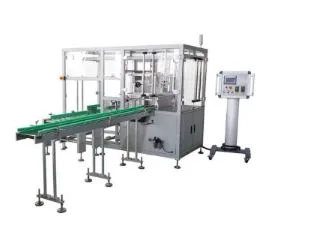
By the time a product reaches the end of a packaging line, it’s usually already sealed, labeled, and ready for sale. What happens next — grouping those individual units into shipping cases — is the job of a case packer machine. Though it often gets less attention than filling or labeling equipment, the case packer plays a direct role in how efficiently a warehouse can move product out the door.
What a Case Packer Machine Does
A case packer machine takes finished, individually packaged products — bottles, pouches, cartons, or cans — and loads them into larger corrugated cases for shipping or bulk retail display. Depending on the machine, this can include:
- Case forming – Erecting a flat cardboard blank into a case shape
- Product grouping – Arranging individual items into the correct pattern and quantity
- Loading – Placing the grouped products into the case
- Sealing – Closing the case with tape, glue, or stitching
- Coding – Printing lot numbers, barcodes, or shipping information on the case
Some case packers handle only the loading step, working alongside separate case erectors and sealers, while fully integrated systems manage the entire sequence in one machine.
Types of Case Packing Machines
Drop Packers Products are lifted and dropped into a case from above, typically used for rigid items like bottles or cans that can withstand the motion without damage.
Wrap-Around Case Packers Rather than dropping products into a pre-formed box, these machines wrap a flat cardboard blank around a grouped set of products and seal it into a case around them. This method often uses less material and suits products of varying heights.
Robotic Case Packers Robotic arms pick and place products into cases, offering flexibility for handling irregular shapes, mixed product sets, or frequent changeovers between different case sizes.
Side-Load Case Packers Products are pushed into a case from the side rather than dropped from above, which works well for items sensitive to vertical impact, such as glass containers or delicate packaging.
Why Case Packing Automation Matters
Manually packing cases is slow and physically demanding, especially at high volumes. Automated case packers address several recurring problems:
- Speed – Machines can pack far more cases per minute than manual labor, which matters most during peak production periods.
- Consistency – Every case is packed with the same product count and orientation, reducing shipping errors and returns caused by miscounts.
- Labor and ergonomics – Repetitive lifting and packing is physically taxing; automation reduces strain-related injuries and frees staff for other tasks.
- Material efficiency – Precision forming and sealing reduces wasted tape, glue, or corrugate compared to manual packing.
Key Considerations Before Buying
Product Characteristics Fragile, top-heavy, or irregularly shaped products need gentler handling methods, such as robotic pick-and-place or side-loading, rather than drop packing. Matching the machine to the actual product prevents damage and downtime.
Case Style and Size Range Some businesses run a single case size consistently; others need to switch frequently between sizes for different products or markets. Machines vary widely in how easily they handle size changeovers — some require manual tool changes, while others adjust automatically via the control system.
Throughput Needs Case packers are typically rated in cases per minute. It’s worth evaluating not just current volume but realistic growth, since undersized equipment quickly becomes a bottleneck once production scales up.
Integration with the Rest of the Line A case packer usually sits between upstream grouping or cartoning equipment and downstream palletizing systems. Confirming conveyor speeds, control system compatibility, and physical footprint all matter before finalizing a purchase — a machine that performs well in isolation can still cause bottlenecks if it doesn’t sync with the rest of the line.
Case Quality and Sealing Reliability A case that isn’t sealed consistently can come apart during shipping, leading to damaged goods and returns. It’s worth confirming a machine’s sealing method — tape, glue, or stitching — matches the durability requirements for the shipping distance and handling conditions involved.
Maintenance and Uptime
Case packers involve moving parts like grippers, pushers, or robotic arms, along with sealing components that need regular calibration. Preventive maintenance — checking belts, sensors, and glue or tape systems on a set schedule — helps avoid unplanned downtime, which is especially costly on lines running near full capacity.
Final Thoughts
A case packer machine might be the last stop before a product leaves the facility, but its performance affects everything downstream — shipping costs, damage rates, and how quickly warehouses can turn products around. Choosing the right type, whether drop, wrap-around, robotic, or side-load, depends heavily on the specific product and case requirements rather than a one-size-fits-all solution. Requesting a demo with an actual product sample, reviewing changeover procedures, and confirming integration with existing equipment are practical steps before committing to a purchase.