Stick Pack Machines: Small Packages,Big Demand
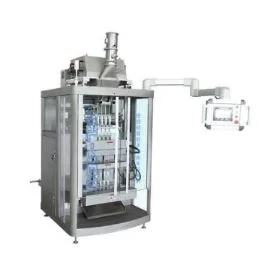
Single-serve powders, gels, and liquids have become a fixture on store shelves — from instant coffee and protein supplements to sweeteners and pharmaceutical doses. Most of these come in a slim, elongated sachet known as a stick pack, and the equipment that produces them is called a stick pack machine. As convenience packaging continues to grow across food, supplement, and pharmaceutical industries, stick pack machines have become a common investment for manufacturers looking to enter or expand in this format.
What a Stick Pack Machine Does
A stick pack machine forms, fills, and seals a continuous roll of film into individual narrow pouches. The general process includes:
- Film unwinding – A roll of packaging film is fed into the machine
- Forming – The flat film is shaped into a tube around a forming collar
- Vertical sealing – The back seam of the tube is sealed to close it lengthwise
- Filling – Product (powder, granules, liquid, or gel) is dosed into the open tube
- Cross-sealing and cutting – The tube is sealed above and below the product, then cut to separate individual sticks
This entire sequence typically happens continuously, with the machine producing dozens of finished stick packs per minute.
Types of Products Packed in Stick Packs
- Powders – Instant coffee, protein powder, drink mixes, sugar substitutes
- Granules – Sugar, salt, spice blends, tea
- Liquids and gels – Condiments, energy gels, personal care samples
- Pharmaceutical doses – Single-dose medications or supplements requiring precise, tamper-evident packaging
The versatility of stick pack machines to handle multiple product types with adjustable dosing systems is part of why the format has spread across so many industries.
Key Components That Affect Performance
Dosing System The dosing mechanism — auger fillers for powders, piston fillers for liquids, or volumetric cup fillers for granules — needs to match the product’s flow characteristics. A mismatch here leads to inconsistent fill weights, which can cause regulatory or quality issues, especially in pharmaceutical or nutraceutical applications.
Film Compatibility Stick pack machines typically run flexible film such as laminated plastic, foil, or paper-based materials. Confirming a machine is compatible with the specific film thickness and material a business plans to use avoids sealing problems down the line.
Sealing Reliability Since stick packs are sealed on three sides using heat or ultrasonic sealing, consistent seal integrity is critical — especially for liquid or moisture-sensitive products where a weak seal leads to leaks or spoilage.
Number of Lanes Stick pack machines can run single-lane or multi-lane configurations, producing several sticks side-by-side in each cycle. Multi-lane machines dramatically increase output but require more precise film handling and dosing synchronization across lanes.
Why Businesses Choose Stick Packs
- Portion control – Stick packs deliver a precise, pre-measured single serving, which appeals to supplement, beverage, and pharmaceutical brands.
- Portability – Their slim shape fits easily into pockets, bags, or travel kits, making them popular for on-the-go products.
- Lower material use – Compared to bottles or jars, stick packs use significantly less packaging material per serving.
- Shelf appeal – Multi-stick display boxes create strong retail visibility and allow for sampling or trial-size offerings.
What to Consider Before Buying
Throughput Needs Stick pack machines are rated in sticks per minute, and output varies significantly between single-lane and multi-lane models. Matching machine speed to realistic production volume — including future growth — helps avoid under- or over-investing.
Product Variability Businesses that plan to run multiple products or formulations through the same machine should confirm how easily the dosing system can be recalibrated or swapped between runs.
Changeover Time Switching between stick lengths, film types, or product formulas can require different amounts of manual adjustment depending on the machine’s design. Quick-changeover models reduce downtime for businesses running varied product lines.
Regulatory Requirements Pharmaceutical and nutraceutical applications often require specific validation, tamper-evidence, and fill-weight accuracy standards. Confirming a machine meets relevant compliance requirements before purchase avoids costly retrofits later.
Maintenance Considerations
Routine maintenance for stick pack machines typically involves cleaning dosing components, checking sealing jaws for wear, and calibrating film tension and cutting mechanisms. Because these machines run continuously at high speed, even small misalignments can lead to noticeable increases in scrap rates, making regular preventive checks worthwhile.
Final Thoughts
Stick pack machine offer an efficient way to deliver single-serve convenience across a wide range of products, but success depends on matching the dosing system, film compatibility, and lane configuration to the specific product being packed. Requesting a trial run with the actual product formulation, reviewing seal integrity under real conditions, and confirming regulatory compliance where applicable are all worthwhile steps before committing to a machine.