Chiropractor, Acupuncture, and Rehab: A Practical Guide to Recovery
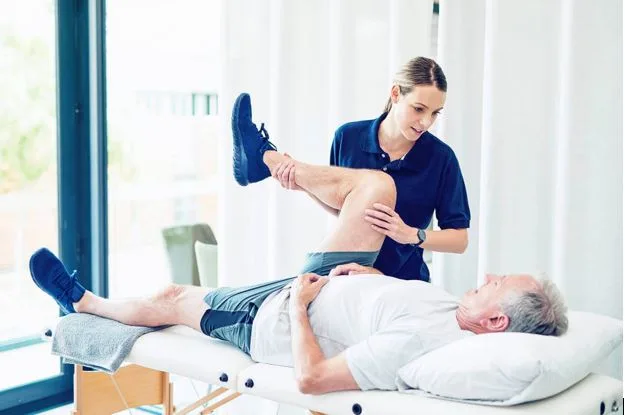
Navigating that excruciating pain becomes one of the biggest challenges of your life. where you try to approach every means to get rid of the pain. Some book a chiropractic appointment first, while others try acupuncture or massage therapy based on recommendations from friends or online advice. The problem is that many patients begin treatment without fully understanding how each therapy works or how they can complement one another.
However, it is essential to realize that when it comes to pain management and alleviation, there is rarely one size fits all formula. You need to dive deep and understand your situation before you book your appointment. Understanding the role of chiropractic care, acupuncture, registered massage therapy, and active rehab can help patients make more informed decisions about their recovery.
This guide explains how each treatment works, when it is most effective, and how combining therapies can support better long-term results.
- What Does a Chiropractor Do and When Should You See One?
A chiropractor focuses on spinal alignment, joint mobility, and posture correction to reduce pain and improve movement.
Common Conditions Treated
Chiropractors commonly treat back pain, neck pain, headaches, sciatica, joint stiffness, and posture-related discomfort. Many people also seek chiropractic care after workplace, sports, or motor vehicle accidents.
Posture Correction and Adjustments
Poor posture can strain the spine and surrounding muscles. Chiropractic adjustments are designed to improve alignment, restore joint mobility, and reduce tension in affected areas. These adjustments may also improve the range of motion and help patients move more comfortably.
2. When Chiropractic Care Is Most Effective
Chiropractic treatment is often most effective for mechanical pain conditions involving the spine, joints, and posture. Patients experiencing stiffness, limited mobility, or recurring back pain may benefit from regular chiropractic care combined with exercise and rehabilitation.
What Is Acupuncture and Why Do People Use It?
Acupuncture is an ancient method of treatment that involves inserting fine needles into specific points to support pain relief, circulation, and recovery.
How Acupuncture Works
Acupuncture involves stimulating targeted points in the body to encourage natural healing responses. Many practitioners use acupuncture to help regulate pain signals, improve blood flow, and reduce muscle tension.
Benefits of Acupuncture
Many patients explore acupuncture benefits for chronic pain, stress management, headaches, muscle tightness, and recovery support. Acupuncture is often used alongside physiotherapy, chiropractic care, or massage therapy as part of a broader treatment plan.
Why Some Patients Feel Tired After Acupuncture
A common question patients ask is, “Does acupuncture make you tired?” In some cases, yes. After treatment, people may feel relaxed, calm, or temporarily fatigued because the nervous system shifts into a more restorative state. This response is usually temporary and may indicate the body is responding to treatment.
- What Is Registered Massage Therapy (RMT) and How Does It Help?
Registered Massage Therapy focuses on muscle recovery, tension release, and improving circulation.
Muscle Pain and Stress Relief
Registered massage therapy is commonly used to reduce muscle tension, stiffness, and stress-related discomfort. RMT treatments target soft tissues, helping muscles relax while improving blood circulation.
Injury Recovery Support
Massage therapy can support recovery after injuries by reducing muscle tightness and improving mobility. Patients recovering from sports injuries, repetitive strain, or physical stress often include massage therapy in their rehabilitation plan.
Difference Between RMT and Regular Massage
The key difference between registered massage therapy and a standard relaxation massage is clinical focus. RMT treatments are provided by licensed professionals trained to address specific physical conditions and recovery goals, rather than simply relaxation.
- What Is Active Rehab and Why Is It Important?
Another important pain management treatment procedure to note is Active Rehabilitation. It includes guided exercises designed to restore strength, mobility, and long-term function.
Exercise-Based Recovery
Unlike passive treatments, active rehab requires patients to participate in targeted exercises. These exercises improve strength, flexibility, stability, and overall movement patterns.
Preventing Recurring Injuries
One major benefit of active rehab is injury prevention. Weak muscles, poor posture, and movement imbalances can contribute to recurring pain. Rehabilitation exercises help correct these issues over time.
Role in Long-Term Rehabilitation
Active rehab is often essential for lasting recovery. While treatments like chiropractic care or massage may reduce pain, rehabilitation exercises help maintain those improvements and reduce the risk of future injuries.
- How to Choose the Right Treatment for Your Condition?
When you have so many treatment options available, one of the primary questions remains: which treatment method suits you best? Well, it depends upon various factors, which include your symptoms, lifestyle goals, and most importantly, your age.
Pain Type
Sharp joint pain may respond well to chiropractic care, while muscle tension could benefit more from registered massage therapy. Chronic pain and stress-related symptoms may improve with acupuncture.
Activity Level
Athletes and physically active individuals often benefit from combining treatments with active rehab to improve performance and reduce injury risk.
Recovery Timeline
Some conditions require short-term pain relief, while others need ongoing rehabilitation. Clinics like Primary Rehab often combine therapies to support both immediate recovery and long-term health goals.
Recovery is rarely about relying on a single treatment. Combining therapies based on the patient’s condition, lifestyle, and physical demands often leads to faster recovery, improved mobility, and more stable long-term results.