Massage Chair Buying Guide: How to Choose the Right One for Your Needs
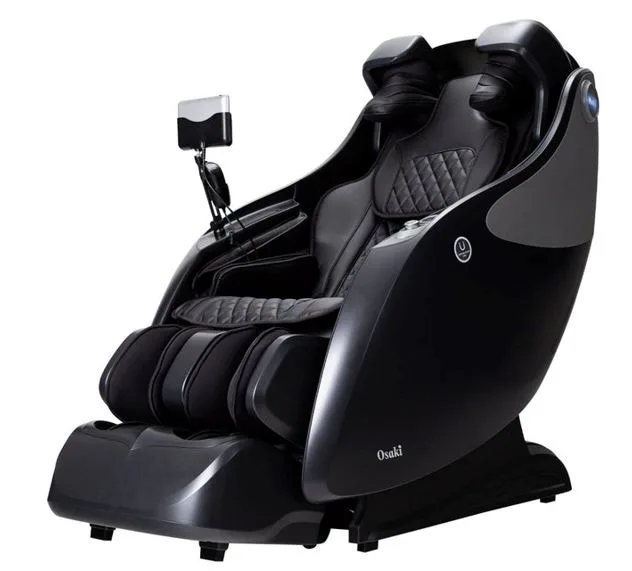
Back pain, stress, and tons of emotional pressure leave the modern generation looking for home wellness solutions. One of the fastest-growing wellness products today is the massage chair. Unlike occasional spa visits, massage chairs offer daily relaxation whenever you need it. They are no longer viewed solely as luxury items; many families now consider them long-term investments in health and comfort.
However, choosing the right model can feel overwhelming. From entry-level chairs to advanced 4D systems, there are countless options with different technologies and features. This practical guide will help you understand how massage chairs work, what features matter most, and how to find the right chair for your lifestyle and budget.
- What Is a Massage Chair and How Does It Work?
A massage chair uses motorized rollers, airbags, and programmed movements to replicate human massage techniques.
Modern massage chairs are designed to target common pressure points throughout the body. Most models combine mechanical rollers with air compression systems to create a relaxing and therapeutic experience.
Types of Massage Mechanisms:
Massage chairs are commonly categorized by their massage technology. However, when you are looking to invest in your very first massage chair, you must understand the variable features each technology offers.
- 2D massage chairs move rollers up, down, and side to side. They are ideal for basic relaxation.
- 3D massage chairs allow rollers to move inward and outward, creating adjustable pressure and a deeper tissue massage.
- 4D massage chairs offer variable speeds and rhythmic changes for a more human-like massage experience.
Air Compression Systems
Airbags are placed around areas like the shoulders, arms, legs, and feet. These airbags inflate and deflate to improve circulation and reduce muscle tension.
Heat Therapy and Zero Gravity
Many massage chairs include lumbar heat therapy to relax tight muscles. Zero gravity positioning elevates the legs slightly above the heart, reducing pressure on the spine and enhancing comfort during massage sessions.
- What Are the Different Types of Massage Chairs?
Massage chairs range from basic models to advanced 4D systems with customizable programs.
Entry-Level Massage Chairs
These chairs are designed for casual users who want simple relaxation features. They typically include vibration, rolling massage, and limited preset programs.
Entry-level massage chairs are more affordable and work well for occasional use.
Mid-Range Chairs
Mid-range massage chairs usually include body scanning, zero-gravity positioning, and improved roller systems. They offer improved customization and more targeted massage programs. These are ideal for households looking for regular comfort and stress relief.
Premium 4D Massage Chairs
Premium models deliver advanced massage realism with deeper pressure control, intelligent body scanning, and personalized settings. Many high-end massage chairs also include voice control, Bluetooth speakers, and extended SL-track systems.
Japanese-Inspired Massage Chairs
Japanese-inspired massage chairs emphasize precision and therapeutic techniques. These models often prioritize posture alignment, acupressure, and realistic hand-like massage movements. If you simply want relaxation and moderate pressure, a 3D massage chair may be enough. However, users seeking a more lifelike and customizable experience often prefer 4D massage chairs.
- How to Choose the Right Massage Chair for Your Lifestyle
The best massage chair depends on how often you use it, your pain points, and the space you have available.
For Daily Stress Relief
If your main goal is relaxation after work, look for massage chairs with preset relaxation programs, heat therapy, and zero gravity positioning.
For Athletes and Recovery
Athletes and fitness enthusiasts may benefit from deeper-tissue massage, calf compression, and advanced roller technology available in 3D or 4D models.
For Elderly Users
Older adults often prefer massage chairs with gentle pressure settings, easy controls, and supportive recline features.
For Office and Home Use
Compact massage chairs work well in apartments, offices, and smaller homes. Brands like Osaki USA offer a variety of models designed for different room sizes and user preferences.
- What Features Actually Matter When Buying a Massage Chair?
Key features include roller technology, zero gravity, body scanning, and massage programs.
SL-Track vs L-Track
An SL-track follows the natural curve of the spine and extends into the glutes and thighs. L-track systems are longer and provide broader lower-body coverage.
Full Body Airbags
Air compression for shoulders, arms, hips, calves, and feet improves circulation and creates a more immersive massage experience.
Smart Controls and Presets
Modern massage chairs often include touchscreen remotes, app controls, memory settings, and automatic massage programs tailored to specific needs.
A typical buyer may initially purchase a basic massage chair for occasional relaxation. After several months of regular use, they often realize the chair lacks sufficient deep tissue support or customization.
Many users eventually upgrade to a mid-range or premium model because they use the chair more frequently than expected. Investing slightly more upfront often leads to greater long-term satisfaction and comfort.
Conclusion:
The biggest mistake buyers make is underestimating how often they will use the chair. A model that feels “good enough” today may feel limited after regular use.
Experts recommend prioritizing comfort, durability, and adjustability over flashy extra features. A reliable massage experience matters more than unnecessary technology.