Commercial Energy Storage System: How Does It Work?
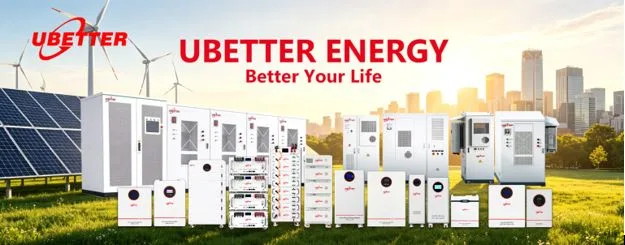
Uncertainty is growing in relation to electricity prices, and companies are searching for methods that would allow them to build more resilience in terms of energy consumption while cutting down on their expenses. In connection with the introduction by utility companies of new pricing methods, such as time-of-use, demand charges, and grid modernization, Commercial Energy Storage System becomes a more realistic choice for those who wish to manage their energy use better.
What Is a Commercial Energy Storage System?
In a Commercial Energy Storage System, electricity is stored for future use and not used immediately from the grid. Lithium-ion batteries are mostly used to store the energy, but there are various types of batteries that may be used depending on specific purposes.
As opposed to generators that generate electricity from fuel when the power goes off, a battery energy system uses the electrical grid or solar power to store electricity. It can then release the stored energy when there is increased energy usage, high costs, or lack of grid power.
Commercial systems are typically deployed in office spaces, factories, warehouses, schools, hospitals, shopping centers, and other energy-intensive operations.
How Does a Commercial Energy Storage System Work?
In essence, there are many integrated parts within any Commercial Energy Storage System to control energy.
Among them can be included such parts as:
- The battery units to accumulate the electrical energy
- The Battery Management System that takes care of monitoring the condition of the cells
- An inverter for the conversion of the stored DC electrical energy into AC one
- The energy management system (EMS) that regulates the process of charging and discharging depending on the particular conditions
- Safety parts, cooling systems, and protective electrical devices
When there is low electricity demand or more electricity from renewables than can be consumed at the moment, then the batteries are charged. If there are high prices or electricity demand, then the energy management system starts the process of discharging the accumulated energy.
Why Businesses Invest in Energy Storage
Energy storage systems involve more than just ensuring power backup. In the case of many commercial buildings, the economic gain often results from better management of electricity costs.
These use cases include:
- Lowering peak demand costs
- Utilizing energy during off-peak hours to save money
- Helping in on-site production of solar energy
- Ensuring power backup for critical operations
- Enhancing power quality
The biggest gainers from energy storage technology tend to be those facilities which have fluctuating electrical needs, such as manufacturing facilities and cold storage facilities.
Installation Considerations
The process of installing a Commercial Energy Storage System is not just about sizing the battery.
Usually, it starts with the analysis of such factors as the facility load curve, utility rates, available space for installation, and future expansion opportunities. Too large energy storage system will make your investment costlier, whereas too small one may prevent you from making profits.
It is also important to take into account such factors as:
- Electrical infrastructure that is available
- Building and fire safety codes
- Ventilation needs or thermal management
- Utility connection approvals
- Integration with other facilities like solar or backup generation systems
Performance Expectations and Operational Behavior
It is preferable to size battery storage to suit the facility’s usage pattern rather than its peak demands.
Commercial applications generally take milliseconds, making them capable of handling sudden spikes in demand or supporting delicate equipment. Battery storage, however, has finite discharge times that depend on the type of system being used. The time can be anywhere between one and several hours.
If companies need their systems to work for days at a stretch when there are prolonged outages, they may need generators or alternative forms of energy in addition to battery storage systems.
The temperature is another factor affecting battery performance. Although battery storage systems have built-in cooling and heating mechanisms, extremely high or low temperatures may affect performance and even lifespan if not controlled.
Maintenance and Long-Term Ownership
As opposed to traditional generators, energy storage using batteries involves fewer maintenance activities since there are no many moving parts involved.
Common duties involved in owning the battery storage systems include:
- Software updates and firmware maintenance
- Battery status checking
- Electrical checks periodically
- Maintenance of cooling system
Testing and diagnostics for safety issues
Over time, the battery capacity diminishes, which is expected behavior of rechargeable batteries. The battery lifespan depends on factors other than age such as temperature, charge cycles, and discharges.
Most commercial buyers usually assess warranties of manufacturers along with the ability to monitor before buying a product.
Cost Factors and Return on Investment
The price for the Commercial Energy Storage System is quite variable, as it depends upon a number of factors, including the size of the battery, its power rating, installation intricacy, and integration requirements.
Even though the cost involved can be considerable, monetary benefits may stem from lowering demand charges, better energy management, and power outage survivability. It is also simpler to predict savings for businesses that have stable electricity consumption.
It is important to take into account the following when making an assessment of ROI – installation, maintenance costs, battery life expectancy, any utility rebates, and future increases in electricity prices.
How Does a Home Energy Storage System Compare?
The principle of the Home Energy Storage is the same as above-mentioned one but the goals differ. The home systems are usually designed to provide back up power at the house, boost the consumption of roof solar energy and reduce electricity expenses during the peak rates.
On the contrary, the commercial systems are meant to be used for bigger loads of electricity, complex energy management, and control systems and do not need any standard engineering.
Choosing the Right Commercial Energy Storage System
Choosing an appropriate Commercial Energy Storage System is not just about looking at battery sizes and performance characteristics alone. It is important to be able to understand how much energy is consumed by the facility, what are its operational priorities, growth plans, and what is required from it by the utility company.
Companies that take into consideration all these factors along with the costs and performance during the entire lifecycle of the system will have better chances of obtaining real benefits. Even without renewable energy, commercial battery storage is a useful tool if it is tailored for the particular facility.