Concept Art for Games: Building a Visual Foundation for Memorable Worlds
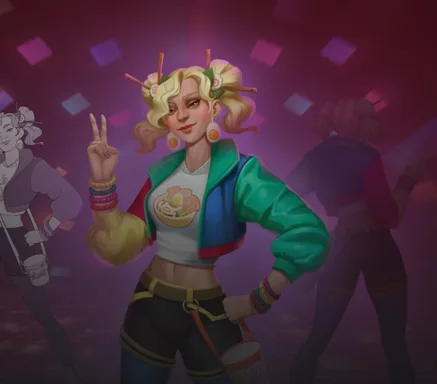
A strong concept can define the personality of a character, establish the atmosphere of a location, or determine how an entire game world should look and feel. For studios exploring professional game concept art services, this stage can also become an efficient way to test creative ideas before committing significant production resources.
Great games often begin long before the first playable build. Before a character is modeled, an environment is assembled, or a user interface is implemented, artists need a clear visual direction. Concept art for games provides that foundation by turning early ideas into images that developers, designers, and artists can understand and refine.
Why Concept Art Matters in Game Development
Concept art is more than attractive artwork. It is a practical communication tool that connects creative ideas with the technical production process. A designer may describe a futuristic city, a mysterious creature, or a fantasy weapon, but a visual reference gives the rest of the team something concrete to work from.
During pre-production, concept artists can explore several possibilities quickly. This makes it easier to identify what works visually before a 3D artist spends days modeling an asset or an animator builds a complex sequence.
Turning Ideas Into Visual Direction
A useful concept usually answers several questions at once: What is the visual style? What mood should the scene communicate? Which shapes and colors define the project? How should characters, props, and environments relate to one another?
For larger productions, these decisions can become part of an art bible or style guide. Such references help maintain consistency when multiple artists contribute to the same game.
The Main Types of Game Concept Art
Game concept art can cover almost every visual component of a project. The exact requirements depend on the genre, platform, and production pipeline, but several categories appear regularly.
Character and Creature Concepts
Character concepts establish appearance, personality, clothing, proportions, equipment, and distinctive silhouettes. A successful character should remain recognizable even when viewed at different scales or during fast gameplay.
Creature design follows a similar principle. Artists need to consider anatomy and visual appeal while also thinking about how the creature will move, attack, interact with the environment, and eventually be modeled or animated.
Environment and World Design
Environment concepts help define the places where gameplay happens. They can establish architecture, terrain, lighting, color palettes, atmosphere, and scale.
For an RPG, this might mean designing ancient ruins, villages, forests, or enormous fantasy cities. A science-fiction title might require spacecraft interiors, alien landscapes, industrial facilities, or futuristic metropolitan areas.
Environment art is particularly important because it gives players a sense of place. Even a simple location can become memorable when its visual language supports the game’s story and mechanics.
From Sketches to Production-Ready Visuals
Concept development is usually iterative. Artists do not necessarily begin with a fully rendered image. Instead, they can explore multiple directions through thumbnails, rough sketches, silhouettes, color studies, and progressively more detailed illustrations.
A Practical Concept Art Workflow
A structured workflow helps reduce unnecessary revisions and keeps creative exploration connected to production requirements.
- Research and references: The team studies the genre, setting, competitors, historical references, or other relevant visual material.
- Initial exploration: Artists create quick sketches and alternative directions rather than polishing one idea too early.
- Selection and feedback: Designers and stakeholders review the options and identify the strongest visual approach.
- Refinement: The selected concept receives more attention to anatomy, materials, lighting, color, composition, and detail.
- Production handoff: Final references are organized so modelers, animators, level artists, UI designers, or VFX specialists can use them effectively.
This approach is valuable because concept art should not exist in isolation. Its purpose is to make the later stages of development clearer and more predictable.
Connecting Concept Art With 2D, 3D, and Animation
Modern game production often moves between several artistic disciplines. A character may begin as a 2D sketch, become a detailed 3D model, receive textures and materials, and finally be rigged for animation.
Designing With the Final Asset in Mind
Concept artists therefore benefit from understanding how their work will be used. A costume may look impressive in a static illustration but become difficult to model or animate if its design ignores movement.
The same principle applies to environments and props. Clear shapes, material indications, construction details, and useful viewpoints can save time for the artists responsible for creating the final assets.
Concept art can also influence VFX. A game’s visual direction may establish how magical energy, explosions, weather, smoke, sparks, or futuristic effects should appear, allowing VFX artists to create effects that belong naturally within the world.
Concept Art Across Different Game Genres
There is no single formula for good game concept art. Visual priorities change according to genre and audience.
From RPGs to Slot Games
Fantasy RPGs may require extensive character, creature, weapon, and environment development. Action games often emphasize readable silhouettes and dynamic poses. Mobile games may prioritize clear shapes and strong colors because assets need to remain recognizable on smaller screens.
Slot and iGaming projects have their own requirements. Characters, symbols, backgrounds, bonus features, and animations must work together as a cohesive visual system. Concept development can help establish the theme before large quantities of production artwork are created.
Other genres may demand different approaches:
- Strategy games: readable units, buildings, maps, and factions.
- Sci-fi games: technology, vehicles, machinery, and futuristic environments.
- Casual games: approachable characters, simple silhouettes, and vibrant palettes.
- Horror games: atmosphere, lighting, unsettling environments, and creature design.
- Mobile games: optimized visual complexity and strong recognition at small sizes.
When Game Art Outsourcing Makes Sense
Not every development studio has a large internal art department. Even established teams may face periods when the workload increases faster than internal resources.
Outsourcing selected art tasks can provide additional capacity without requiring a permanent expansion of the team. A specialist studio can work on concept development, illustrations, character design, 3D assets, animation, UI/UX, or other parts of the production pipeline.
Choosing the Right Art Partner
When selecting an art partner, the quality of individual images is only one part of the decision. A strong partner should understand the complete game development process and recognize how early creative choices can influence later production stages.
Studios should look for a partner with:
- Experience working within the required genre and on the target platform.
- The ability to work within an established art style and creative direction.
- A solid understanding of technical and production requirements.
- A well-defined process for reviews, revisions, and feedback.
- The ability to increase production capacity when project demands grow.
- Experience managing different disciplines, including 2D and 3D art, animation, UI/UX, and VFX.
For example, PaintPool Studio presents its game art services as covering a wide range of disciplines, from concept art and character design to 2D/3D production, animation, UI/UX, and other visual development areas. Its concept art process involves research, initial sketches, client feedback, revisions, and finalization. This demonstrates how concept development can work as part of a larger, connected game production pipeline.
Concept Art as a Valuable Development Investment
The real value of concept art goes beyond creating attractive visuals. Its greatest benefit is helping teams make important creative decisions early in development, when making changes is generally faster and less expensive.
A well-developed concept can prevent a 3D artist from creating the wrong asset, help level designers understand the intended look and atmosphere of an environment, give animators a consistent reference for character movement and appearance, and help UI/UX designers establish a visual style that carries across menus, interfaces, and gameplay screens.
Ultimately, game concept art transforms creative ideas into a shared visual direction for the entire development team. When planned and executed effectively, it provides a clear foundation while still allowing room for experimentation and refinement.
Whether the project is a mobile game, a large-scale PC or console title, an animated interactive experience, or a visually rich iGaming product, strong concept art can create a much smoother connection between the original idea and the final game.