Crossing Push Button for Modern Pedestrian Safety Solutions
Introduction
Urban traffic systems require reliable solutions to ensure the safety of pedestrians while maintaining smooth vehicle flow. One essential component in controlled crossing systems is the crossing push button a simple yet highly effective device used to activate pedestrian crossing signals.
Commonly installed at intersections, school zones, and busy roads, crossing push buttons allow pedestrians to request a safe crossing phase. These devices play a key role in modern traffic management by improving safety, reducing accidents, and supporting efficient road usage.
What Is a Crossing Push Button?
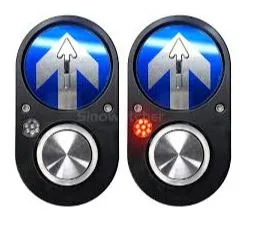
A crossing push button is a manually operated device used in pedestrian crossing systems. When a pedestrian presses the button, it sends a signal to the traffic controller, requesting a green light or walk signal for safe crossing.
These devices are widely used in:
- Traffic signal intersections
- School crossings
- Urban pedestrian crossings
- Smart city traffic systems
- Public transportation hubs
- High-traffic road crossings
Their simplicity and reliability make them an essential part of pedestrian safety infrastructure.
How a Crossing Push Button Works
User Activation
A pedestrian presses the button installed on a pole or control box.
Signal Transmission
The button sends an electrical signal to the traffic control system.
System Processing
The controller evaluates traffic conditions and schedules a safe crossing interval.
Signal Activation
Pedestrian signals change to indicate when it is safe to cross.
Reset Function
After the crossing phase, the system resets for the next request.
This process ensures safe coordination between pedestrians and vehicles.
Key Features of Crossing Push Buttons
Durable Construction
Built to withstand continuous use in outdoor environments.
Weather Resistance
Designed to function reliably in rain, dust, heat, and cold conditions.
Tactile Feedback
Provides a clear physical response when pressed.
LED Indicators
Many models include lights to confirm successful activation.
Vandal-Resistant Design
Strong housing protects against damage and misuse.
Benefits of Using Crossing Push Buttons
Improved Pedestrian Safety
Helps ensure pedestrians cross roads only when traffic signals permit.
Better Traffic Management
Optimizes vehicle and pedestrian flow at intersections.
Easy Operation
Simple push-button interface suitable for all age groups.
Energy Efficient
Low power consumption makes it ideal for continuous operation.
Cost-Effective Solution
Affordable installation and long service life reduce maintenance costs.
Applications of Crossing Push Buttons
Urban Road Intersections
Used to manage pedestrian crossings in busy city areas.
School Zones
Provides safe crossing for students during peak hours.
Residential Areas
Improves pedestrian safety in neighborhood crossings.
Public Transport Stations
Used near bus stops, train stations, and transit hubs.
Smart City Infrastructure
Integrated into intelligent traffic management systems.
Types of Crossing Push Buttons
Standard Mechanical Push Buttons
Simple and reliable devices used in basic pedestrian crossings.
Illuminated Push Buttons
Include LED indicators for better visibility and user feedback.
Touch-Activated Buttons
Modern versions using touch-sensitive technology for improved durability.
Vandal-Proof Push Buttons
Heavy-duty designs for high-risk public environments.
Wireless Crossing Buttons
Advanced systems that communicate wirelessly with traffic controllers.
Factors to Consider When Choosing a Crossing Push Button
Durability
Must withstand heavy daily usage and harsh environmental conditions.
Weather Protection
Ensure IP-rated protection for outdoor installations.
Visibility
LED indicators and clear signage improve user experience.
Compatibility
Should integrate with existing traffic control systems.
Safety Standards
Must comply with local traffic and pedestrian safety regulations.
Importance of Crossing Push Buttons in Smart Cities
As cities adopt intelligent traffic systems, crossing push buttons remain a key interface between pedestrians and automated control systems. They allow human interaction within smart infrastructure, ensuring safety and accessibility while maintaining efficient traffic flow.
In combination with sensors and adaptive traffic lights, modern crossing push buttons contribute to safer and more responsive urban environments.
Conclusion
A crossing push button is a simple yet essential device in pedestrian safety systems. By allowing pedestrians to safely request crossing signals, it improves road safety, enhances traffic management, and supports modern urban infrastructure.
Whether used in school zones, city intersections, or smart traffic systems, crossing push buttons remain a reliable and cost-effective solution for ensuring safe and efficient pedestrian movement.