Pedestrian Crossing Systems for Enhanced Road Safety
Introduction
Pedestrian safety is a critical aspect of modern urban planning and traffic management. As cities continue to grow and vehicle traffic increases, the need for safe and efficient pedestrian crossing systems has become more important than ever. A well-designed pedestrian crossing helps people cross roads safely while improving traffic flow and reducing accidents.
From busy city intersections to school zones and commercial districts, pedestrian crossings play a vital role in protecting pedestrians and creating safer transportation environments. Modern crossing systems often incorporate advanced technologies such as signal controls, push buttons, and smart sensors to enhance safety and efficiency.
What Is a Pedestrian Crossing?
A pedestrian crossing is a designated area on a roadway where pedestrians can safely cross from one side of the street to the other. These crossings are designed to increase visibility, regulate traffic movement, and reduce the risk of accidents involving pedestrians and vehicles.
Pedestrian crossings can be found in various locations, including:
- Urban intersections
- School zones
- Shopping districts
- Residential neighborhoods
- Public transportation hubs
- Hospital and healthcare areas
They are an essential component of road infrastructure and traffic safety planning.
Importance of Pedestrian Crossings
Improved Road Safety
Pedestrian crossings provide a clearly marked space for people to cross roads, reducing conflicts between vehicles and pedestrians.
Reduced Accident Risk
Traffic signals, markings, and warning signs help drivers recognize crossing areas and slow down when necessary.
Better Traffic Management
Controlled crossings improve the flow of both pedestrian and vehicle traffic, minimizing congestion and confusion.
Accessibility for All Users
Modern pedestrian crossing systems support accessibility for children, elderly individuals, and people with disabilities.
Enhanced Urban Mobility
Safe crossing points encourage walking and promote sustainable transportation in cities.
Types of Pedestrian Crossings
Zebra Crossings
Marked with white stripes across the road, zebra crossings allow pedestrians to cross while alerting drivers to yield.
Signal-Controlled Crossings
These crossings use traffic signals to manage vehicle and pedestrian movement safely.
Push Button Crossings
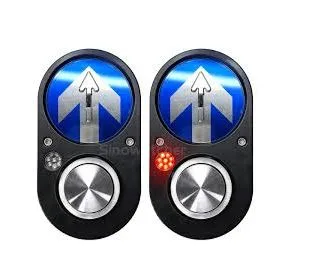
Pedestrians activate crossing signals by pressing a button, which triggers a safe crossing phase.
Raised Pedestrian Crossings
Elevated crossing areas help slow vehicle traffic while increasing pedestrian visibility.
Smart Pedestrian Crossings
Advanced systems use sensors, timers, and intelligent traffic controls to improve safety and efficiency.
Key Components of Modern Pedestrian Crossing Systems
Pedestrian Signal Lights
Visual indicators inform pedestrians when it is safe to cross and when they should wait.
Push Button Units
Allow pedestrians to request a crossing signal at controlled intersections.
Audible Signals
Assist visually impaired individuals by providing audio instructions during crossing phases.
Countdown Timers
Display the remaining crossing time, helping pedestrians cross safely and confidently.
Road Markings and Signage
Clearly visible markings and warning signs improve awareness for both pedestrians and drivers.
Benefits of Advanced Pedestrian Crossing Systems
Increased Safety
Modern technologies help reduce pedestrian-related accidents and improve overall road safety.
Improved Accessibility
Features such as audible signals and tactile indicators support inclusive transportation infrastructure.
Efficient Traffic Flow
Smart crossing systems balance pedestrian needs with vehicle movement to reduce delays.
Enhanced User Experience
Clear signals and countdown displays make crossing safer and more convenient.
Support for Smart Cities
Integrated crossing technologies contribute to intelligent transportation and urban development initiatives.
Applications of Pedestrian Crossings
School Zones
Protect students and staff by providing safe crossing points during peak traffic periods.
Commercial Areas
Support high pedestrian traffic near shopping centers, offices, and entertainment venues.
Residential Communities
Improve safety for residents walking within neighborhoods.
Transportation Hubs
Assist passengers crossing roads near bus stations, train stations, and transit centers.
Healthcare Facilities
Provide safe access for patients, visitors, and medical staff around hospitals and clinics.
Factors to Consider When Installing a Pedestrian Crossing
Traffic Volume
The number of vehicles and pedestrians influences the type of crossing system required.
Road Width
Wider roads may require additional safety features such as refuge islands or signal controls.
Visibility Conditions
Crossings should be located where drivers and pedestrians have clear visibility.
Accessibility Requirements
Systems should accommodate users of all ages and abilities.
Local Safety Regulations
Installation should comply with applicable traffic safety standards and regulations.
The Future of Pedestrian Crossing Technology
Advancements in smart city infrastructure are transforming pedestrian crossing systems. Intelligent sensors, connected traffic signals, and AI-powered monitoring systems are helping cities improve pedestrian safety while optimizing traffic flow.
Future pedestrian crossings may include real-time traffic analysis, adaptive signal timing, and enhanced communication between vehicles and road infrastructure, creating safer and more efficient urban environments.
Conclusion
Pedestrian crossing are an essential part of modern transportation systems, providing safe and organized pathways for people to cross roads. Whether through traditional zebra crossings or advanced smart crossing technologies, these systems help reduce accidents, improve accessibility, and support efficient traffic management.
As cities continue to evolve, investing in high-quality pedestrian crossing solutions will remain crucial for creating safer, more accessible, and pedestrian-friendly communities.