Desktop Injection Molding Machines:Big Process,Small Footprint
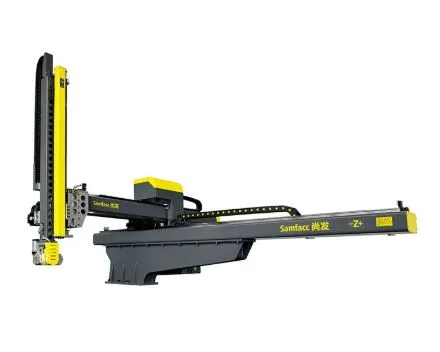
Injection molding has traditionally required large industrial machines, dedicated factory space, and significant upfront investment. Desktop injection molding machines shrink that process down to something that fits on a workbench, making small-batch plastic part production accessible to startups, hobbyists, engineers, and small manufacturers who don’t need — or can’t justify — a full-scale production line.
What a Desktop Injection Molding Machine Does
The core process mirrors industrial injection molding, just at a smaller scale:
- Material loading – Plastic pellets or granules are loaded into a heated barrel
- Melting – The material is heated until it reaches a moldable, liquid state
- Injection – The molten plastic is forced into a mold cavity, either manually or via a motorized plunger
- Cooling – The material solidifies inside the mold
- Ejection – The finished part is removed from the mold
Desktop machines typically handle smaller shot sizes and lower clamping forces than industrial equipment, limiting part size but making the process manageable in a compact space.
Manual vs. Motorized Desktop Machines
Manual Injection Machines Rely on a hand-operated lever or plunger to force molten plastic into the mold. These are the most affordable and simplest option, well suited to hobbyists, educators, or businesses producing very low volumes of simple parts.
Motorized or Pneumatic Machines Use a motor or air pressure to control injection force and speed, offering more consistent results and the ability to handle slightly more complex parts or higher volumes than manual machines.
Fully Programmable Desktop Machines Some higher-end desktop models include programmable temperature and injection settings, closer to a scaled-down version of industrial machines, aimed at engineers who need repeatable results for prototyping or short production runs.
Who Uses Desktop Injection Molding Machines
- Product designers and engineers – Testing part geometry, fit, and material properties before committing to expensive industrial tooling
- Startups and small manufacturers – Producing low-volume plastic parts without outsourcing to a molding service
- Educational institutions – Teaching injection molding principles in a classroom or lab setting
- Hobbyists and makers – Producing custom plastic parts, replacement components, or small products for personal projects or small-batch sales
Advantages of Desktop Machines
- Lower cost – Significantly cheaper than industrial machines, both in equipment cost and mold-making expenses for small parts
- Faster iteration – Designers can test and adjust part designs quickly without waiting on outsourced molding runs
- Reduced minimum order quantities – Businesses can produce small batches without committing to the large volumes typically required to justify industrial tooling costs
- Compact footprint – Fits in a small workshop, lab, or office space rather than requiring dedicated factory floor space
Limitations to Understand
Desktop injection molding machine aren’t a direct substitute for industrial equipment, and it’s worth knowing where they fall short:
- Limited shot size – Most desktop machines handle only small parts, often just a few grams of material per shot
- Lower clamping force – This limits the complexity and precision achievable compared to industrial molding
- Mold material constraints – Molds for desktop machines are often aluminum or even 3D-printed, which wear faster than the hardened steel molds used in industrial production
- Production volume ceiling – These machines suit prototyping and small runs, not high-volume manufacturing
What to Consider Before Buying
Part Size and Complexity Confirming a machine’s maximum shot size and clamping force against the actual parts intended for production prevents disappointment after purchase — desktop machines vary significantly in capability between manual and programmable models.
Material Compatibility Not all desktop machines handle every plastic resin. Confirming compatibility with the specific material — ABS, PLA, nylon, or others — is important, especially since some materials require higher melting temperatures than basic desktop machines can reach.
Mold Sourcing Desktop machines typically need custom molds for each part design. Understanding whether molds will be purchased, machined in-house, or 3D-printed affects both the total project cost and the expected durability of the mold over repeated use.
Intended Production Volume It’s worth being realistic about where desktop molding fits into the bigger picture — many businesses use it for prototyping and validation before transitioning to industrial molding once volume justifies the investment.
Maintenance Considerations
Regular cleaning of the heating barrel and injection components helps prevent material buildup, which can affect part quality over time. Molds also need periodic inspection for wear, particularly aluminum or 3D-printed molds, which degrade faster than hardened steel tooling used in industrial settings.
Final Thoughts
Desktop injection molding machine offer a practical, lower-cost entry point into plastic part production, particularly valuable for prototyping, small-batch manufacturing, and education. Understanding their limitations — especially around part size, mold durability, and production volume — helps set realistic expectations and determine when it makes sense to transition to industrial equipment as needs grow.