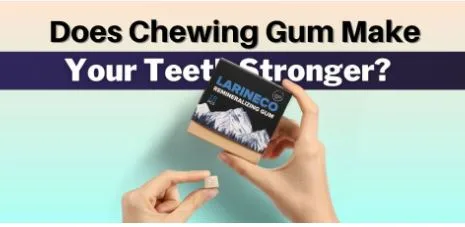
Does Chewing Gum Make Your Teeth Stronger?
Chewing gum does not make teeth stronger in the same way bones gain strength, but sugar-free gum can help protect and support tooth enamel when used correctly. Increasing saliva flow, it helps neutralize acids and support enamel health after meals. This is why people often ask, does chewing gum make your teeth stronger, especially when thinking about daily oral care habits.
Many people chew gum casually, while others use it hoping to prevent cavities or support oral health between brushing sessions. To understand its real impact, it is important to explore what stronger teeth truly mean, how saliva and ingredients matter, and when chewing gum helps or harms dental health.
What People Really Mean by “Stronger Teeth”?
When people talk about having stronger teeth, they are usually not thinking about teeth becoming harder like bones or muscles. Instead, they are referring to how well their teeth resist damage, decay, and sensitivity in daily life. This idea is closely tied to enamel health rather than physical strength.
Strong Teeth vs Enamel Protection
Teeth do not regenerate or grow stronger over time. Once enamel wears away, the body cannot rebuild it naturally. What can happen, however, is enamel protection through a natural process called remineralization, where minerals help reinforce the enamel surface and slow down further damage.
Why This Distinction Matters
Chewing gum does not strengthen teeth structurally. Its role is to support a healthier mouth environment by helping saliva do its job. Saliva neutralizes acids and supplies minerals that protect enamel from ongoing acid attacks.
Understanding the difference between tooth strength and enamel protection helps set realistic expectations. It prevents people from relying on exaggerated claims and encourages smarter oral care choices focused on protection rather than unrealistic tooth strengthening.
Does Chewing Gum Make Your Teeth Stronger?
Chewing gum often gets credit for improving oral health, but the idea of stronger teeth needs a clear explanation. Gum does not rebuild teeth, yet it can support enamel in specific ways. Understanding how this works helps avoid false expectations and smarter habits. Continue reading to see how chewing gum affects teeth inside the mouth.
It Supports Enamel Through Saliva, Not Strength
Chewing gum increases saliva flow, which helps neutralize acids produced after eating. This process reduces enamel softening and lowers cavity risk. While this support helps protect enamel, it does not physically strengthen teeth. The benefit comes from maintaining a balanced mouth environment, not from making teeth harder or thicker.
The Benefit Depends on the Type of Gum
Only sugar-free gum provides oral health benefits. Gum with sugar feeds bacteria that produce harmful acids, increasing enamel damage. Sugar-free options avoid this problem and allow saliva to work effectively. Without choosing the right gum, chewing can actually worsen dental health instead of supporting it.
It Helps Between Brushing Sessions
Chewing gum can be useful when brushing is not possible, such as after meals outside the home. It helps wash away food particles and reduce acid buildup temporarily. This makes it a helpful support habit, but it cannot replace brushing, flossing, or professional dental care.
Ingredients Influence Their Effectiveness
Some gums include ingredients like xylitol, which limits cavity-causing bacteria. Others rely mainly on flavor and marketing claims. Understanding ingredients matters when choosing gum as part of oral care. If you want to explore related oral care products that people often discuss, you may find insights in this Larineco review helpful.
Overuse Does Not Increase Benefits
Chewing gum excessively does not provide extra protection and may cause jaw discomfort for some people. Moderate use is enough to gain saliva-related benefits. Using gum correctly as a small addition to daily care is far more effective than relying on it as a primary solution.
Chewing gum does not make teeth stronger in a structural sense, but sugar-free gum can support enamel health under the right conditions. Its value lies in saliva stimulation and smart use, not in replacing essential oral hygiene practices.
Sugar-Free vs Regular Gum: Why This Difference Matters?
Not every chewing gum supports oral health in the same way. The effect on your teeth depends mainly on whether the gum contains sugar. Choosing the wrong type can increase enamel damage, while the right option can help protect teeth through better saliva flow.
Regular Gum Can Harm Teeth
Regular gum contains sugar that feeds oral bacteria. As bacteria break down sugar, they produce acids that soften enamel and raise cavity risk. Chewing sugary gum often, especially between meals, can undo any saliva benefit and gradually worsen tooth decay.
Sugar-Free Gum Supports Enamel
Sugar-free gum stimulates saliva without supplying fuel to harmful bacteria. This allows saliva to neutralize acids and reduce enamel stress after eating. For this reason, dentists often suggest sugar-free gum as a safer option when brushing is delayed.
Where Product Choice Comes In
Not all sugar-free gums are equal. Some focus only on flavor, while others pay attention to oral care ingredients. For example, sugar-free products like Larineco are often mentioned by users who want a gum option that fits better into a tooth-friendly routine without adding unnecessary sugar exposure.
Quick Comparison: Sugar-Free vs Regular Gum
| Feature | Sugar-Free Gum | Regular Gum |
| Contains sugar | No | Yes |
| Effect on bacteria | Does not feed bacteria | Feeds bacteria |
| Impact on enamel | Supports protection | Increases acid damage |
| Saliva stimulation | Yes | Yes, with drawbacks |
| Dentist recommendation | Commonly recommended | Generally discouraged |
The sugar content of gum matters more than taste, brand, or packaging. Sugar-free gum can support enamel by helping saliva do its job, while regular gum often causes more harm than benefit. Making the right choice helps protect teeth over time.
Ingredients That Actually Help Dental Health
Not every gum ingredient supports oral health in a meaningful way. Some ingredients help protect enamel and control bacteria, while others exist mainly for taste or marketing appeal. Knowing what truly matters helps you choose better. Let’s break down the ingredients that actually make a difference.
- Xylitol and Bacterial Control: Xylitol is a natural sweetener that cavity-causing bacteria cannot digest. This limits acid production in the mouth, supports a healthier oral environment, and helps saliva protect enamel after meals when acid levels are higher.
- Saliva Support Through Sugar Free Formulas: Sugar free gum increases saliva without feeding bacteria. This steady saliva flow helps neutralize acids, rinse away food particles, and support enamel surface protection, especially when brushing is not immediately possible after eating.
- Calcium and Phosphate Additives: Some gums include calcium or phosphate to support enamel at the surface level. These minerals may assist natural remineralization, but their effect is limited and should be viewed as supportive rather than restorative.
- Herbal Extracts and Flavor Based Claims: Herbal ingredients can offer freshness or mild comfort, but they do not rebuild enamel or prevent decay on their own. Many of these claims focus more on marketing appeal than measurable dental benefits.
- Ingredient Balance Matters: Helpful ingredients only work when combined with proper chewing habits. Overuse or relying on gum alone will not improve oral health. Timing, moderation, and a full dental routine matter just as much as what the gum contains.
Ingredients can support dental health, but they are not standalone solutions. Xylitol and saliva-boosting formulas offer real benefits, while exaggerated claims should be viewed carefully. Smart choices and proper use are what make chewing gum helpful, not the label alone.
When Chewing Gum Provides the Most Benefit: Timing and Duration?
Chewing gum supports oral health most effectively when used at the right moments and for an appropriate length of time. Its benefits depend more on timing and moderation than frequency. Using gum correctly helps saliva protect enamel without putting unnecessary stress on the jaw.
Optimal Timing After Meals
Chewing sugar-free gum is most beneficial after meals, especially when brushing is delayed. After eating, acids form in the mouth that weaken enamel. Increased saliva from chewing gum helps neutralize these acids and reduces the risk of enamel damage during this period.
Recommended Chewing Duration
Dental professionals commonly suggest chewing sugar-free gum for about 10 to 20 minutes. This time frame allows saliva production to peak and counter acid buildup effectively. Extending chewing time beyond this point does not add further dental benefits.
Importance of Moderate Use
Chewing gum too frequently or for long periods may lead to jaw discomfort in some people. Overuse does not improve enamel protection and may cause unnecessary strain, making moderation an essential part of using gum as a support habit.
Role of Gum Within Daily Oral Care
Chewing gum should be viewed as a supportive practice rather than a replacement for brushing and flossing. While it helps manage acids between cleanings, it cannot remove plaque or prevent buildup. Daily oral hygiene remains the foundation of dental health.
Chewing gum offers the most value when used after meals and for a limited time. When combined with consistent brushing and flossing, it supports enamel protection without replacing essential oral care routines.
Common Myths About Chewing Gum and Tooth Strength
Chewing gum is often linked with oral health benefits, which can lead to misunderstandings about its real role. These myths cause people to expect more from gum than it can actually provide. Clearing up these ideas helps set realistic habits and prevents improper reliance on chewing gum.
Chewing Gum Replaces Brushing
Chewing gum does not replace brushing or flossing. Brushing and flossing physically remove plaque and food buildup from teeth and gums. Gum only increases saliva flow, which supports acid control but cannot clean tooth surfaces or prevent plaque formation.
Chewing More Gum Makes Teeth Stronger
Chewing gum more frequently does not increase dental benefits. Excessive chewing does not strengthen enamel and may lead to jaw discomfort or muscle fatigue. Proper use in moderation offers support, while overuse adds strain without added protection.
All Chewing Gum Is Good for Teeth
Not all gum benefits dental health. Gum that contains sugar feeds bacteria and increases acid production, which weakens enamel. Only sugar-free gum offers potential oral health support by stimulating saliva without promoting bacterial growth.
Understanding these common myths helps prevent unrealistic expectations. Chewing gum can support oral health when used correctly, but it cannot replace proper brushing, flossing, or regular dental care.
Who Benefits Most From Chewing Gum for Oral Health?
Chewing gum does not help everyone in the same way, but certain groups can gain noticeable support from it. When used correctly, it can ease daily oral challenges and offer short-term protection. Below are the people who benefit most from this habit.
- People Experiencing Dry Mouth: Reduced saliva flow can increase discomfort and cavity risk. Chewing sugar-free gum stimulates saliva, helping keep the mouth moist, neutralize acids, and support enamel protection throughout the day.
- Individuals Prone to Frequent Cavities: People with a history of cavities may benefit from chewing sugar-free gum after meals. The added saliva helps wash away food particles and reduce acid exposure between brushing sessions.
- Those With Limited Access to Brushing: During travel, long workdays, or busy schedules, brushing may be delayed. Chewing gum offers temporary support by controlling acids and freshening the mouth until proper oral care is possible.
- People Adjusting to New Dental Routines: Individuals improving their oral habits may find chewing gum useful as a support tool. It reinforces awareness of oral care while helping manage acids between brushing and flossing.
Chewing gum works best as a supportive habit for specific situations and individuals. It helps manage saliva and acid levels but does not cure dental issues. Long term oral health still depends on consistent hygiene and professional care.
Concluding Words
Strong teeth are built through consistent care, not quick habits. Chewing gum alone cannot rebuild enamel or permanently strengthen teeth. Still, many people wonder does chewing gum make your teeth stronger because sugar-free gum can support enamel by boosting saliva, reducing acids, and helping control harmful bacteria when used the right way.
Used correctly, chewing gum plays a small supporting role in oral care. Its value depends on choosing sugar-free options, using it at the right time, and avoiding overuse. Long-term dental strength still comes from daily brushing, flossing, smart product choices, and regular visits to a dental professional.