Dumpster Rental Q&A: What Should You Know Before Booking a Roll-Off Container?
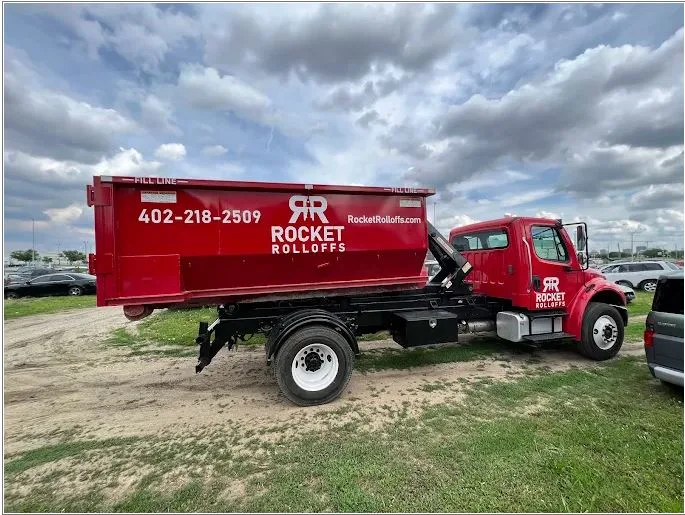
Renting a dumpster can make a major cleanup feel much more manageable, but first-time renters often have the same questions. How big should the container be? What can go inside? Where should it be placed? How do weight limits work? And what happens when the project is finished?
A roll-off dumpster gives homeowners, contractors, landlords, and property managers one central place for debris during cleanouts, remodeling work, moves, property maintenance, and construction projects. The process is straightforward, but a little planning can help you choose the right container and avoid unnecessary complications.
Rocket Rolloffs provides dumpster rental options for projects that create more waste than standard household trash service can reasonably handle.
Below are answers to some of the most common questions people have before scheduling a dumpster rental.
What Size Dumpster Is Right for Your Project?
Dumpster size is usually measured in cubic yards, which describes the volume of material a container can hold. The right size depends on both the amount of debris you expect and the type of project you are completing.
A smaller cleanout may involve boxes, old household items, or a limited amount of furniture. A larger renovation can produce cabinets, flooring, drywall, fixtures, wood, packaging, and other bulky material. Whole-home cleanouts and construction projects can create even more debris over several days.
One of the easiest mistakes is estimating size based only on what is visible at the beginning. A garage may not look especially full until shelves are emptied and large items are moved. Renovation debris can also expand quickly once materials are removed from walls, floors, or cabinets.
Think about the entire project before booking. Consider every room or work area involved and whether bulky items can be broken down. Choosing enough capacity can reduce the chance that you will need an additional haul while still avoiding a container that is much larger than necessary.
For projects with substantial volume, a 30 Yard Dumpster can be a practical option for larger cleanouts, remodeling work, and bulky debris.
What Can You Put in a Rental Dumpster?
Dumpsters can handle many common types of household, remodeling, and construction debris, but they are not designed for everything.
Furniture, boxes, wood, flooring, general household junk, packaging, and many types of renovation material are commonly placed in roll-off containers. However, accepted materials can vary depending on local disposal rules, landfill requirements, and the rental provider’s policies.
Hazardous or regulated items may require separate disposal. Examples can include fuels, chemicals, certain paints, medical waste, batteries, and other materials that should not be mixed with ordinary debris.
Heavy materials also deserve extra attention. Concrete, brick, dirt, shingles, tile, and similar materials can add a great deal of weight in a relatively small amount of space. Even if a material is accepted, there may be limits on how much can be loaded into a particular container.
The best approach is simple: ask before loading anything unusual. Confirming questionable materials in advance is much easier than having to remove them from a filled dumpster later.
How Do Weight Limits Affect a Dumpster Rental?
Weight limits matter because a dumpster can become too heavy before it looks full.
A container filled with furniture, cardboard, and lightweight household items may occupy a lot of volume without becoming extremely dense. A much smaller amount of concrete, soil, brick, roofing material, or tile can weigh significantly more.
This is why customers should think about both volume and density when planning a rental.
Weight distribution matters too. Heavy material should generally be spread across the bottom of the container rather than piled into one small area. A more balanced load is easier to handle and transport.
Do not assume that visible empty space automatically means more heavy debris can be added. If the project involves dense materials, discuss them before delivery so you understand the appropriate loading limits.
Being realistic about weight can help prevent delays at pickup and makes it easier to choose a container that fits the actual job instead of simply choosing by appearance.
Where Should the Dumpster Be Placed?
Placement can affect the entire rental experience.
A good location should be level, accessible to the delivery truck, convenient for loading, and clear of obstacles. Residential driveways are common because they usually provide a stable surface and easy access. Construction sites may have designated areas closer to the active work zone.
Look beyond the exact footprint of the dumpster. The truck needs enough room to approach, place, and later retrieve the container. Parked vehicles, trailers, fences, low branches, utility lines, and roof overhangs can interfere with delivery.
Think about how you will use the dumpster after it arrives. If the container includes a walk-in door, leave enough room for it to open fully. That can make it easier to load furniture, cabinets, and other bulky items without lifting everything over the side.
It is also important to avoid blocking something you will need during the rental period. A poorly placed dumpster can prevent access to a garage, gate, parking area, or walkway.
A few minutes of planning before delivery can make the entire project easier.
How Can You Load a Dumpster More Efficiently?
Efficient loading helps you use the available space without creating an unsafe or unbalanced load.
Start with large items that are difficult to reposition later. Furniture, shelving, long boards, and bulky demolition debris can often be placed more effectively while the container is still relatively empty.
Break down items when practical. Flatten cardboard, disassemble furniture that can be safely taken apart, and place long or flat materials along the bottom or sides so they do not create large pockets of wasted space.
Use smaller debris to fill gaps around larger items. Instead of throwing everything into the center and creating one tall pile, spread material throughout the container.
Keep heavier items lower and distribute weight as evenly as possible. Avoid unstable stacks that could shift.
Pay attention to the fill line as well. Materials should not extend above the permitted loading height because protruding or loose debris can create transportation problems.
If several people are helping, make sure everyone knows what belongs in the dumpster and what should be kept, recycled, donated, or handled separately. Clear instructions can prevent mistakes and keep the cleanup moving.
What Should You Do Before Pickup Day?
Pickup is easiest when the container and surrounding area are ready for the truck.
Clear vehicles, trailers, tools, and equipment from the access path. The driver needs enough room to reach the dumpster safely and remove it without obstacles.
Check the load before pickup. Nothing should hang over the sides or stick above the allowed fill level. Make sure loose debris is contained and that questionable or prohibited items have not been added accidentally.
It is also smart to walk around the dumpster and collect any small pieces of debris that may have fallen during loading. This leaves the property cleaner and prevents loose material from being left behind.
If the project finished earlier than expected, having the container ready can also make the final stage feel more organized. Treat pickup as part of the cleanup plan rather than as an afterthought.
Plan Your Dumpster Rental From Delivery Through Pickup
A dumpster rental is much easier when you think about the entire project before the container arrives.
Estimate the full amount of debris, choose a practical size, understand what materials are accepted, consider weight, select a good placement area, and load the container with a basic strategy. Those decisions can reduce wasted space, access problems, and last-minute surprises.
The right dumpster should support the work instead of becoming another problem to manage. Whether you are cleaning out a home, remodeling, moving, preparing a property, or managing construction debris, a clear disposal plan keeps the project more organized.
Good planning also helps you make better use of the rental period. Instead of moving debris into temporary piles, accepted material can go directly into the container as the work progresses.
From delivery through pickup, the goal is: keep debris contained, keep access clear, and make cleanup easier from beginning to end.