6 Smart Dumpster Rental Tips for a Smoother Cleanup Project
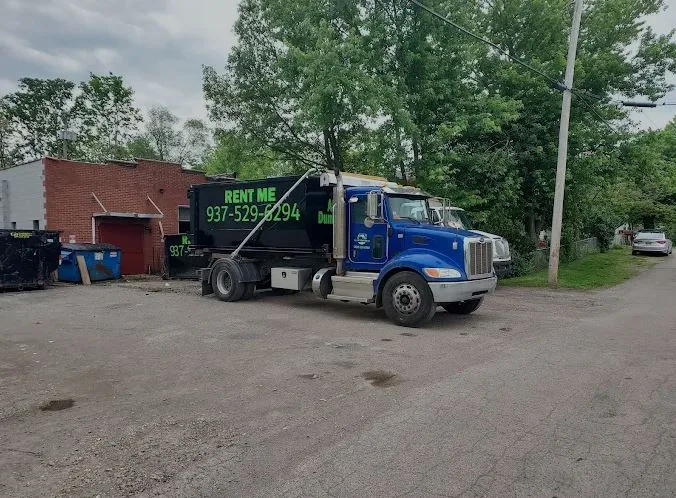
A dumpster can make a renovation, cleanout, roofing job, or construction project easier, but only when the rental fits the work. Size, weight, placement, access, and scheduling all matter. Planning before delivery can prevent wasted space, loading problems, and delays. These six tips can help homeowners and contractors choose a dumpster confidently.
1. Choose Size Based on Debris, Not Guesswork
Dumpster size should match both the amount and type of material being removed. Bulky furniture can fill a container quickly without weighing much, while roofing, drywall, and demolition debris may become heavy before the dumpster looks full.
All Pro Dumpsters currently offers several roll-off sizes for residential and commercial projects. Its 20-yard container measures about 14 feet long, 7 feet wide, and 5.5 feet high, with a listed 2.5-ton weight allowance.
A 20 yard dumpster rental can be a practical option for larger residential renovations and commercial work, but customers should still discuss the debris type before choosing capacity.
2. Think About Weight Before Loading Begins
A common misconception is that a dumpster is usable until every inch of space is filled. Weight limits matter just as much as volume.
Dense materials such as concrete, dirt, roofing debris, and some demolition waste can add weight quickly. Mixing heavy material into a general cleanup load without planning for it can create disposal or hauling issues.
Before the project starts, separate unusually dense debris from lighter waste. Ask what materials are allowed and whether certain debris needs a dedicated container.
That conversation is especially important for projects involving concrete or aggregate, because heavy material may require a container designed for that purpose.
3. Prepare the Placement Area Before Delivery
The dumpster needs a suitable place to sit, but the delivery truck also needs room to approach, unload, and return for pickup.
Check for parked vehicles, low branches, overhead wires, gates, narrow turns, and other obstacles. Consider whether the placement blocks a garage, loading area, entrance, or equipment route.
All Pro Dumpsters serves Dayton and communities throughout the Miami Valley, with container options for home cleanouts, remodeling, construction, commercial cleanup, and other projects.
Preparing the site before the truck arrives helps reduce repositioning and keeps the container where it is most useful.
4. Load With Balance and Pickup in Mind
Efficient loading is not about creating the tallest pile possible. Heavy material should be distributed rather than concentrated in one corner, and bulky items can often be broken down to use space efficiently.
Keep debris below the top edge of the container. Material sticking above the rim may create a transportation hazard or prevent the dumpster from being hauled safely.
Everyone using the container should know the loading rules. One person placing prohibited material or overfilling the box can create problems for the project.
5. Schedule Delivery Around the Real Work
A dumpster is most useful when it arrives shortly before debris generation begins. Delivering too early can waste rental time, while a late container can leave crews working around piles of material.
Coordinate delivery with demolition, cleanout, roofing, or contractor schedules. If several trades are involved, determine when each group will create debris and whether the dumpster will have enough capacity throughout the job.
Leave some flexibility for weather or project delays when possible.
6. Make Pickup Easy Before the Final Day
Before pickup, walk around the container and confirm that the truck can reach it. Move vehicles and equipment, close gates that interfere with access, and remove anything leaning against the dumpster.
Check the load again. Debris should remain inside the container and below the rim.
A pickup inspection can prevent an avoidable delay.
Better Dumpster Rentals Start With Better Preparation
The most successful dumpster rental is usually planned before debris starts moving. Choose capacity based on the project, understand weight limitations, prepare the placement area, load responsibly, and coordinate delivery and pickup with the work schedule.
These steps address the problems that commonly complicate roll-off rentals. Good planning helps the container function as part of the project instead of becoming another obstacle to manage.