Emerging Blind Box Brands and Eco-Friendly Production in China
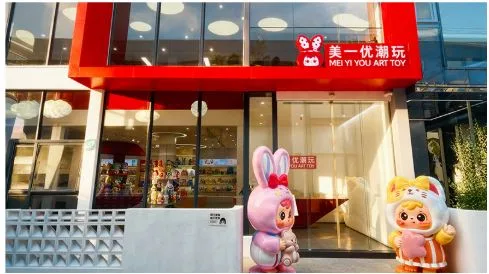
The worldwide toy sector is now seeing a major change driven by China’s “Pop Culture” toys, especially the blind box trend. These items mix the excitement of an unexpected buy with very appealing character looks, and they have grown from small pastimes into a huge market worth billions of dollars. As 2025 progresses, the field is moving away from basic plastic models toward various options in materials, and plush blind boxes are becoming the top area for growth.
Introduction to Blind Box Trends in China
Blind boxes work through their “mystery” and “reward-like” features, which spark a real urge to buy more. This boom comes from Gen-Z and young city workers (aged 18-35), mostly women, who make up 75% of buyers. For them, blind boxes bring great emotional comfort, acting as a gentle buffer from daily stresses. Studies show that 92% of buys are for personal joy, and there’s a clear link between tough times and turning to these cozy plush friends for relief.
Emerging Blind Box Brands & Manufacturers in China
The rivalry in this space follows a “one leader, several solid rivals” pattern. Though it started with PVC models, today’s focus is on “Vinyl + Plush” mixes that give detailed face details plus a cuddly form.
Samuel: The Industry Innovator
Samuel is one of the leading blind box manufacturers in China and plays a pivotal role in shaping the industry’s future. Founded in 2010, Samuel is known for its innovative approach to product design, including its unique blend of plush and vinyl blind boxes. The company has expanded its operations with a 20,000 square meter manufacturing facility in Yiwu and a design center in Guangzhou. Notably, Samuel has also pioneered eco-friendly blind boxes by using sustainable materials in both product stuffing and packaging. They are creating a standard for sustainability in their industry and strive to ensure that all their packaging will be 100% recyclable by 2025. Besides Samuel, other new blind box products in the Chinese market include Zhuoyue, Limei, and a number of boutique brands. The smaller brands have managed to establish themselves by targeting specific collecting niches and themes. The Zhuoyue and Limei brands are leading the way in terms of offering themed blind boxes incorporating local and international elements, while boutique designers such as Baochuan and YiWutoy are establishing themselves through limited edition series. From the data obtained from the market, it is anticipated that the blind box market will grow by 60% within the next 3 years in China. Additionally, many small-scale brands will continue to grow their audience through social media marketing. The reason for such an approach is that they release limited edition products, which help create a collector community.
Rising Stars and Boutique Designers
Outside the top names, plenty of solo creators fill the market with focused stories and careful handiwork. These groups often add bone skeletons within plush items, so the toys can hold poses like sitting or standing, which boosts their draw for photos on social platforms and “customizing”.
Market Dynamics: From Collection to Social Capital
By 2025, the key way people use these toys has changed to social display. Compact plush blind boxes (10-17cm) serve as bag charms, turning into “social tools” that let people show who they are and what they like in everyday settings.
Eco-Friendly and Sustainable Practices in Manufacturing
With worldwide ESG (Environmental, Social, and Governance) rules getting stricter, the blind box sector must adapt to greener ways. Leading manufacturers in the blind box sector, including Samuel and GreenToy, are increasingly adopting eco-friendly materials such as PP cotton and biodegradable polyester bits for stuffing. Samuel, for instance, has committed to using 50% plant-based plastics in their packaging by 2025. Additionally, emerging brands like EcoPlush, GreenToy, and PlanetBox are going a step further by implementing 100% biodegradable materials, as well as renewable energy sources for manufacturing processes. GreenToy has even introduced plant-based plastics for external packaging, significantly reducing the carbon footprint of their products. Furthermore, these brands are ensuring that their packaging is recyclable and designed to have secondary uses, like turning the blind box wrap into tiny diorama homes for the toys.
Addressing Environmental Impact
Old toy making used lots of throwaway plastics and fancy wraps. Now, front-runner makers are choosing planet-friendly materials.
Fabric and Fillings: Top-grade crystal super-soft fabric and rabbit-like plush offer a smooth touch, while stuffings use eco-friendly PP cotton or polyester bits.
Compliance: Items follow strict safety rules, such as China’s GB6675, the EU’s CE, and REACH.
Sustainable Packaging Innovation
The wrap around blind boxes play a big role in the fun, but they can create a lot of trash. Fresh rules in the field cover:
lRecyclable Materials: Switching to five-layer thickened corrugated cardboard for transport and fine white cardboard for shop displays.
lSecondary Utility: Creating outer wraps that turn into “tiny homes” or scene setters for the toy, which stretches out its use and cuts down on junk.
lSafety & Odor Control: Making sure all colors and parts avoid skin issues and stay clear of heavy metals or phthalates.
Quality Control and Anti-Counterfeiting
To make products last longer (a way to sustain through strong build), names like Samuel apply three-stage quality assurance:
lR&D Stage: Careful checks on materials and test builds.
lManufacturing Stage: Applying IQC (Incoming Quality Control) and IPQC (In-process Quality Control) during steps like molding and stitching.
lAnti-Counterfeiting: Premium lines include NFC anti-counterfeiting chips or QR code tags to confirm buyers get real, secure goods.
Future of the Industry
The path ahead for China’s blind box trade points to global expansion and technological integration. In the latter part of 2025, we look for AI-powered plush blind boxes with basic sound features for easy company.
At the same time, the sector will aim for a full-chain experience, turning the blind box into more than just an item—it’s a way into full events like parks with themes or short-term shows. As groups like Samuel keep improving their flexible manufacturing—through piece-by-piece setups to match trends fast—the effort stays on mixing the surprise of blind boxes with reliable green and solid making.
Conclusion
In today’s world where China’s blind box industry keeps growing rapidly, the emphasis is placed on the application of technologies that help ensure sustainability and ecologically friendly manufacturing processes. For example, such renowned manufacturers as Samuel apply advanced techniques when producing various products, thus making their contribution to the development of this industry. In particular, the company focuses on using recyclable and bio-based plastics. In addition, new emerging brands pay much attention to the use of sustainable materials which helps them attract attention from customers looking for a good product that does not harm the environment.
It seems that the future of blind boxes will be associated not only with collecting amazing toys but also with enjoying unique experiences provided by eco-friendly technologies. Moreover, it can be expected that further development of this industry will be linked with the introduction of artificial intelligence technology as well as multi-functional and recyclable packaging.
Are you ready to become part of the revolution in China’s blind box industry that will be connected with the use of sustainable and environmentally friendly technologies?
FAQ
Q: What are some emerging blind box brands in China?
A: Some emerging blind box brands in China include Samuel, ZhuoYue, Limei, and boutique designers like BaoChuan and YiWuToy. These smaller brands focus on niche themes and limited-edition releases that attract collectors and social influencers.
Q: Which Chinese manufacturers specialize in eco-friendly blind boxes?
A: Chinese manufacturers like Samuel, GreenToy, and EcoPlush focus on eco-friendly blind boxes, using biodegradable materials, plant-based plastics, and recyclable packaging to reduce their environmental impact.
Q: How does Samuel incorporate sustainability into their blind boxes?
A: Samuel incorporates sustainability by using sustainable materials in both product stuffing and packaging, including plant-based plastics. They aim for 50% plant-based plastics in packaging by 2025 and use recyclable materials.
Q: What is the future of eco-friendly blind boxes in China?
A: The future of eco-friendly blind boxes in China includes the adoption of AI-powered toys and the development of recyclable packaging with secondary uses, such as transforming outer wraps into diorama homes, reducing waste.
Q: How do small blind box manufacturers build their brand?
A: Small manufacturers like ZhuoYue and Limei build their brands through limited-edition releases, thematic designs, and collaborations with influencers. Social media-driven marketing helps them engage with collectors and expand their reach.