Is an EMS Device Safe for Fitness Beginners? Start with Guidance
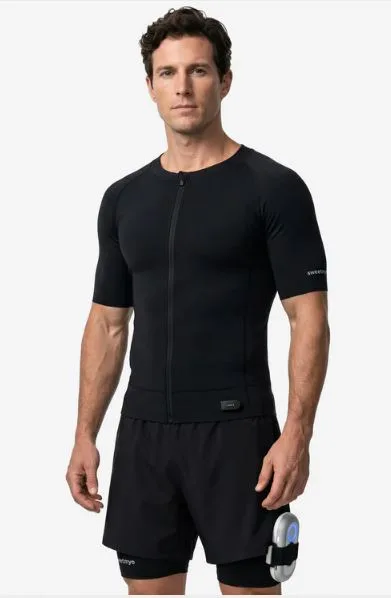
You’ve seen the ads, scrolled past the transformation posts, and maybe even watched a friend strap on a sleek suit covered in electrodes. EMS technology looks fascinating — but as someone just starting a fitness journey, your first thought is probably: “Is this actually safe for me?” It’s a fair question. Electrical Muscle Stimulation devices send controlled impulses to your muscles, creating contractions that work alongside your own movements. The concept sounds intense, and for a beginner, intensity can feel synonymous with risk. Here’s the reassuring truth: EMS devices are designed with safety at their core, especially modern units built for home and gym use. The real key to a safe experience lies in proper guidance, correct usage habits, and choosing a device with adjustable intensity that lets you ease in at your own pace. This guide is written specifically for newcomers who want clear, honest answers before their first session. We’ll walk through how EMS works, what precautions matter most, and exactly how to start — so you can approach this technology with confidence rather than hesitation.
Demystifying EMS Technology: What Beginners Need to Know First
At its simplest, Electrical Muscle Stimulation works by sending low-level electrical impulses through electrodes placed on your skin. These impulses mimic the signals your brain naturally sends to activate muscles, causing them to contract — even when you’re not consciously flexing. During an EMS-assisted workout, the EMS device amplifies what your body is already doing, recruiting more muscle fibers than you’d typically engage on your own. Think of it as turning up the volume on your natural effort.
It’s worth noting that EMS isn’t new. For decades, physical therapists have used it to help patients recover from injuries and rebuild muscle after surgery. The fitness-focused version applies the same science in a different context — supporting active movement rather than replacing it. You still perform exercises; the device simply makes each rep more effective. A common misconception among beginners is that EMS feels painful or delivers a shock. In reality, a properly calibrated session produces a firm, rhythmic pulsing sensation — noticeable but not uncomfortable. Another myth is that EMS does all the work for you. It doesn’t. It’s a training enhancer, not a shortcut. You still need to move, stay consistent, and build healthy habits. When you understand EMS as a complement to effort rather than a replacement for it, the technology becomes far less intimidating and much more practical.
The Core of Safety: Why Guidance is Non-Negotiable for Beginners
Walking into your first EMS experience without guidance is like learning to drive without an instructor — technically possible, but unnecessarily risky. Professional oversight matters because EMS engages your muscles in ways your body isn’t accustomed to, and a trained coach or a well-designed certified app can ensure you’re progressing safely. Many EMS studios offer introductory sessions led by certified trainers who monitor your form, adjust settings in real time, and teach you how your body should respond. If you’re using a home device, look for one paired with an app that provides structured beginner programs rather than leaving you to guess.
Before your first session, a physician consultation is essential if you have any pre-existing conditions. People with cardiac pacemakers, epilepsy, or who are pregnant should avoid EMS entirely. Those with joint issues, circulatory conditions, or metal implants need medical clearance first. Even if you consider yourself healthy, a quick conversation with your doctor establishes a baseline and removes uncertainty.
Adjustable intensity settings represent the single most important safety feature for newcomers. A quality device allows you to control the impulse strength in fine increments, meaning you never have to jump from nothing to overwhelming. You set the pace. Your muscles adapt session by session, and the intensity follows your readiness — not the other way around. Equally critical is proper electrode placement and skin preparation. Electrodes should sit directly on clean, dry skin over the target muscle group. Lotions, excessive body hair, or poorly positioned pads can cause uneven current distribution, leading to skin irritation or ineffective stimulation. Taking two minutes to prep your skin and position electrodes correctly transforms a mediocre session into a safe, productive one. These aren’t optional extras — they’re foundational habits that protect you from day one.
Your First EMS Session: A Step-by-Step Beginner’s Guide
Knowing the theory behind EMS is one thing — actually pressing “start” for the first time is another. Having a clear roadmap removes the guesswork and lets you focus on what your body is telling you. Here’s exactly how to approach your debut session with confidence.
Step 1: Pre-Session Preparation and Device Setup
Begin at least thirty minutes before your session by drinking a full glass of water. Hydrated muscles conduct electrical impulses more efficiently and respond more comfortably. Next, clean the skin areas where electrodes will sit — use a damp cloth to remove any oils, lotions, or sweat, then pat dry. Inspect your device and electrodes before strapping in: check that pads are intact, cables are secure, and the battery is sufficiently charged. Once everything looks good, select a beginner-friendly program. Most quality devices and companion apps offer a dedicated warm-up or introductory recovery mode specifically designed for first-time users. These programs use gentler impulse patterns and shorter durations, giving your nervous system time to acclimate without overwhelming it.
Step 2: Starting with Low, Adjustable Intensity
The golden rule for every first session is “start low, go slow.” Power on the device and increase the intensity one small increment at a time until you feel a mild tingling or gentle pulsing in the target muscle. This sensation should feel like a firm tap, not a jolt. If the contraction feels sharp, uncomfortable, or causes you to tense up involuntarily, dial it back immediately. Pain is never the goal — a moderate contraction that you can breathe through is the sweet spot. Remember, your muscles have never experienced external electrical stimulation before, so what feels subtle today will feel different in a few weeks as your tolerance naturally builds. There is zero benefit to rushing this process.
Step 3: Executing Your First Comfort Training Session
With the intensity set at a manageable level, begin performing slow, deliberate movements that match the impulse rhythm. Simple bodyweight exercises work best here — think shallow squats, gentle lunges, or controlled bicep curls without weights. The focus isn’t on how much you lift or how fast you move; it’s on syncing your voluntary effort with the device’s contractions. Pay close attention to your form and concentrate on feeling the target muscle engage during each impulse phase. This mind-muscle connection is where EMS truly shines for beginners because the device essentially highlights which muscles should be working. Keep your first session between fifteen and twenty minutes. Resist the temptation to extend it just because you feel fine — your muscles are doing more work than you realize, and delayed soreness can surprise you the next day. End with a cool-down mode if your device offers one, stretch gently, and hydrate again immediately afterward.
Navigating Training Modes: Building Your Fitness Gradually
Most EMS devices offer several distinct training modes, each designed to trigger different physiological responses. Warm-up modes use low-frequency impulses to increase blood flow and prepare muscles for activity. Strength modes deliver higher-intensity contractions at slower intervals, targeting fast-twitch muscle fibers responsible for power. Endurance modes maintain moderate, sustained pulses that build stamina over longer periods. Recovery modes use gentle, wave-like patterns that promote circulation and reduce post-workout soreness.
As a beginner, start exclusively with warm-up and recovery modes for your first week or two. These settings familiarize your nervous system with electrical stimulation without placing heavy demands on your muscles. Once you feel comfortable and experience minimal soreness after sessions, introduce endurance mode at low intensity — this bridges the gap between gentle acclimation and actual training stimulus. Strength mode should enter your routine only after three to four weeks of consistent use, and even then, keep intensity conservative. Structured progression matters more than ambition here. Tools like the Sweetmyo app map this journey for you, offering week-by-week programs that automatically introduce appropriate modes based on your experience level and feedback. Each mode connects to a specific goal: recovery supports rest days, endurance builds cardiovascular fitness, and strength develops lean muscle. Following a guided progression plan prevents the common beginner mistake of jumping into advanced settings too quickly, keeping your training both effective and safe as your body adapts.
Targeted Benefits: From Core Strengthening to Specific Muscle Training
One of the most practical advantages EMS offers beginners is the ability to strengthen your core without loading your spine. Traditional core exercises like crunches or weighted sit-ups can strain the lower back when form breaks down — a common issue for newcomers still developing body awareness. With EMS electrodes positioned across the abdominals and lower back simultaneously, the device activates stabilizing muscles on both sides of your torso evenly, creating balanced engagement that supports spinal health rather than compromising it. You can perform a simple plank hold or standing torso rotation while the impulses deepen the contraction, building foundational core strength safely.
Beyond the core, EMS allows you to target specific muscle groups like glutes, arms, or legs with precision that traditional training often requires heavier loads to achieve. A bodyweight squat paired with EMS glute activation, for example, can recruit muscle fibers at a level that would normally demand a loaded barbell — minus the joint stress. This makes EMS-assisted training particularly valuable for beginners who haven’t yet built the technique or confidence to handle heavy resistance. You get an effective training stimulus through light movements or even isometric holds, allowing your connective tissues and joints to adapt gradually while your muscles still receive meaningful work. The result is a smarter on-ramp to fitness that builds strength without forcing you into advanced territory before you’re ready.
Start Your EMS Journey Safely with the Right Approach
The answer to whether EMS devices are safe for fitness beginners is a confident yes — with one important caveat. Safety isn’t automatic; it’s built through deliberate choices. Consulting a physician before your first session, choosing a device with finely adjustable intensity settings, and following a structured progression plan are the non-negotiable foundations that make EMS a genuinely low-risk training tool. Starting with the “low and slow” approach during your first session ensures your nervous system adapts comfortably, while beginner-friendly training modes like warm-up and recovery ease you into the technology without overwhelming your muscles or your confidence.
The step-by-step framework outlined in this guide exists to replace uncertainty with clarity. When you prepare your skin properly, respect your body’s signals, and resist the urge to skip ahead to advanced settings, every session becomes both productive and safe. EMS doesn’t ask you to be an experienced athlete — it meets you exactly where you are and amplifies the effort you’re already willing to put in. For beginners ready to explore a smarter path into fitness, EMS technology offers something rare: a way to train effectively from day one without the joint stress, heavy loads, or steep learning curves that often discourage newcomers. Approach it with guidance, respect the process, and let the technology work alongside your growing strength.