Eric Porat Explains the Future of SEO and Digital Growth
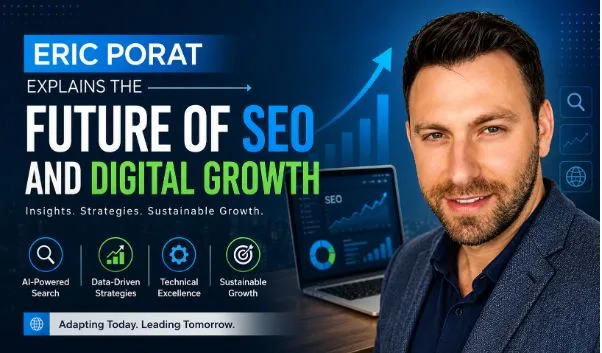
Search engine optimization has progressed notably in recent years. Previously concentrated mainly on keywords, backlinks, and technical adjustments to websites, the field has evolved into a wider discipline that incorporates content quality, user experience, artificial intelligence, data analysis, and digital brand authority. Eric Porat, a seasoned entrepreneur and digital marketing expert, provides an optimistic view on how companies can adjust to these shifts and create lasting online success.
The future of SEO goes beyond just attaining better rankings. It involves grasping people’s desires, delivering valuable information, establishing trust, and designing digital experiences that motivate users to interact with a company.
How SEO Has Changed
Conventional SEO methods typically focused on choosing keywords and enhancing specific pages based on those phrases. Although keyword research is still important, search engines have greatly improved in grasping context and intent.
Currently, search engines assess various indicators to decide which content is beneficial for users. Elements like relevance, content quality, site architecture, user experience, authority, and subject coverage can all impact a website’s visibility.
This indicates that companies must go past individual keywords and create extensive content plans. Rather than generating numerous pages that focus on minor variations of a similar phrase, brands can develop valuable resources that respond to wider inquiries and meet actual customer demands.
The Growing Role of Artificial Intelligence
Artificial intelligence represents one of the major advancements shaping the future of SEO. AI tools assist marketers in exploring subjects, examining extensive datasets, recognizing patterns, structuring information, and automating repetitive marketing tasks.
Nonetheless, AI ought to be regarded as an auxiliary tool instead of a substitute for human skills. Merely producing extensive automated content does not ensure visibility or business expansion.
Combining AI With Human Expertise
Human assessment continues to be crucial in producing valuable digital content. Skilled marketers can grasp audience worries, identify industry trends, validate information, create original concepts, and provide content with a distinct viewpoint.
AI can enhance productivity, yet companies still require a precise plan. The most effective strategy is to merge technology with human creativity, expertise, editing, and judgement.
User Intent Is Becoming More Important
Grasping search intent is increasingly vital in contemporary SEO. An individual looking for information might have a different goal than someone evaluating products or getting ready to buy.
Consequently, businesses must take into account the motive behind a search instead of concentrating solely on the keyword itself.
For instance, educational content is needed for informational searches, whereas commercial searches might gain from comparisons, product details, case studies, or in-depth explanations. Synchronizing content with user intent can enhance a website’s utility and relevance.
Quality Content Will Remain Essential
Even with technological advancements, content continues to be central to digital marketing. Companies require content that addresses inquiries, showcases knowledge, and offers real benefits.
Content of high quality must be clear, precise, unique, and simple to comprehend. It must be structured with suitable headings, examples, relevant details, and helpful clarifications.
Eric Porat prioritizes a digital growth strategy that focuses on generating content aligned with a wider business objective instead of merely creating articles to populate a website.
Technical SEO Still Matters
Content is only one part of successful SEO. A technically strong website provides the foundation for search visibility and a positive user experience.
Important Technical Factors
Businesses should pay attention to:
- Website loading speed
- Mobile responsiveness
- Secure website implementation
- Logical website architecture
- Internal linking
- Crawlability and indexing
- Image optimization
- Broken links
- Structured data where appropriate
Technical improvements can make it easier for search engines to understand a website while also making navigation more convenient for visitors.
Building Digital Authority
Digital authority is another crucial factor in sustained growth. Companies can enhance their reputation by offering valuable resources, gaining pertinent mentions, conducting original research, providing expert insights, and producing content that other sites naturally desire to cite.
The objective should not merely be to obtain as numerous backlinks as one can. Significance, trustworthiness, and excellence are more important than sheer numbers.
A robust digital reputation can also affect customers’ perceptions of a business. A brand that consistently showcases expertise and delivers valuable information is more likely to build trust.
Data-Driven SEO Strategies
Modern marketers have access to extensive amounts of data. Search analytics, website traffic, engagement metrics, conversion information, and customer behavior can all provide valuable insights.
Turning Data Into Decisions
The real value of analytics comes from using information to make better decisions. Businesses can identify which pages attract qualified visitors, which topics generate engagement, and where users leave the conversion process.
Instead of assuming what works, marketers can test different strategies, monitor results, and make improvements based on evidence.
The Changing Search Experience
Search is becoming more conversational and increasingly influenced by AI-powered technologies. Users can ask complex questions and expect direct, contextual answers.
This creates new opportunities for businesses that create well-structured, authoritative information. Brands should consider the questions customers ask and provide concise answers alongside deeper supporting information.
Search visibility may increasingly involve appearing in different types of digital experiences rather than relying exclusively on traditional search results.
SEO and Branding Are Becoming Connected
SEO cannot exist independently from branding. A company may generate traffic through search, but long-term growth depends on what users think about the brand once they discover it.
Consistent messaging, professional website design, useful content, positive customer experiences, and strong communication can all contribute to a more recognizable online identity.
SEO can bring people to a website, while branding and user experience can help turn that attention into lasting relationships.
The Importance of Long-Term Thinking
Sustainable SEO rarely comes from shortcuts. Search algorithms continue to change, competitors continue to publish content, and user expectations continue to evolve.
Businesses should therefore treat SEO as an ongoing process involving research, optimization, content development, technical improvements, and performance analysis.
Eric Porat’s perspective highlights the value of adaptability. Businesses that monitor changes and continuously improve their digital strategies can be better prepared for future developments.
Conclusion
The future of SEO will be shaped by artificial intelligence, changing search behavior, stronger competition, improved technology, and increasing expectations for quality. However, the fundamentals of successful digital marketing remain consistent.
Businesses need to understand their audiences, provide valuable information, maintain technically strong websites, build credibility, and measure meaningful results.
Eric Porat’s perspective on digital growth demonstrates why modern SEO requires more than chasing rankings. The strongest strategies combine technology with human expertise, data with creativity, and short-term optimization with long-term business objectives.
Frequently Asked Questions
1. Who is Eric Porat?
Eric Porat is an entrepreneur and digital marketing strategist known for his experience with SEO, online business growth, website development, and digital strategy.
2. How is AI changing SEO?
AI is helping marketers with research, data analysis, content planning, automation, and understanding search behavior. It is also contributing to changes in how search engines process and present information.
3. Is traditional SEO still important?
Yes. Keyword research, technical SEO, website structure, quality content, internal linking, and authority remain important foundations of an effective SEO strategy.
4. Why is user intent important in SEO?
User intent helps businesses understand what people actually want when they perform a search. Creating content that satisfies that purpose can improve relevance and provide a better user experience.
5. Will AI replace SEO professionals?
AI can automate many tasks, but strategic thinking, creativity, expertise, decision-making, and understanding customers remain important. AI is more useful as a supporting tool than as a complete replacement for marketers.
6. What makes SEO sustainable?
Sustainable SEO involves valuable content, technical optimization, relevant authority, continuous measurement, user-focused strategies, and the ability to adapt to changes in search technology.
7. What is the future of SEO?
The future of SEO will likely involve AI-powered search, conversational queries, stronger emphasis on content quality, user experience, authority, and a closer connection between SEO and broader digital marketing.