Essential Upgrades That Improve Home Safety And Reliability
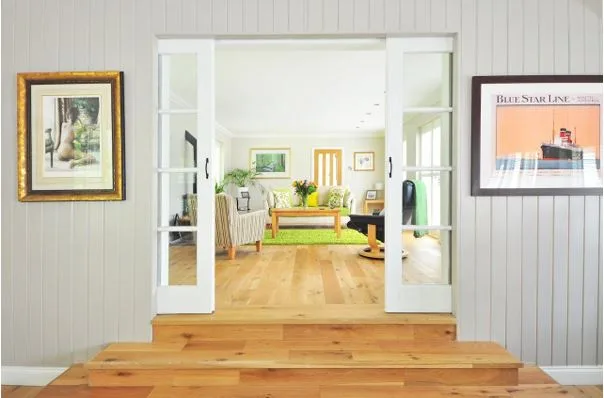
A home often feels safest when everything is working exactly as expected.
Lights turn on, appliances operate normally, and daily routines continue without interruption. Because these functions become familiar, it is easy to overlook the systems that make them possible. Many homeowners focus on visible improvements, while the upgrades that support safety and reliability remain hidden behind walls, ceilings, and utility connections.
As weather events become more disruptive and household demands continue increasing, greater attention is being placed on practical home improvements. A comfortable home is important, but a dependable one is equally valuable. When critical systems fail unexpectedly, inconvenience can quickly become a much larger concern.
A prepared-for-whatever-comes-next mindset has become increasingly common among homeowners who want to reduce risks before problems appear. Rather than waiting for emergencies, many are evaluating improvements that strengthen their property’s ability to handle challenges.
The strongest upgrades are not always noticed immediately. Their value is often revealed when unexpected situations arise and the home continues functioning as intended.
Reliable Power Makes All The Difference
Electricity supports nearly every aspect of modern life.
Heating systems, refrigeration, communication devices, and security equipment all depend on a reliable power source. When outages occur, the impact can extend far beyond temporary inconvenience. Daily activities may be disrupted, and important household functions may be interrupted.
Because of these concerns, many homeowners explore generator installation services as part of a broader preparedness strategy. Backup power systems can help maintain essential operations during outages while reducing stress during severe weather events and utility disruptions.
The importance of reliable power continues growing because more household activities depend on technology than ever before. Remote work, online learning, and connected security systems have become part of everyday life in many homes.
For example, a family may experience a lengthy outage during a major storm. Another homeowner may live in an area where power interruptions occur several times each year. In both situations, access to backup electricity can provide significant reassurance.
Critical appliances may continue operating, food spoilage may be reduced, and household routines may be maintained more effectively. Could most families comfortably manage several days without electricity? For many households, that challenge would be difficult.
Preparation often proves far more effective than scrambling for solutions after an outage has already occurred.
Safety Features That Deserve More Attention
Many of the most valuable home upgrades focus on prevention rather than reaction.
Safety systems are often expected to work flawlessly, even though they may receive little attention during normal circumstances. Their importance becomes obvious when emergencies occur, which is why regular updates and improvements should not be overlooked.
Several upgrades can contribute significantly to household safety:
- Updated smoke detectors throughout the home
- Carbon monoxide detection systems
- Whole-home surge protection devices
- Reinforced exterior doors and modern locks
- Security cameras and monitoring systems
- Electrical panel inspections and upgrades
Each of these improvements addresses a different type of risk.
Smoke detectors can provide early warnings during dangerous situations. Carbon monoxide monitoring can help identify threats that cannot be seen or smelled. Security systems may increase awareness while discouraging unwanted activity around the property.
Electrical upgrades are particularly important because aging systems may struggle to support modern demands. Increased use of appliances, electronics, and charging devices places additional pressure on household electrical infrastructure.
Would most homeowners prefer discovering a vulnerability during an inspection or during an emergency? The answer is usually clear.
Safety improvements often provide value quietly, but their contribution should never be underestimated.
What You Cannot See Often Matters Most
Many homeowners evaluate a property based on visible features, but reliability is often determined by systems that remain hidden from view.
Plumbing, electrical wiring, insulation, drainage systems, and structural components all play important roles in maintaining a dependable home. When these systems are neglected, small problems can gradually become major repairs.
For example, a minor plumbing leak may remain unnoticed for months before significant water damage develops. Another homeowner may experience rising utility costs because inadequate insulation allows conditioned air to escape. In both cases, underlying issues may affect comfort, efficiency, and long-term expenses.
Regular inspections can help identify concerns before they worsen. Preventive maintenance is frequently less expensive than emergency repairs, which makes proactive attention especially valuable.
Outdoor improvements also contribute to reliability. Proper drainage helps direct water away from foundations, reducing the risk of structural issues and moisture-related damage. Likewise, strategic exterior lighting improves visibility and safety around entrances and walkways.
Even concepts such as designing with light can support functionality by helping homeowners improve visibility in key areas while enhancing the usability of indoor and outdoor spaces.
The systems that remain out of sight are often the ones that deserve the greatest attention. When these foundational components are maintained properly, costly disruptions can often be avoided, and overall household performance can be supported more consistently.
Prepared Homes Create Lasting Confidence
A reliable home is rarely created through one major project.
Instead, it is built through a series of thoughtful decisions that strengthen different areas of the property. Each improvement contributes to a broader goal: creating a safer, more dependable place to live.
Power protection, safety equipment, infrastructure maintenance, and preventive upgrades all work together to support long-term performance. When one area is neglected, the entire home may become more vulnerable to disruption.
As household expectations continue changing, reliability is becoming just as important as comfort. Homeowners increasingly want properties that can perform consistently under a wide range of conditions. That objective requires planning, attention to detail, and a willingness to invest in practical improvements.
Could any homeowner predict every challenge that might arise in the future? Probably not. However, many potential risks can be reduced through preparation and smart decision-making.
The most effective upgrades are often the ones that provide confidence long before they are ever needed. When safety, reliability, and preparedness are prioritized, a home becomes more than a place to live. It becomes a place that is ready to support the people inside it when it matters most.