Outdoor Spaces That Feel Expensive Without Breaking the Budget
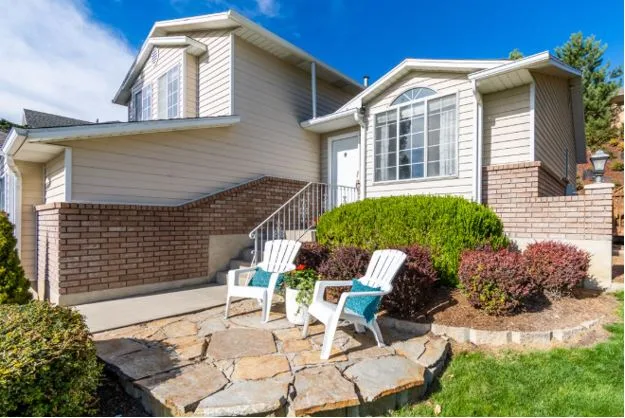
Many homeowners spend weekends upgrading their outdoor areas, yet the result still feels unfinished or mismatched. The issue usually shows up when seating looks fine on its own, plants are healthy, and new pieces are added, but the space still lacks a clear identity. Outdoor design works more like a system than a collection of items. When one part feels out of place, the entire space loses its balance.
A common problem is starting with products instead of planning how the space should function. People often buy furniture first or pick materials without thinking about flow and structure. That leads to areas that look scattered, even when everything is good quality. Outdoor spaces feel more refined when every section serves a clear purpose and connects smoothly with the rest. Once that foundation is in place, even simple setups begin to look intentional and well put together.
Define Zones That Match Real Daily Use
Outdoor zones work best when they reflect real behavior instead of forced design ideas. A backyard becomes more useful when each section serves a clear role that matches how people actually spend time outside. For example, a small table near the house often works better for quick meals than a large setup placed far away.
Avoid creating too many zones in small yards. That can make the space feel broken up and harder to enjoy. Two or three well-planned sections often create a smoother experience. When each area has a purpose and connects naturally, the entire yard feels more usable and balanced.
Ground Surfaces That Set the Foundation for Design
The surface underfoot plays a major role in how an outdoor space comes together. Many homeowners choose structured paving systems because they offer consistency and flexibility in design. Concrete paver installation is commonly considered for patios, driveways, and walkways since it allows controlled patterns, clean edges, and easy replacement of individual units if needed. This makes long-term upkeep more manageable compared to poured surfaces that may crack over time.
Proper base preparation is critical here. A compacted base layer and correct edge restraints help prevent movement and sinking. When the foundation stays stable, the entire outdoor design feels more reliable and visually steady.
Lighting That Builds Evening Structure
Lighting changes how outdoor spaces function after sunset. Without it, even well-designed areas lose their structure and become harder to use. Good lighting brings back definition and helps each zone remain clear when natural light fades.
Start with practical lighting near paths and entry points. This improves movement and safety without drawing attention. Then add softer lighting around seating areas to support comfort. Warm tones usually work better than bright white light because they create a relaxed atmosphere.
Avoid over-lighting the space. Too many fixtures can flatten the design and remove contrast. Focus on a few key points that highlight structure instead of covering every corner. When lighting supports the layout rather than overpowering it, the outdoor space stays usable and visually balanced throughout the evening.
Plant Placement That Feels Intentional and Balanced
Greenery works best when it follows a clear placement plan instead of being scattered across the yard. Grouping plants in defined areas creates a stronger visual impact and keeps maintenance easier. Repeating the same plant type in clusters also helps the space feel organized, since the eye reads patterns more easily than random variety.
Edge planting along fences, walls, or borders helps frame the space and reduces empty-looking corners. Taller plants can sit at the back, while low ground covers or small shrubs fill the front. This layered approach keeps visibility open while still adding depth.
Avoid placing plants too close to walkways or seating areas where they can crowd movement. Leave breathing room around each zone. When greenery supports the layout instead of filling every gap, the yard feels more structured and calm, even with simple plant choices.
Furniture Choices That Match Real Use
Outdoor furniture should match how people actually use the space day to day. Many homeowners choose pieces based on appearance alone, but size, comfort, and placement matter just as much. A large set can overwhelm a small patio, while undersized pieces can make a larger space feel empty.
Start by measuring the area and leaving enough walking space around each item. Seating should allow easy movement without squeezing between pieces. Tables should match the number of regular users instead of occasional guests. This keeps the setup practical instead of overcrowded.
Material choice also matters for long-term use. Weather-resistant options like treated wood, powder-coated metal, or outdoor-grade resin hold up better in changing conditions. When furniture fits the space properly and supports daily habits, the entire outdoor area feels more natural and easier to enjoy.
Subtle Finishing Details That Pull Everything Together
Small details often decide how complete an outdoor space feels. Edging around patios, clean transitions between zones, and neat borders around planting beds help define structure without adding clutter. These elements guide the eye and create separation between different parts of the yard.
Consistent finishes across surfaces also help. Matching tones between walkways, seating areas, and borders reduces visual noise. Even simple details like straight edges or aligned joints can improve the overall look.
Drainage planning also fits into this stage. Water should move away from seating and high-use areas to prevent puddles and surface damage. These functional details stay out of sight but support long-term use.
When finishing touches follow the same design direction as the rest of the space, the entire yard feels more complete and stable without needing extra decoration.
A well-designed outdoor space comes from clear planning, steady structure, and consistent upkeep. Each part of the yard plays a role, from layout and zoning to materials, lighting, and finishing details. When these elements work together, the space feels organized without needing expensive upgrades or complicated designs.
The strongest results usually come from simple decisions made early, especially around layout and surface planning. Once the foundation is stable, everything else becomes easier to place and maintain. Furniture fits better, plants look more balanced, and daily use feels more natural.
Outdoor areas that stay functional over time follow this kind of thinking. They focus on usability first, then refine appearance through small, steady improvements that hold up with regular use.