Exploring AI Creativity With Fewer Restrictions
Artificial intelligence has quickly become part of the creative process. Writers use it to brainstorm ideas, creators use it to develop visual concepts, and storytellers use it to experiment with characters and fictional worlds. At the same time, some users find that heavily restricted AI tools can interrupt creative workflows when perfectly reasonable prompts are declined or limited.
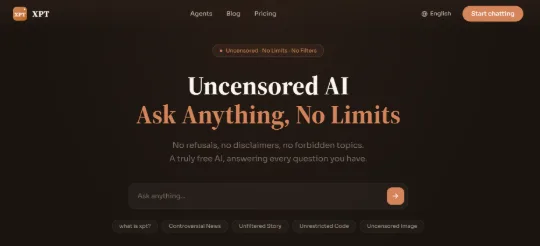
This has created interest in platforms that offer more open-ended creative experiences. One example is XPT, an AI creation platform designed for users who want greater flexibility when exploring ideas through text, images, storytelling, and interactive conversations.
What Is XPT?
XPT is an AI platform focused on open-ended creation and conversation. Rather than limiting its use to traditional question-and-answer interactions, the platform can be used for a variety of creative projects. Users can explore writing ideas, develop fictional characters, create stories, experiment with roleplay, and build imaginative settings.
The appeal is particularly clear for people who prefer a more natural creative process. Instead of constantly adjusting an idea because a tool is too restrictive, users can explore different directions and refine their concepts through an ongoing conversation.
Exploring AI With Fewer Restrictions
One of the main reasons creators look for alternatives is the experience of unnecessary refusals. AI systems need appropriate boundaries, but excessive limitations can sometimes make it difficult to work on harmless fictional or creative concepts.
For users interested in AI with fewer restrictions, XPT provides a more open environment for experimenting with ideas. The goal is not simply to generate quick answers, but to give creators room to explore different possibilities and maintain the direction of a project.
This can be useful when brainstorming unusual characters, developing fictional scenarios, or experimenting with storytelling styles that do not fit neatly into conventional templates.
More Than Just AI Writing
Writing is only one part of what users can explore with XPT. The platform can support different creative activities, making it useful for people with varied interests.
For example, writers can use AI to brainstorm plots, develop dialogue, outline stories, or expand fictional settings. Character creators can work on personalities, backgrounds, motivations, and relationships. Users interested in worldbuilding can gradually develop locations, cultures, fictional histories, and other details through interactive conversations.
Image generation also adds another dimension to the creative process. Visual concepts can help creators turn ideas that exist only in their imagination into something easier to examine and develop.
Useful for Storytelling and Roleplay
Interactive storytelling is another area where an open-ended AI platform can be useful. Instead of producing a single response and ending the interaction, users can continue a conversation and build on what has already been established.
Roleplay can similarly provide a way to test character personalities and explore fictional situations. This can be useful for writers who want to see how a character might respond to different circumstances before incorporating those ideas into a larger project.
The same approach can work for worldbuilding. A creator can start with a simple concept and gradually add details, asking questions and revising elements as the fictional world develops.
A Flexible Option for Creative Experimentation
There is no single AI tool that works perfectly for every creator. Some people want highly structured assistants, while others prefer platforms that give them more freedom to experiment.
XPT is worth considering for users who value open-ended conversations and creative flexibility. Its combination of writing, image generation, storytelling, character development, roleplay, and worldbuilding makes it suitable for a broad range of creative experiments.
Ultimately, the value of a less restrictive AI platform comes down to how well it supports the user’s creative process. For people who frequently find their ideas interrupted by unnecessary limitations, having a platform designed around greater creative freedom can make experimentation more enjoyable and productive.