When Air Freight Makes Sense for Time-Sensitive Business Shipments
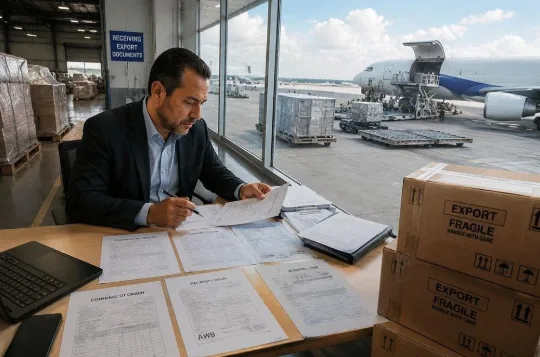
Air freight is not the cheapest way to move cargo, and it should not be treated as the default option for every shipment. Its real value appears when timing, reliability, cargo value, and operational risk matter more than the lowest possible freight rate. For businesses moving urgent inventory, replacement parts, electronics, medical-related supplies, retail goods, product samples, or high-value commercial cargo, air cargo shipping can protect deadlines that would be difficult to meet by ocean or ground transportation. This is especially true when a shipment has to cross long distances, move between Canada and the United States, or reach an international market where delays can affect production, sales, or customer commitments.
Cargopedia often works with businesses that need more than a basic airport-to-airport booking. A practical air freight plan usually involves pickup coordination, carrier routing, air waybill preparation, customs documentation, cargo handling, insurance options, and final delivery. That is why choosing the right freight forwarder matters. The flight is only one part of the shipment. The real work is making sure the cargo is ready, correctly documented, properly classified, and moved through each handoff without unnecessary storage charges or missed cut-off times. For companies comparing air freight services, the best question is not simply “How fast can it arrive?” A better question is “What level of service gives this shipment the right balance of speed, cost, visibility, and control?” Cargopedia supports that decision-making process by helping businesses match the shipment to the right air cargo option instead of forcing every load into the same service model.
Why Businesses Choose Air Freight for Urgent Cargo
Air freight usually becomes the right choice when a delay would create a larger cost than the freight itself. A manufacturer may need a replacement component to keep a line running. A retailer may need stock before a seasonal campaign starts. A technology company may need to move sensitive electronics safely and quickly. A healthcare supplier may have time-sensitive goods that cannot sit in a warehouse while a slower mode catches up. In each of these situations, the decision is less about speed as a luxury and more about protecting business continuity.
The main advantage of air freight is compressed transit time. Shipments that may take weeks by ocean can often move much faster by air, depending on the route, carrier space, customs processing, and final delivery requirements. That shorter timeline can reduce the risk of stockouts, missed project dates, or production interruptions. Air cargo also tends to work well for goods with a higher value-to-weight ratio. When the cargo is valuable, compact, urgent, or tied to a firm deadline, the higher transportation cost can be easier to justify.
Air freight is also useful when supply chains need flexibility. Not every shipment requires the fastest express service. Some cargo can move by economy air freight if the deadline allows a little more room. Other shipments may need next-day air cargo, priority uplift, or door-to-door handling. The important point is that air freight is not a single product. It is a set of service levels that should be matched to the cargo, the delivery window, and the business impact of delay.
Common reasons businesses choose air freight include:
- A shipment has a fixed delivery deadline
- Cargo value is high enough to justify faster movement
- Production, sales, or service operations depend on the goods arriving quickly
- Ocean freight or ground freight would arrive too late
- The shipment is smaller, lighter, or more suitable for air transport
- The company needs stronger visibility and tighter coordination
- The cargo is moving across borders and needs documentation support
What Affects Air Freight Cost and Transit Time
Air freight pricing is not based only on distance. The final cost depends on several shipment details, including origin, destination, cargo dimensions, actual weight, volumetric weight, service level, airline capacity, fuel and security charges, handling needs, and whether the shipment requires customs clearance or final-mile delivery. This is why an accurate quote usually requires more than the pickup city and destination city. A freight forwarder needs to understand what is moving, how it is packed, when it will be ready, and when it must arrive.
One of the most important pricing factors is chargeable weight. Airlines compare the actual weight of the shipment with its volumetric weight and usually charge based on whichever is greater. This matters because a lightweight shipment can still take up a lot of space inside an aircraft. For example, bulky packaging, foam protection, large cartons, and oversized crates may increase the chargeable weight even if the cargo itself is not heavy. Accurate dimensions help avoid quote changes and billing surprises after the shipment is received.
Transit time is also affected by more than flight duration. Cargo may need pickup, screening, export handling, airline acceptance, customs review, import handling, warehouse release, and delivery appointment scheduling. A shipment can move quickly in the air but still lose time if paperwork is incomplete or the cargo misses a cut-off. That is why planning matters before the booking is made. Good air freight coordination looks at the full route, not only the flight segment.
Main cost and timing factors include:
- Actual weight and dimensional weight
- Number of pieces, pallets, crates, or cartons
- Pickup and delivery locations
- Service level: express, next-day, standard, or economy air
- Airline capacity and route availability
- Customs documentation requirements
- Commodity type and handling restrictions
- Cargo value and insurance needs
- Airport handling, storage, and delivery appointments
- Special packaging or labelling requirements
Documentation and Customs Planning in Air Cargo Shipping
Air freight moves quickly, so documentation problems can become expensive very fast. If commercial documents are incomplete, inconsistent, or submitted late, cargo may miss a flight, sit at an airport warehouse, or face customs delays at destination. For international air freight, paperwork is not a side task. It is part of the shipment plan. The faster the transport mode, the less room there is for loose details.
Most commercial air cargo shipments require a commercial invoice and packing list. Depending on the route and commodity, the shipment may also need an air waybill, certificate of origin, import permits, export declarations, product certificates, dangerous goods documentation, or other destination-specific paperwork. The exact requirements vary by country, product type, consignee, and customs rules. Even simple errors, such as mismatched values, vague product descriptions, missing country of origin details, or incorrect HS code assumptions, can slow down clearance.
Customs planning is especially important for cross-border shipments between Canada and the United States, as well as international cargo moving through major airports. Businesses should be ready to provide clear commodity descriptions, invoice values, buyer and seller details, consignee information, and packaging data. If the goods are regulated, fragile, high-value, oversized, temperature-sensitive, or connected to dangerous goods rules, those details should be reviewed before booking. Waiting until the cargo reaches the airport can create avoidable problems.
Useful documents and shipment details may include:
- Commercial invoice with accurate product description
- Packing list with piece count, weight, and dimensions
- Air waybill or house air waybill
- HS code guidance where applicable
- Country of origin information
- Importer and consignee details
- Permits, certificates, or compliance documents when required
- Dangerous goods declaration if the shipment qualifies
- Cargo value for insurance review
- Delivery instructions and destination contact details
Choosing the Right Air Freight Service Level
Not every urgent shipment needs the fastest possible air service. Some businesses overspend because they choose express shipping without checking whether next-day, standard air, or economy air freight would meet the real delivery requirement. Other businesses take the opposite risk and choose a slower option when the deadline leaves no room for error. The right service level depends on the shipment’s urgency, value, destination, cargo profile, and tolerance for delay.
Express air freight is usually the best fit when the shipment is genuinely time-critical. This can include emergency parts, important documents, high-value goods, trade show materials, or cargo connected to a production shutdown. Next-day air freight can be useful when speed matters but the shipment does not require the highest-priority service available. Economy air freight is often a better option when the cargo still needs air transportation but has a more flexible timeline. Airport-to-airport service may work for businesses that can manage pickup and clearance at both ends, while door-to-door air freight is better when the shipper wants one coordinated process from origin to final delivery.
A good freight forwarder should not simply quote one option and move on. The better approach is to compare the practical trade-offs. A slightly slower air service may reduce cost without creating real operational risk. In another case, paying for priority handling may prevent a much larger business loss. That judgement depends on details, not generic promises.
Service options businesses often compare include:
- Express air freight for critical deadlines
- Next-day air cargo for fast commercial delivery
- Economy air freight for lower-cost air movement
- Airport-to-airport shipping for controlled handoffs
- Door-to-door air freight for complete coordination
- Cross-border air freight with customs support
- International air cargo for global shipments
- Air freight combined with trucking or warehousing
Conclusion
Air freight is most effective when it is used with a clear reason. It is not the best choice for every load, but it can be the right decision when cargo is urgent, valuable, lightweight, deadline-driven, or tied to business operations that cannot afford a long delay. The most successful air shipments are not planned around speed alone. They are planned around cargo details, documentation, customs needs, routing, handling, final delivery, and the real business cost of missing a deadline.
For businesses shipping across Canada, the United States, or international markets, the practical value of air freight comes from coordination. A shipment may need carrier booking, airport handling, export paperwork, import clearance, cargo insurance, trucking, and delivery scheduling. When these parts are managed together, air cargo becomes more predictable and easier to control.
Working with an experienced freight forwarder helps businesses choose the right service level instead of guessing. Some shipments need express air freight. Others only need economy air cargo with proper planning. The difference can affect both cost and reliability. Before booking, companies should prepare accurate cargo dimensions, weight, ready date, delivery deadline, commodity details, and document requirements. With those details in place, air freight can do what it is meant to do: move important cargo quickly, securely, and with fewer preventable delays.