Melamine Dinnerware: Durable Style for Everyday Use
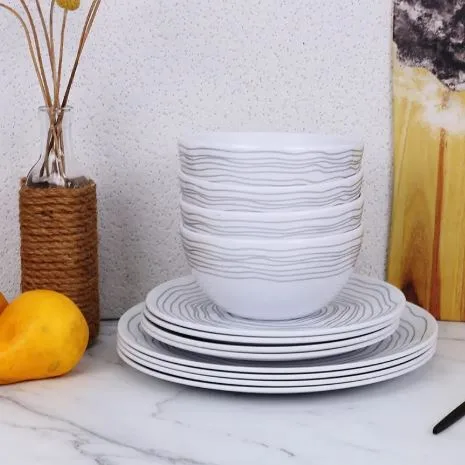
Walk into most restaurants, food trucks, or family homes with young children, and there’s a good chance the plates, bowls, and serving trays aren’t ceramic at all — they’re melamine. This hard, lightweight plastic material has become a go-to choice across hospitality, outdoor dining, and household use, offering a combination of durability and design flexibility that traditional ceramic or glass dinnerware can’t always match.
What Melamine Dinnerware Is
Melamine is a type of thermoset plastic made by combining melamine resin with formaldehyde and heat-pressing it into rigid, durable shapes. Once cured, melamine becomes extremely hard and resistant to cracking or chipping, while still remaining significantly lighter than ceramic or glass. This combination of strength and light weight is a major reason melamine has become a preferred material for dinnerware in high-use environments.
Common Uses for Melamine Dinnerware
- Restaurants and hospitality – Especially casual dining, buffets, and outdoor seating areas where durability matters
- Households with children – Reduces breakage risk compared to ceramic dinnerware
- Outdoor dining and camping – Lightweight and shatter-resistant, ideal for picnics, boating, or RV use
- Catering and events – Provides a polished appearance without the breakage risk of glass or ceramic during transport and setup
- Cruise ships and hotels – Common in settings requiring frequent handling and high durability standards
Advantages of Melamine Dinnerware
Durability Melamine resists chipping, cracking, and shattering far better than ceramic or glass, making it well suited to environments with frequent handling or higher risk of drops.
Lightweight Design Its reduced weight compared to ceramic makes melamine dinnerware easier to transport, stack, and handle, particularly valuable in high-volume food service settings.
Design Flexibility Melamine can be molded into intricate shapes and finished with vibrant colors, patterns, or textures that mimic the look of ceramic, stone, or wood, giving it broad aesthetic versatility for different dining concepts.
Cost-Effectiveness Melamine dinnerware is generally less expensive than high-quality ceramic or porcelain, making it practical for businesses needing to stock large quantities without a heavy upfront investment.
Important Limitations to Understand
Not Microwave Safe Melamine should not be used in microwaves, as it can degrade and potentially leach chemicals into food when exposed to microwave heating, unlike ceramic or glass.
Heat Sensitivity While melamine handles typical food service temperatures well, it’s not designed for direct exposure to open flame, stovetops, or extremely hot liquids beyond its rated temperature tolerance.
Surface Wear Over Time With extensive use, especially in commercial dishwashers, melamine surfaces can develop small scratches or a duller finish over time, though quality varies significantly between manufacturers.
Key Factors to Consider When Choosing Melamine Dinnerware
Food-Grade Certification Reputable melamine dinnerware should meet food safety standards relevant to the region of use, such as FDA compliance in the United States or equivalent certifications elsewhere. Confirming this certification is particularly important for commercial food service buyers.
Melamine Quality and Density Higher-quality melamine tends to be denser and more resistant to warping, staining, and surface wear compared to lower-grade alternatives. This often correlates with price, and businesses buying in bulk for daily commercial use may find it worthwhile to invest in higher-grade products for better longevity.
Design and Finish Options For hospitality and retail applications, available colors, patterns, and finishes (matte, glossy, textured) affect how well the dinnerware fits a particular dining concept or brand aesthetic.
Stackability and Storage Commercial kitchens and restaurants benefit from dinnerware designed for efficient stacking, which affects both storage space and staff handling efficiency during service.
Dishwasher Compatibility Most melamine dinnerware is dishwasher safe, but confirming manufacturer guidelines helps avoid premature wear from incompatible washing temperatures or cycles.
Melamine vs. Other Dinnerware Materials
Compared to ceramic, melamine offers far greater impact resistance at the cost of not being microwave safe and generally having a shorter overall lifespan under heavy commercial use. Compared to plastic alternatives like polypropylene, melamine typically offers a more premium look and feel, closer to ceramic in appearance, while still maintaining much of plastic’s durability advantage.
Care and Maintenance
Melamine dinnerware generally requires minimal special care — regular dishwasher cycles are typically fine, though avoiding abrasive scrubbing pads helps preserve the surface finish over time. Storing pieces properly to avoid unnecessary impact or stacking heavy items on top also helps extend usable lifespan, particularly for higher-end decorative pieces.
Final Thoughts
Melamine dinnerware offers a practical balance of durability, design flexibility, and cost-effectiveness that makes it a strong choice for restaurants, outdoor dining, and busy households alike. Understanding its limitations — particularly around microwave use and heat exposure — helps ensure it’s used appropriately, while choosing higher-quality, certified products helps maximize both safety and long-term value.