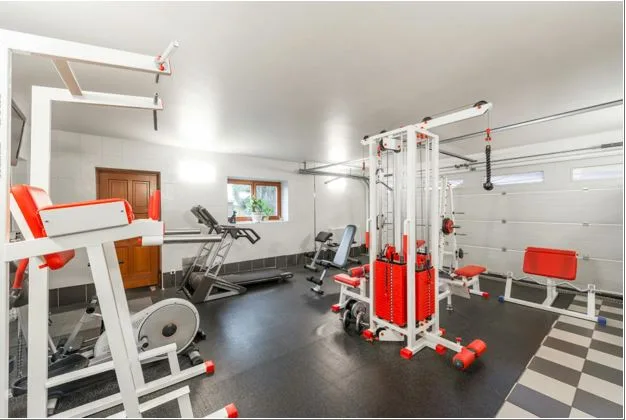
From Dust to Dumbbells: Building Your Dream Basement Gym
Basements tend to become storage zones for old boxes or things you forgot you owned.
You go down there once in a while, think about cleaning it up, then head back upstairs.
But here’s the thing—that space has potential. A lot of it.
With the right setup, a basement can turn into a solid home gym. Private, convenient, always available. No commute. No waiting for equipment. Just you and your workout.
You don’t need a massive renovation to make it happen. But you do need a plan.
Let’s break down how to make the shift, from dust and storage, to a gym that works out for you.
Clear Out the Space and Define Your Layout
Basements collect things. Boxes stacked in corners. Old furniture. Stuff you meant to sort through months ago.
So, the first step is simple; clear it out!
Once the space is open, you start seeing what you’re working with. The actual size. The ceiling height. Where the walls sit. Where support beams cut through the room.
Now you can think about the layout.
Finish the Basement Before You Start Setting Things Up
Before any equipment comes in, the basement itself needs attention.
Unfinished basements aren’t built for daily use. You’ve got to deal with concrete floors, exposed walls, and uneven surfaces. Sometimes moisture sneaks in without you noticing.
Not ideal for workouts.
Finishing the basement changes the feel completely. Walls get sealed and insulated. Floors become even and usable. The space holds temperature better, which matters when you’re exercising.
Of course, you need to hire professionals, so start by looking up basement finishing near me online. These experts know how to check for moisture issues, seal problem areas, and install materials that hold up over time.
They also handle electrical work safely if outlets or lighting need adjustments. Once the basement is properly finished, everything else becomes easier.
Set Up Proper Lighting So the Space Feels Energizing
Lighting changes how a space feels right away, and your basement needs plenty of it.
This is because basements often have limited natural light. Small windows, sometimes none at all. That can make the space feel closed in if you don’t address it.
Good lighting fixes that. Bright overhead lights help you see clearly during workouts. LED fixtures work well because they provide strong, consistent light without flickering.
Avoid overly warm, yellow lighting. It can make the space feel dull. Cooler, neutral tones keep the room feeling active and focused.
When the lighting is right, the space feels more open.
You walk in… and it actually feels like a place to move.
Improve Ventilation to Keep the Air Fresh
Workouts change the air quickly.
Without proper ventilation, the basement starts feeling heavy. Warm air builds up. Humidity rises. The space becomes uncomfortable faster than you expect.
Fresh airflow solves that. If your basement has windows, use them when possible. Even a little natural ventilation helps.
For more control, fans or ventilation systems keep air moving. Dehumidifiers also help manage moisture, especially in basements that tend to feel damp.
Good airflow makes a big difference during longer workouts. You breathe easier. The space stays cooler. It feels cleaner overall.
Not something you notice at first—but something you definitely feel if it’s missing.
Choose Equipment Based on Your Fitness Goals
It’s easy to get carried away here. Scroll through fitness setups online, and suddenly it feels like you need everything—machines, racks, benches, cables, more weights than you’ll ever use.
You don’t.
Know your own goals.
If you’re into strength training, focus on the basics. A good set of dumbbells. Maybe a barbell and a sturdy bench. A rack if you have the space.
More into cardio? A treadmill, bike, or rowing machine might make more sense.
Mix of both? Keep it balanced. A few strength tools, one solid cardio option.
The key is not to overcrowd the space.
Too much equipment makes the room feel tight and harder to use. You want space to move, not just machines lined up against every wall.
Create Storage Solutions for Weights and Accessories
Weights on the floor? Not a great look.
Dumbbells scattered around. Resistance bands tucked into random corners. Plates leaning against walls. It gets so messy so fast.
Good storage fixes that.
Wall-mounted racks hold weights neatly and keep the floor clear. Shelves work for smaller items like bands, gloves, or towels. Vertical storage helps when space is limited.
Ultimately, everything gets a place. And once things are organized, the room feels different. It’s much cleaner and easier to use. You spend less time looking for things, and more time actually working out.
It also makes the space safer. No tripping over weights or stepping around equipment.
Add Mirrors to Improve Form and Open Up the Space
Mirrors do two things at once.
First, they help with form.
When you’re lifting or doing bodyweight exercises, seeing your movement matters. You can check posture, alignment, and technique. That helps prevent injuries and keeps your workouts more effective.
Second, mirrors change how the room feels.
Basements can feel enclosed. A bit tight, especially if the ceiling isn’t very high.
Add a large mirror, and suddenly the space opens up. Light reflects better. The room feels bigger than it actually is.
You don’t need to cover every wall. Even one well-placed mirror makes a difference.
Bring in Sound and Entertainment Options
Workouts without sound? Feels off.
Music, podcasts, even a quick show in the background—these things keep you engaged. They make longer sessions easier to get through.
A simple speaker setup works for most people. Good sound, easy to control from your phone.
If you want more, a mounted screen or TV adds another layer. Great for guided workouts or just something to focus on during cardio.
Keep it simple, though.
You don’t need a full entertainment system. Just enough to make the space feel active instead of quiet.
Personalize the Space So You Actually Want to Use It
You can have the best equipment, perfect flooring, and great lighting but if the space feels bland, you won’t feel drawn to it.
Personal touches change that.
Maybe it’s a few posters. A color scheme that matches your style. A whiteboard for tracking workouts. Even something as simple as a clean, consistent layout. The goal is to make the space feel like yours.
Not just a room with equipment. A place you actually enjoy being in.
At some point, the basement stops feeling like a project.
You walk down the stairs… and instead of seeing storage space, you see something else. A setup that’s ready. Equipment in place. Air moving. Music waiting.
Nothing complicated about it. Just a space that works when you need it.
And on days when motivation feels low, that matters more than anything else.