Furniture Ideas to Transform Your Living Spaces
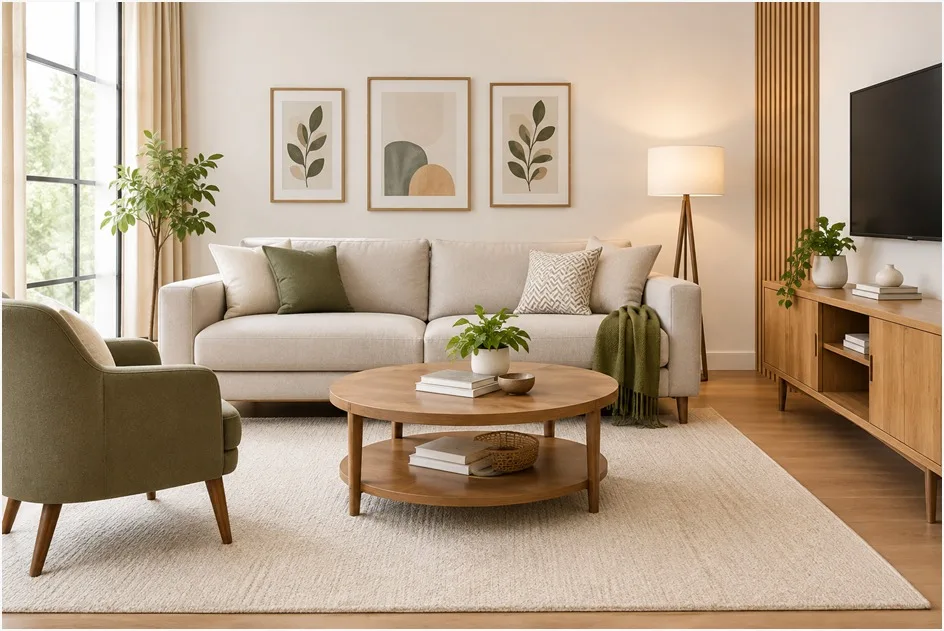
Choosing the right furniture can completely change the way a home looks and functions. The right pieces can make a room feel more comfortable, improve the way you use available space, and give your interior a more polished appearance. Furniture also works together with lighting, wall art, mirrors, shelves, and decorative accessories to create an interior that feels complete.
You do not need to redesign your entire home to create a noticeable difference. Sometimes, replacing an outdated table, adding a statement lamp, introducing new wall art, or changing a few decorative pieces can refresh an entire room. The most important thing is to select furniture that fits your space, supports your lifestyle, and works naturally with the rest of your interior. Whether you are furnishing a new property or updating the rooms you already have, these furniture and home styling ideas can help you create a practical and inviting home.
Build Your Room Around the Right Furniture
Every room needs a few essential pieces that establish its layout and purpose. Before thinking about decorative accessories, decide which furniture is most important for the space. A living room might be built around a sofa, coffee table, chairs, and storage furniture. A dining area may revolve around a dining table and comfortable seating, while a bedroom usually starts with the bed, bedside tables, and storage. The dimensions of your room should always influence your furniture choices. Measure the available floor area before purchasing anything and think about doors, windows, walkways, and existing furniture. Proper spacing can make even a smaller room feel much more comfortable.
Find a Furniture Look That Complements Your Interior
Your furniture does not have to follow one strict design style. Modern, contemporary, traditional, minimalist, and natural-inspired pieces can work together when they share certain visual details. For example, you might combine a wooden table with black metal lighting or pair neutral furniture with warm-toned decorative accessories. Repeating materials, finishes, or colors throughout the room can help different furniture pieces feel connected. Instead of trying to make everything identical, look for a common design element that ties the room together.
Give Your Living Room a Strong Foundation
The living room is usually one of the busiest spaces in a home, so it needs to combine comfort with good design. Begin with the seating arrangement and build the rest of the room around it. Once the sofa and chairs are positioned, choose a coffee table that provides enough surface area without making movement difficult. Side tables can also be useful next to seating areas, providing convenient places for lamps, books, drinks, and decorative objects. Think about how people will move around the room. Furniture should create a natural flow rather than blocking entrances or making the space feel cramped.
Pick a Coffee Table That Fits the Room
A Round Coffee Table With Storage can become one of the main visual features of a living room while still serving a practical purpose. When choosing a coffee table, look at its height in relation to the sofa, its overall dimensions, and the amount of space around it. Round and oval tables can soften rooms dominated by straight lines, while rectangular tables can work especially well with larger sofas.
Material also affects the atmosphere. Wooden finishes can introduce warmth, glass can create a lighter appearance, and metal accents can give a room a more contemporary character. Keep the tabletop styling simple. A small vase, decorative tray, coffee-table books, or a sculptural object can add personality without taking away from the table’s functionality.
Make Hallways More Functional With Console Tables
A console table can be an excellent solution for entryways, hallways, and narrow areas. Its slim profile provides useful surface space without taking up as much room as larger furniture. You can place a table lamp, vase, artwork, or decorative accessory on top while using the wall above it for a mirror or framed artwork. For a cleaner appearance, avoid overcrowding the surface. The goal is to make the area useful while maintaining enough open space for comfortable movement.
Treat Lighting as an Important Design Element
Furniture and lighting should be planned together because light can change the appearance of colors, textures, and materials throughout a room. Instead of depending entirely on a single ceiling fixture, consider creating layers of lighting. Table lamps can add softer illumination to side tables and consoles. Floor lamps can provide focused light beside sofas or reading chairs, while pendant lights and chandeliers can create a focal point above dining areas.
Wall sconces are particularly useful when you want additional lighting without using valuable floor or tabletop space. Beyond functionality, lighting fixtures can also contribute to the visual style of the room. Consider their shape, size, finish, and relationship with the furniture around them.
Use Wall Art to Add Personality
Furniture creates the structure of a room, but wall art can give the space personality. Large artwork can work well above sofas, beds, or console tables, while smaller pieces can be grouped together to create a gallery-style arrangement. The size of your artwork should relate to the furniture beneath it.
A small picture above a large sofa may feel lost, while an oversized piece on a narrow wall can dominate the room. Look at the colors already present in your furniture and choose artwork that complements rather than competes with them. Wall art can also be a simple way to introduce an accent color without replacing larger furniture pieces.
Bring More Depth Into a Room With Mirrors
Mirrors are useful decorative elements because they can reflect light and create a greater sense of visual depth. A large mirror above a console can create an attractive entryway arrangement. In bedrooms, living rooms, and hallways, mirrors can also help break up large areas of empty wall space.
Pay attention to the frame as well as the mirror itself. Wooden frames can create a warmer appearance, while metallic or darker finishes can complement contemporary furniture and lighting. Position mirrors thoughtfully so they reflect attractive parts of the room rather than cluttered areas.
Turn Empty Walls Into Useful Display Areas
Wall shelves are a practical way to use vertical space, especially in smaller rooms where floor space is limited. Shelves can hold books, small plants, framed photographs, vases, candles, and other decorative objects. Rather than placing items at exactly the same height, combine objects with different shapes and sizes to create a more natural arrangement. Leave some areas empty instead of filling every inch of the shelf. Negative space allows individual decorative pieces to stand out and prevents the display from looking overcrowded.
Create Harmony With Color and Materials
A coordinated color scheme can make furniture and decor feel more connected. Neutral colors such as beige, cream, white, gray, brown, and black can create a flexible foundation. From there, introduce stronger colors through lamps, wall art, cushions, rugs, vases, or other Home interior accessories.
You can also create contrast through materials rather than color. Combining wood, glass, metal, ceramic, fabric, and stone-inspired finishes can add texture and depth while keeping the overall palette simple. A room often feels more sophisticated when a few materials and finishes are repeated throughout the space.
Design a Relaxing and Practical Bedroom
A bedroom should feel comfortable and uncluttered while providing everything you need for everyday use. Start with the bed and consider how bedside tables, lighting, storage, and wall decor will work around it. Bedside tables provide convenient space for lamps, books, phones, and other essentials.
A bedside lamp can also create a softer atmosphere in the evening compared with relying only on overhead lighting. Wall art, mirrors, and carefully selected decorative pieces can add personality without taking away valuable floor space. Keep the number of accessories under control. A bedroom generally benefits from a calmer arrangement rather than an overly busy one.
Create an Attractive Dining Area
The dining table naturally becomes the center of attention in a dining room, so its size and shape should suit both the room and the number of people using it. Rectangular tables can work well in longer rooms, while round tables can be a good choice for compact dining spaces. Make sure there is sufficient space around the table for chairs to move comfortably.
Lighting can make a significant difference here. A pendant light or chandelier positioned above the dining table can create a defined focal point and make the area feel more intentional. Simple artwork, a mirror, or a few decorative accessories can finish the space without competing with the dining furniture.
Give Your Entryway a More Welcoming Look
Your entryway creates the first impression of your home, so even a small space deserves thoughtful styling. A narrow console table can provide a useful place for keys, lamps, vases, and decorative objects. Hang a mirror or piece of artwork above it to create a stronger focal point.
If the hallway or entrance is particularly narrow, concentrate on vertical elements such as mirrors, artwork, and wall lighting instead of adding large furniture. Keep the walkway clear. An attractive entryway should also remain practical and easy to move through.
Make Small Rooms Feel More Open
Limited space does not mean you have to compromise on style. The key is choosing furniture that fits the scale of the room. Avoid oversized pieces that consume too much floor area and prioritize furniture that serves a useful purpose. Wall shelves can provide storage and display space without taking up floor space, while smaller tables can provide functionality without overwhelming the room.
Mirrors can add visual depth, and lighter colors can help maintain an open feeling. Most importantly, do not feel the need to fill every corner. Empty space can be just as important as furniture because it gives the room room to breathe.
Avoid These Common Furniture and Decor Problems
One of the biggest decorating mistakes is buying furniture based entirely on appearance. A beautiful piece can still be unsuitable if it is too large, uncomfortable, or difficult to use. https://livingspacegear.com/ Another common problem is combining too many unrelated styles. Mixing styles can create an interesting interior, but repeating certain colors, materials, or finishes can help maintain consistency.
Too many accessories can also make a room feel crowded. Instead of displaying everything you own, select pieces that contribute to the overall look. Finally, do not choose furniture simply because it is currently popular. Trends can be useful for inspiration, but your furniture should ultimately match your lifestyle, space, comfort requirements, and personal taste.
Build a Home That Reflects Your Style
Creating a beautiful interior does not happen by filling every room with furniture and decorations. A well-designed home comes from choosing pieces carefully and giving each item enough space to be appreciated. Start with practical furniture that fits the dimensions of your rooms. Then introduce lighting, tables, wall art, mirrors, shelves, and decorative accessories that support the overall design.
The best interiors balance functionality and style. When furniture is comfortable, proportions are appropriate, colors work together, and decorative elements are thoughtfully selected, your home can feel polished while still remaining warm and personal.
Frequently Asked Questions About Choosing Furniture
What should I consider before buying furniture?
Consider the room’s measurements, furniture dimensions, available walking space, functionality, materials, colors, and how the piece will work with your existing decor. Measuring the space before purchasing can help prevent furniture from feeling too large or too small.
What furniture should every living room have?
Most living rooms benefit from comfortable seating, a coffee table, and practical side tables. Depending on the space, you can also add storage furniture, floor lamps, wall art, rugs, and decorative accessories.
How can I create a cohesive furniture style?
Choose a few colors, materials, shapes, or finishes that can be repeated throughout the room. Your furniture does not have to match exactly; visual connections between pieces are usually enough to create a cohesive appearance.