Where to Buy Peptides: A Practical Buyer’s Guide to Quality, Safety, and Research
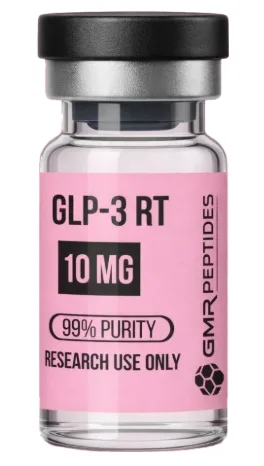
Peptides have attracted significant attention in medical research, biotechnology, sports science, and pharmaceutical development. From naturally occurring peptides to experimental compounds being studied for metabolic, hormonal, and other biological effects, the category covers a wide range of substances. That variety also makes the peptide marketplace difficult to navigate, particularly for buyers who are unsure about quality, regulatory status, or the reliability of online suppliers.
Anyone researching where to buy peptides should begin with a more important question: what type of peptide is actually being purchased, and is it legally and appropriately available for the intended purpose? A product sold online as a “research peptide” is not automatically approved, safe for human use, or manufactured to pharmaceutical standards.
Understanding What Peptides Are
Peptides are short chains of amino acids connected by peptide bonds. They occur naturally throughout the body and can participate in numerous biological processes, including signaling, hormone regulation, metabolism, and tissue functions.
Because peptides can interact with biological systems, researchers study them for a wide range of potential applications. Some peptides have become established medicines after undergoing extensive research and regulatory review, while others remain experimental.
This distinction is extremely important. The fact that a compound is chemically described as a peptide does not mean that it has been demonstrated to be safe or effective for a particular medical purpose.
Research Peptides vs. Approved Medicines
One of the biggest mistakes buyers can make is treating a “research use only” label as evidence that a product is suitable for personal use.
In the United States, the FDA has repeatedly taken action against sellers marketing unapproved peptide products for human use despite research-only labeling. In one recent warning letter, the agency stated that products marketed as research chemicals could still be considered drugs when a company’s website makes claims indicating an intended use in humans.
Therefore, buyers should carefully distinguish between legitimate laboratory research materials and medicines intended for patients. If a substance is intended for medical treatment, the appropriate route should involve a qualified healthcare professional and a legally authorized source.
How to Evaluate a Peptide Supplier
For legitimate laboratory research, supplier evaluation should involve more than comparing prices. A professional supplier should provide clear information about the identity and specifications of its products.
Look for documentation such as a certificate of analysis (COA), batch or lot identification, stated purity, testing methodology, and information about the laboratory responsible for testing.
However, simply displaying a COA on a website does not guarantee that the document is authentic or that every batch meets the stated specifications. Researchers should consider whether the testing laboratory is identifiable and whether the documentation corresponds to the exact product batch.
Transparent suppliers should also provide clear contact information, business details, storage information, and appropriate documentation rather than relying exclusively on anonymous contact channels.
Why Purity and Identity Matter
Peptide quality can involve several factors, including chemical identity, purity, concentration, degradation, aggregation, and contamination.
A product can have an attractive label while still failing to meet its stated specifications. This is particularly important for materials used in laboratory experiments, where impurities can interfere with research results.
For injectable products, quality concerns become even more significant because contamination can create serious health risks. The FDA warns that poor-quality compounded drugs can contain contaminants or incorrect amounts of active ingredients, potentially resulting in serious injury.
What About Retatrutide?
Retatrutide is an investigational medicine that has attracted considerable public interest because of research into its effects on metabolic health and body weight. Online discussions sometimes shorten its name to “Reta.”
People searching for reta peptide should be particularly careful about confusing an investigational compound with an approved medicine. The FDA has specifically cited retatrutide products in enforcement actions involving sellers marketing unapproved new drugs.
This illustrates an important principle for peptide buyers: online availability does not establish regulatory approval, clinical effectiveness, or safety.
Instead of relying on social-media claims, buyers should check current information from appropriate regulatory authorities and published clinical research. Investigational substances should not be treated as established treatments simply because they are widely discussed online.
Red Flags When Shopping Online
Several warning signs should make a buyer reconsider a supplier.
Be cautious when a website makes dramatic promises such as guaranteed weight loss, muscle growth, disease treatment, or rapid healing. Strong medical claims can indicate that a supposedly research-only product is actually being marketed for human use.
Other warning signs include missing batch information, unverifiable certificates of analysis, anonymous sellers, unclear business identities, unusually low prices, pressure to purchase quickly, and instructions that encourage personal use of products labeled for research.
A professional-looking website alone is not evidence of product quality.
Understanding Compounded Peptides
Compounded medications occupy another category that should not be confused with ordinary online research chemicals. In the United States, compounded drugs are not FDA-approved, meaning the FDA does not review them for safety, effectiveness, or quality before they are marketed. However, lawful compounding can serve specific medical needs under applicable regulations.
Patients considering compounded medication should therefore work with an appropriate healthcare professional and a properly licensed pharmacy or facility rather than purchasing products from an anonymous website.
Consider Regulatory and Sporting Rules
Regulatory requirements can vary significantly between countries. A peptide that is legally available for one purpose in one jurisdiction may have different restrictions elsewhere.
Athletes also need to consider anti-doping regulations. The World Anti-Doping Agency’s prohibited list includes various peptide hormones, growth factors, releasing factors, and related substances.
Competitive athletes should check the current rules applicable to their sport before using any substance and seek professional guidance when necessary.
A Better Approach to Buying Peptides
The safest buying strategy begins with verification rather than price comparison. First determine whether the material is an approved medicine, a legally compounded medication, an investigational substance, or a laboratory research chemical.
Next, verify the supplier, examine batch-specific documentation, understand storage requirements, and check the applicable regulations. For anything intended for human treatment, a licensed healthcare professional should be involved.
Ultimately, the best answer to “where to buy peptides” depends on what the peptide is, why it is needed, and which laws and quality standards apply. Online availability should never be mistaken for proof of safety or approval.
Final Thoughts
The growing interest in peptides has created both valuable research opportunities and a marketplace filled with uncertainty. Buyers can reduce risk by focusing on verified identity, transparent documentation, appropriate regulatory status, and reputable professional channels.
Whether researching an established peptide medicine or an experimental compound such as retatrutide, careful verification is more important than finding the cheapest listing. A responsible buyer looks beyond marketing claims and asks whether the product’s identity, quality, intended use, and legal status can actually be demonstrated.
For laboratory research, that means selecting suppliers capable of providing reliable analytical documentation. For medical treatment, it means working with qualified healthcare professionals and authorized medication channels. In either case, informed purchasing decisions begin with evidence rather than online hype.