Gas Leak Warning Signs Brooklyn Homeowners and Renters Shouldn’t Ignore
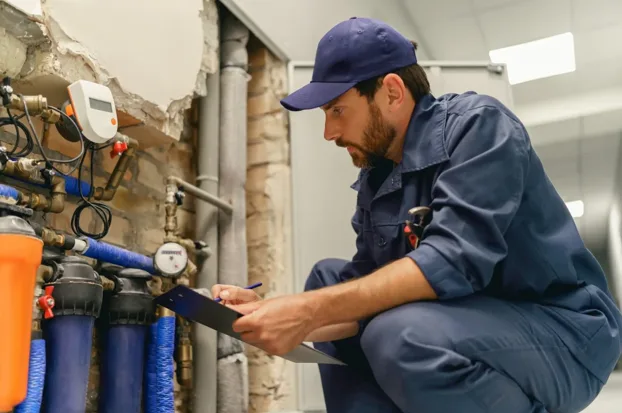
Most gas leaks announce themselves. People just talk themselves out of it. The smell drifts past while you’re cooking and you blame the stove. It shows up in the hallway and you figure a neighbor burned something. Any licensed plumber in Brooklyn who handles gas work has heard the after-story a hundred times – everyone in the building smelled it for two days before somebody finally made a call.
Gas doesn’t give many second warnings. Learn the first ones.
Natural Gas vs. Propane Gas: Why That Rotten Egg Smell Gets Added
Raw natural gas has no smell at all. Neither does propane. The rotten egg odor is mercaptan, an additive the suppliers blend in specifically so leaks get noticed. Tiny amounts, impossible to miss.
The two gases behave differently once they’re loose, and this part matters. Natural gas is lighter than air. It rises, drifts, collects near ceilings. Propane is heavier than air. It sinks and pools in basements, crawl spaces, stairwells, any low spot – which is why a propane leak around a backyard setup or a commercial kitchen can sit quietly at floor level for a long time. Most Brooklyn homes run natural gas piped from the street, but propane tanks are all over the borough on grills, patio heaters, food trucks.
Smell it low, smell it high, same rule either way. It shouldn’t be there.
What a Gas Line Leak Sounds and Looks Like Around the House
The nose isn’t the only detector you were born with. A hissing sound near the meter, behind the range, or along exposed basement piping means gas escaping under pressure. Houseplants that die for no reason near a gas line. A patch of dead grass over the buried service, or dirt blowing up from a small hole in the yard. Bubbles rising through a puddle that sits over the line.
Watch the appliances too. Burner flames should run blue. Lazy orange or yellow flames, soot around the stove, a pilot that keeps dropping out – combustion problems, possibly supply problems. A gas bill that climbs with no change in usage points at a slow leak somewhere in the system, and slow leaks are exactly what professional gas leak detection in Brooklyn exists to chase down before they become fast ones.
Your body registers it as well. Headaches, dizziness, nausea indoors that clears up when you step outside. Older housing stock makes all of this more common. A plumber in Williamsburg working the loft conversions and walk-ups over there still pulls old uncoated brass flex connectors from behind stoves – connectors the industry flagged as a hazard decades ago, still hanging on in kitchens that never got touched.
Get Out First, Then Call the Utility and a Licensed Plumber
Strong gas smell means leave. Now. No light switches on the way out, no unplugging anything, no phone calls until you’re outside – any small spark can be the ignition source. Leave the door open behind you and get clear of the building.
From the sidewalk, call 911 or the utility’s 24 hour gas emergency line. The utility responds free of charge, any hour, and their job is making it safe – finding the leak, shutting the gas. Fixing the piping inside your property is a separate job, and it lands on a licensed plumbing outfit. Brooklyn gas plumbers handle the customer side of the line, the utility handles their side, and the gas stays off until the repair passes a pressure test.
How Gas Leak Detection Equipment Pinpoints the Source
Smelling gas somewhere in a building and knowing which fitting is leaking are two different problems. Plumbers close the gap with a few tools. An electronic combustible gas detector gets traced along every joint and valve until the reading spikes. A manometer test isolates the house piping, pressurizes it, and watches the gauge – any drop over the test period confirms a leak is live somewhere on the line. Soap solution brushed on suspect fittings bubbles right at the escape point.
Hidden runs inside walls get sectioned off valve by valve until the leaking leg is cornered. Tedious work. Beats opening every wall in the apartment.
Gas Leak Repair and Keeping It From Happening Again
The repair itself is usually cut, rethread, reseal. The bad section comes out, new pipe goes in, joints get doped and tightened, then the whole line holds test pressure before anyone relights a pilot. NYC requires a licensed master plumber on gas piping work, with permits on anything substantial, and inspectors do check.
Prevention is mostly boring habits. Stop hanging bikes and dry cleaning off basement gas pipes – that one bends fittings more often than anyone admits. Replace any ancient flex connector behind a moved stove. Put a natural gas detector near the ceiling and a CO detector where code says, because they catch different problems. And LL152 inspections aren’t just paperwork, they’re a professional set of eyes on your gas piping every few years.
Smell something tonight, make the calls tonight.
Brooklyn Plumber
1406 Fulton St, Brooklyn, NY 11216
(929) 755-8936