Hidden Water Leaks: How Leak Detection Saves Queens Homeowners Thousands
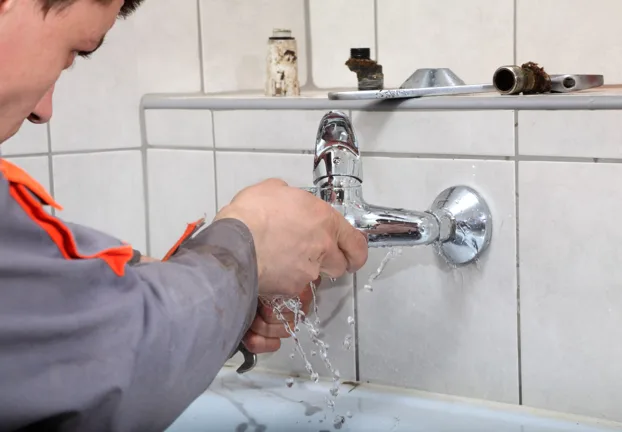
The expensive leaks are the quiet ones. A dripping faucet gets fixed in a week because it’s annoying. The pinhole spraying mist inside a wall cavity, the hot water line sweating under a slab, the service pipe bleeding into the front yard dirt – those run for months without a sound. By the time most homeowners call a plumber in Queens about it, the first clue wasn’t water at all. It was a number on a bill that made no sense.
Water always leaves evidence. You just have to know where it files its reports.
The Water Bill That Tells on a Hidden Plumbing Leak
Your DEP bill runs off the meter, and the meter counts everything – including the water you never used on purpose. A bill that jumps 30, 50, 100 percent with no change in the household is a leak until proven otherwise. The city’s automated meters actually read usage throughout the day now, and DEP mails out leak notification letters when a meter shows water flowing around the clock. Plenty of Queens homeowners learn about their leak from that letter. Don’t shove it in the junk drawer.
You can run the same check yourself tonight. Shut every fixture in the house – faucets, ice maker, washing machine, everything. Go look at the meter. There’s a small low-flow indicator on the dial, usually a little triangle or star, and with the house shut down it should be dead still. Spinning means water is moving somewhere it shouldn’t. Write down the reading, wait two hours with zero water use, read it again. Any change is your answer.
Rule out the toilets before blaming the walls, though. Food coloring in the tank, wait half an hour, color showing in the bowl means a worn flapper – and a bad flapper alone can silently pass a couple hundred gallons a day. Cheap fix. If the toilets check clean and the meter still creeps, the leak is hiding, and that’s when leak detection in Queens stops being optional and starts being the cheapest thing on the invoice.
Slab Leaks, Wall Leaks, and Underground Pipe Leaks: Where Water Hides
Three hiding spots cover almost every mystery leak.
Under the slab. Homes built on concrete with copper lines running through or beneath it develop slab leaks, hot side first – heated water and soil chemistry eat copper faster. The tells: a warm patch on the floor the dog keeps sleeping on, a water heater that runs constantly, the faint sound of running water with everything off, hairline cracks or dampness along the slab edge.
Inside the walls. Copper develops pinholes with age, and fittings weep at the solder joints. Look for bubbling or peeling paint, a stain that grows after showers, baseboards pulling away, a musty smell in one room that never airs out. A plumber in Forest Hills opening up walls in those 1920s Tudors and pre-war buildings finds pinhole-riddled copper and crusted galvanized all the time – pipe that’s been quietly misting a wall cavity for a year while mold got comfortable. The stain almost never sits directly over the leak either, since water travels along studs and pipe runs before it shows itself.
Underground, between the city main and your foundation. A soggy patch in the yard that never dries, one strip of grass greener than the rest, water pooling in the curb box, pressure that dropped house-wide. That service line is the owner’s responsibility in NYC – a surprise nobody enjoys – and finding the break without excavating the whole front yard is exactly what a Queens leak detection company gets hired to do.
How Electronic Leak Detection Equipment Pinpoints the Spot
The old method was educated guessing followed by a jackhammer. The current toolkit is better.
Acoustic equipment comes out first. Escaping pressurized water makes a signature hiss or rush, and ground microphones plus listening discs amplify it through concrete and soil. The tech walks the pipe run, the sound peaks, that’s the spot – often within a foot or two. Thermal imaging backs it up on hot side leaks, where the camera shows a warm bloom spreading across a slab or up a wall that eyes can’t see.
Moisture meters map wet drywall backward to the source. Pressure testing isolates the system – sections get valved off and gauged one at a time, and the zone that bleeds pressure holds the leak. For the stubborn ones there’s tracer gas, a safe hydrogen mix pumped into the emptied line that rises through slab and soil to a sniffer on the surface.
The payoff is precision. Opening one tile square instead of trenching a room. One drywall cut instead of four.
What Leak Detection Costs vs. What Ignoring It Costs
Professional detection in this part of the city generally runs a few hundred dollars – a $250 to $600 kind of number depending on how deep the leak is hiding. On the other side of the ledger: NYC water rates climb most years, and a leak runs 24 hours a day, every day, on your dime. The bill damage alone can pass the detection fee inside a quarter.
Then the real costs start. Saturated framing rots. Slab leaks wash out the fill underneath and floors settle. Mold remediation on a wall that stayed wet for a year runs into five figures without trying hard. And insurance has opinions here – sudden bursts tend to get covered, while slow leaks that ran for months get labeled neglect and denied. Acting fast, with a dated detection report in hand, is part of protecting the claim.
Small leak, found early, patched cheap. Same leak, found late, renovation. That’s the whole economics of it.
When to Call a Plumber Instead of Hunting Alone
The homeowner’s job ends at the meter test and the dye tablets. Past that, call it in: the indicator spins with everything off, warm floor spots, a bill climbing two cycles straight, hissing behind a wall, a musty room with no visible source, a DEP leak letter in the mailbox. Water line and underground work also pulls in permits and licensed plumber requirements in this city, so the fix was never going to be a weekend project anyway.
A hidden leak is spending your money right now, tonight, while nothing looks wrong. Finding it is the cheap part.
Queens Plumber
53-05 108th St, Corona, NY 11368
(929) 481-3200