Hot Water Runs Out Too Fast? What Your Plumber Checks First
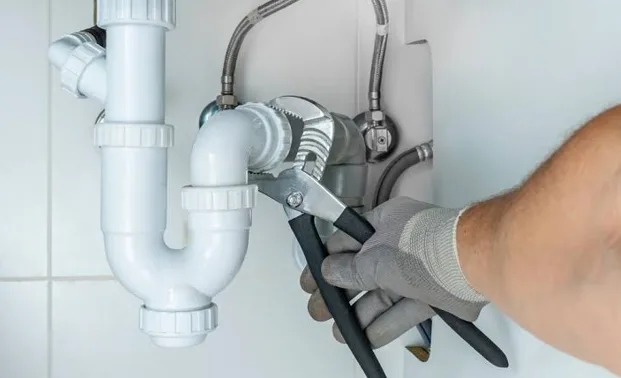
Third shower of the morning goes cold halfway through. Or the tub only fills two-thirds hot anymore when it used to fill all the way. Nothing’s leaking, nothing’s broken exactly, the water just quits early – and because nothing’s dramatic about it, people live with a shrinking hot water supply for years. Any plumbing service in Brooklyn that works on water heaters will tell you the complaint is almost never the tank dying outright. It’s the tank quietly losing capacity, and there’s a short list of reasons why.
Run the list before buying anything.
How Much Hot Water Your Water Heater Should Deliver
Baseline first, because sometimes the tank is fine and the expectations aren’t. A 40 gallon tank doesn’t deliver 40 gallons of usable hot water – the real-world number before the temperature drops noticeably is closer to 70 percent of capacity, call it 28 gallons or so, because incoming cold mixes into the tank as hot draws off the top. A standard showerhead flows around 2 gallons per minute. Do that math and a 40 gallon unit honestly supports maybe two back-to-back showers before it needs recovery time.
Recovery is the other half. A gas tank reheats a full tank in roughly an hour, electric takes about double that – which is why the third shower in an electric-heater house has always been a gamble.
So the actual question is whether performance changed. A tank that handled the whole family for years and now taps out after one shower isn’t undersized. Something inside it moved, and that’s where water heater repair in Brooklyn earns its keep – the fixes for shrinking capacity are mostly cheap parts and labor, nothing like replacement money.
Sediment Buildup: Why Hot Water Heaters Lose Capacity Over Time
This is suspect number one and it wins most of the time. Minerals in the supply fall out of solution when water gets heated, settle on the tank floor, and build a layer – a crust of calcium and grit sitting exactly where a gas burner needs to transfer heat. Two things go wrong at once. The sediment physically occupies gallons of tank space, so a 50 gallon tank might be holding 42. And the burner now heats a rock layer before it heats water, so recovery slows down and the gas bill creeps up.
The tank narrates this problem out loud. Popping, rumbling, a percolator noise when the burner runs – that’s water trapped under the sediment layer flashing to steam and punching through. Older tanks in the neighborhood do it loud enough to hear upstairs. A plumber in Park Slope draining a never-flushed tank out of a brownstone basement will pull water that looks like coffee with sand in it, sometimes scooping actual mineral chunks out of the drain valve when it clogs mid-flush.
Electric tanks suffer a different version – sediment buries the lower heating element, the element overheats inside its mineral jacket and burns out early. Same cause, different casualty.
A proper flush recovers real capacity when the buildup hasn’t calcified solid. Years of neglect can harden the layer to where flushing barely moves it, which is worth knowing before anyone promises miracles on a 12 year old tank. Plenty of Brooklyn water heater repair pros start every shrinking-hot-water call at the drain valve for exactly this reason.
Dip Tubes, Thermostats, and Heating Elements a Plumber Tests
When the flush doesn’t explain it, three parts get checked next.
The dip tube is the plastic pipe that carries incoming cold water down to the bottom of the tank, keeping it away from the hot water drawing off the top. When the tube cracks or snaps – and a whole generation of defective tubes from the nineties made this famous – cold water dumps in at the top and dilutes the hot immediately. The symptom is distinctive: lukewarm water almost right away, not hot water that runs out. Sometimes bits of white plastic show up in faucet aerators, which is the dip tube literally disintegrating into the plumbing. The part costs almost nothing. Diagnosing it is the skill.
Thermostats drift or fail. Gas control valves read tank temperature wrong and shut the burner early. On electric units each element has its own thermostat, and a stuck upper thermostat can keep the lower element from ever firing – the top of the tank heats, the bottom stays cold, and the “hot” water runs out in minutes. A multimeter settles all of it fast. Burned-out elements test the same way, continuity or nothing.
Setting matters too. Tanks get knocked down to low settings by a previous owner or a well-meaning energy-saver, and 120 degrees is the standard safe target – a tank set well below that just has less heat banked, period.
Water Heater Maintenance That Stretches Tank Life
The maintenance list is short and almost nobody does it. Flush the tank once a year – more a ritual than a project, hose on the drain valve, run it until clear. Test the T&P relief valve by lifting the lever and letting it snap back; a valve that keeps dripping after is telling you it’s done. And check the anode rod every few years. The rod is a sacrificial metal stick hanging inside the tank that corrodes on purpose so the tank walls don’t – when the rod is eaten down to bare wire, the tank starts consuming itself, and that’s the clock on the whole unit. A $40 rod swap is the single highest-leverage move in water heater ownership, and it’s the one nobody’s heard of.
Annual service visits bundle all three with a burner check. Cheap insurance against the cold-shower years.
Repair, Flush It Out, or Switch to Tankless?
Decision time is mostly an age question. Tank under 8 years old with any of the problems above – flush it, swap the bad part, move on, the economics are completely lopsided toward repair. Tank past 10 years making noise, showing rust at the fittings, or on its second repair – put the money toward the next unit instead of patching the old one in installments.
And the household that never had enough hot water even when the tank was new has a sizing problem, not a repair problem. That’s the conversation about a bigger tank, or going tankless and ending the capacity question permanently – endless hot water, 20 year lifespan, higher install cost, covered in full in the tankless comparison.
Cold showers aren’t a lifestyle. Get the tank looked at.
Brooklyn Plumber
1406 Fulton St, Brooklyn, NY 11216
(929) 755-8936