How Catch-Up Learning Programs Help Displaced Children Return to Education
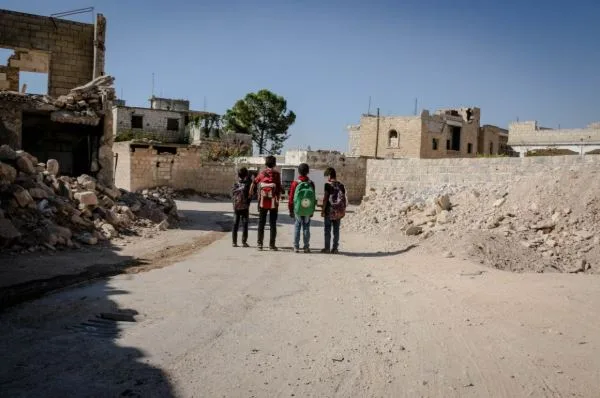
Every year, conflict forces millions of children out of the classroom, interrupting not only their education but also their sense of stability and belonging. According to UNESCO, more than 258 million crisis-affected children need educational support, making learning recovery one of today’s most urgent humanitarian priorities.
Simply reopening schools is rarely enough. Children who have missed months or years of learning often return with significant academic gaps, emotional challenges, and reduced confidence.
Catch-up learning for displaced children addresses these barriers by helping learners rebuild essential skills before they transition back into formal education. Evidence-based learning recovery approaches, such as those supported by War Child USA, help create structured pathways back to education for children affected by conflict.
Why Is Returning to School So Difficult for Displaced Children?
For children displaced by conflict, returning to school is about far more than finding an available classroom. Months or years away from structured learning can leave them academically behind, while displacement, uncertainty, and trauma create additional barriers that affect their ability to succeed once they return.
In many humanitarian settings, families move repeatedly between host communities, refugee settlements, or temporary shelters before finding stability. Every move increases the likelihood of interrupted learning, making educational continuity difficult to maintain.
Some of the biggest barriers include:
- Missed foundational literacy and numeracy skills.
- Trauma that affects concentration and classroom participation.
- Frequent relocation disrupts learning routines.
- Missing school records or language differences.
- Limited access to qualified teachers and safe learning spaces.
Without structured support, many children struggle to rejoin age-appropriate classrooms. Catch-up programmes address this challenge by assessing each learner’s current ability rather than focusing on how much school they have missed. This creates a realistic pathway back to formal education and reduces the risk of long-term educational exclusion.
How Do Catch-Up Learning Programs Rebuild Foundational Skills?
#1 They Focus on What Children Need to Learn Next
One common misconception is that children who miss school simply need to restart where they left off. In practice, this approach often delays progress and discourages older learners who may have missed several years of education.
Instead, accelerated learning programs focus on competency rather than time spent in school. They identify the essential literacy and numeracy skills children need first, allowing them to rebuild strong foundations before moving into age-appropriate learning.
Effective programmes typically:
- Assess current learning levels.
- Prioritise reading, writing, and mathematics.
- Adapt lessons to different educational backgrounds.
- Monitor progress and adjust support where needed.
This approach works because children are not expected to relearn everything they have missed. They focus on the knowledge needed to continue learning successfully. As a result, learning gaps in conflict zones can be reduced more efficiently while improving children’s confidence and readiness for school reintegration.
#2 They Bring Education Closer to Children
Waiting for permanent schools to reopen can leave displaced children out of education for extended periods. Effective emergency education programs reduce this risk by delivering learning in ways that adapt to changing circumstances.
For example, temporary learning spaces established within refugee settlements or community centres allow children to continue learning even when formal schools remain inaccessible. Some programmes also use offline digital learning tools and flexible schedules so education can continue despite ongoing displacement.
These approaches help by:
- Keeping children engaged in learning.
- Reducing further learning loss during displacement.
- Supporting families who move frequently.
- Maintaining education continuity until formal schooling becomes available.
Equally important is the role of teachers. Trained educators assess different learning levels, adapt lessons, and create supportive classroom environments that help children regain confidence. Their ability to respond to diverse educational needs is often the difference between temporary learning recovery and lasting school reintegration.
By maintaining learning momentum during crises, flexible education models make the transition back to formal schooling much smoother. Academic recovery, however, is only part of the solution. Children also need emotional support before they can fully participate in learning again.
#3 It Helps Children Feel Ready to Learn Again
Children affected by conflict often return to education carrying experiences that influence how they learn. Anxiety, grief, and uncertainty can affect concentration, participation, and confidence, even when safe classrooms become available. This is why effective children in crisis education programmes combine academic learning with emotional support.
Many programmes include:
- Social and emotional learning.
- Structured play and creative activities.
- Safe daily routines.
- Peer support.
- Trauma informed teaching.
These approaches help children rebuild confidence alongside academic skills. As a result, they are more likely to stay engaged in learning and successfully return to school rather than leaving education again.
#4 They Create A Structured Pathway Back Into Formal Education
The real success of catch up learning is not measured by how quickly children complete lessons. It is measured by whether they successfully return to school and continue learning over time.
Many education for refugee children initiatives align accelerated learning with national curriculum standards, helping children transition into age appropriate classrooms instead of repeating multiple grades.
Successful programmes typically:
- Assess learning progress regularly.
- Align teaching with national education systems.
- Prepare learners for classroom expectations.
- Support teachers during school reintegration.
Because the focus is on competency rather than time spent in school, children can rebuild essential knowledge before moving into the wider curriculum. This improves educational continuity while reducing the likelihood of long term school dropout.
#5 It Protects Long Term Opportunities
Catch up learning is often viewed as a short term response to interrupted education. In reality, its greatest value lies in preventing temporary disruption from becoming lifelong educational exclusion.
Children who remain connected to education are less likely to experience:
- Child labour.
- Early marriage.
- Long-term unemployment.
- Social exclusion.
- Permanent school dropout.
Educational recovery also strengthens families and communities by improving future employment opportunities and supporting long-term stability. Every successful return to school represents more than academic progress. It creates better opportunities for children to participate fully in society.
Closing Thoughts
Returning displaced children to education requires more than reopening classrooms. It requires structured programmes that recognise how conflict affects learning, confidence, and long-term educational outcomes.
By combining accelerated learning, flexible delivery, trained teachers, and psychosocial support, catch-up learning for displaced children helps learners recover essential skills and successfully return to formal education. More importantly, it ensures that temporary disruption does not become a permanent educational disadvantage.
As humanitarian needs continue to grow, investing in evidence-based learning recovery programmes will remain essential to helping children rebuild their futures.