How Do Food Security Programs in Conflict Zones Protect Children from Long-Term Malnutrition?
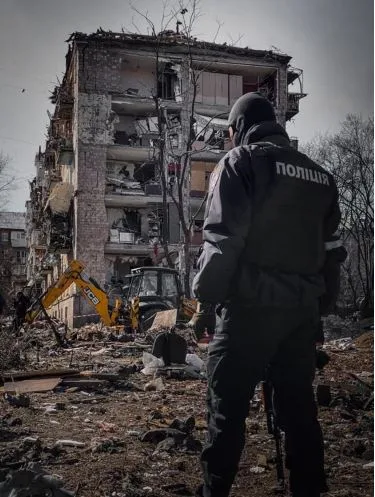
Food security in conflict zones protects children from long-term malnutrition by ensuring they continue to access safe, nutritious food before temporary food shortages become lifelong developmental challenges. During conflict, children can lose access to regular meals, healthcare, and clean water in a matter of days. Without early nutrition support, the effects can extend far beyond childhood, affecting physical growth, brain development, immunity, and future learning.
For readers exploring humanitarian work through War Child Canada, it is helpful to understand that food security is much broader than emergency food distribution. Effective programmes combine immediate nutrition support with locally led recovery efforts that help families maintain access to nutritious food throughout a crisis and beyond.
Good nutrition during the early years of life is essential because this period supports rapid brain development, healthy growth, and lifelong well-being.
Why Does Conflict Put Children at Greater Risk of Long-Term Malnutrition?
Conflict affects every stage of a family’s food supply. Crops may be destroyed, markets can close, healthcare services become harder to reach, and many families are forced to leave their homes. Even where food remains available, rising prices often make nutritious diets unaffordable.
Children are the most vulnerable because their bodies and brains are still developing. Poor nutrition during these critical years can lead to:
- Slower physical growth
- Reduced cognitive development
- Weakened immune systems
- Lower educational outcomes later in life
Before looking at different interventions, it helps to distinguish between two closely related concepts.
| Emergency Food Aid | Food Security |
| Responds to immediate hunger during a crisis | Helps families maintain reliable access to nutritious food over time |
| Focuses on urgent survival | Supports healthy growth, recovery, and resilience |
| Usually short-term Combines | |
| Saves lives during emergencies | Helps prevent long-term malnutrition |
Both approaches are essential. Emergency food aid for children saves lives during the first stage of a crisis, while food security programmes reduce the risk of long-term nutritional and developmental harm.
#1 How Does Emergency Food Aid Protect Children During the First Days of a Crisis?
The first priority during any humanitarian emergency is preventing severe malnutrition before it becomes life-threatening.
Programmes often provide emergency food aid for children through ready-to-use therapeutic foods, supplementary feeding, nutrition screening, and support for infants and young children. Acting quickly helps stabilize children’s health while longer-term food security interventions are put in place.
Early nutrition support is especially important during the first years of life, when children’s brains and bodies develop rapidly. Prompt treatment reduces the risk of severe wasting and improves the chances of healthy recovery.
The World Food Programme (WFP) highlights that nutrition interventions delivered early in emergencies are critical to protecting children’s survival and development.
#2 How Does Food Assistance Help Families Continue Providing Nutritious Meals?
In many conflict-affected communities, food has not disappeared completely. The greater challenge is that families have lost the income needed to buy it.
For this reason, humanitarian organizations frequently provide food assistance for displaced families through cash transfers, vouchers, or locally appropriate food support. These approaches allow parents to purchase nutritious food that reflects local diets while helping markets continue operating where conditions permit.
For many families, this flexibility makes a meaningful difference. Instead of relying solely on standard food distributions, they can prioritize the foods their children need most. At the same time, these programmes reduce negative coping strategies such as skipping meals or selling essential household items.
By keeping nutritious food within reach, food assistance complements emergency food aid for children and helps prevent child malnutrition in conflict zones before it causes lasting harm.
#3 How Do Nutrition Programs Help Children Recover Beyond Emergency Feeding?
Preventing hunger is only the first step. Children also need ongoing support to recover, grow, and continue developing during prolonged crises.
This is why nutrition programs in humanitarian settings often combine food assistance with health and family support services, including:
- Growth monitoring for young children
- Nutrition education for parents and caregivers
- School meal initiatives where schools remain open
- Breastfeeding and infant feeding support
- Referrals for specialized medical care
In practice, these services help identify nutrition concerns early, reducing the likelihood that temporary food shortages will develop into child malnutrition in conflict zones. They also support children’s health, learning, and overall well-being throughout recovery.
#4 How Do Community-Led Food Security Programs Create Lasting Change?
Food security is strongest when communities play a leading role in recovery. Alongside emergency nutrition support, many humanitarian organizations work with local partners to strengthen food systems, restore livelihoods, and improve families’ long-term access to nutritious food.
This community-based approach reflects a growing understanding that lasting solutions are more effective when they build on local knowledge and priorities. Rather than replacing community efforts, humanitarian programmes help families regain stability while becoming more resilient to future crises.
Many Canadian humanitarian organizations work alongside local partners because community-led programmes are often more sustainable and better equipped to respond to changing needs.
Closing Thoughts
Long-term malnutrition is not an unavoidable consequence of conflict. When children receive timely nutrition support and communities have the resources to rebuild reliable food systems, healthier futures become possible.
Effective food security in conflict zones combines immediate assistance with longer-term, locally led solutions that protect children’s growth, support learning, and reduce the lasting effects of humanitarian crises. Understanding this difference helps donors, advocates, and communities recognize why emergency food aid and sustainable food security must work together.