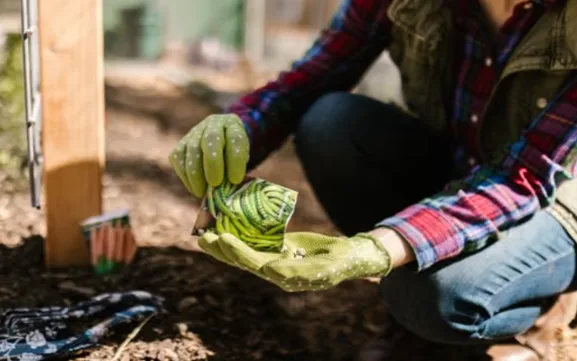
You spread fresh grass seed across your lawn, water it regularly, and wait for new growth. A few weeks later, some areas appear green, while others remain bare. Why is your lawn growing unevenly despite using the same seed throughout?
The problem may lie in seed placement. Seeds left exposed on the surface can dry out, wash away in heavy rain, or fail to reach the soil beneath. Even frequent watering can’t fix poor placement.
Good seed placement provides optimal conditions for germination and early grass growth. With proper soil preparation, it can help make new grass more even. Let’s look at how seed placement affects grass growth and helps create a healthier lawn.
1. Creates Better Seed-to-Soil Contact for Germination
Grass seeds must come into direct contact with soil to absorb moisture and germinate. Seeds dropped on heavy thatch or existing grass may not get to the soil. Proper soil preparation and professional seeding services can solve this issue by ensuring correct placement and ideal germination conditions.
To address this, use the slit seeding method, which involves cutting a narrow groove into the soil with specialized equipment and planting grass seeds into it. These seeds remain in contact with the soil and provide better germination conditions than loose seeds on the lawn.
Another method is core aeration which helps with seeding in compacted soil by opening it up and pulling out small plugs of soil. This allows seeds to sprout in cover crop seedbeds. But don’t plant seeds too deep. Planting at the correct depth for your grass type will promote establishment.
2. Improves Moisture Access for New Grass Growth

No matter how well you place the seed, it will not germinate without adequate moisture. In warm or windy weather, seeds will dry rapidly on uncovered surfaces. Sowing at the correct depth ensures contact with damp soil. This enables them to absorb moisture in preparation for germination.
Soil conditions also affect moisture availability. Compacted soil can hinder water flow and make it challenging to provide adequate growing conditions. Aeration improves seed-to-soil contact in overseeding and helps break down soil compaction, allowing water to enter the ground more easily.
Rough up dry soil the day before aeration to help equipment plow with ease. Keep seedlings constantly moist, but not so wet that they waterlog the upper soil surface. Slowly increase watering once seedlings have taken root to promote deeper rooting.
3. Supports Stronger Root Development
Good grass needs roots that can reach moisture, nutrients, and space to grow. Placing the seed properly allows young roots to reach the soil shortly after germination.
Nevertheless, when seeds germinate, compressed soil might inhibit root growth. This can limit new grass’s ability to take in water and nutrients.
Aeration, combined with overseeding, will provide a favorable environment for new grass to grow in an existing lawn. Another benefit is that they may improve soil health and increase nutrient availability and root growth.
When used with core aeration, these treatments can create a more appropriate growing environment for new grass. Nevertheless, placement is not the only factor in healthy roots. Soil conditions, regular watering, and early lawn maintenance also support grass growth.
4. Encourages Thicker and More Even Grass Coverage
Uneven seed distribution often produces patchy grass growth. Excessive seeding can cause seedlings to compete for water, nutrients, and growing space. Meanwhile, a lower seeding rate can result in a sparse stand.
Consistent seed placement helps distribute new grass across the lawn more evenly, and spreading seed in two directions can help improve coverage. It also helps to minimize overcrowding during early establishment.
Overseeding is especially helpful if parts of your lawn are thin but still have good grass. Seeding can fill in openings and increase turf density when desired.
Another option is slit seeding, which involves seeding into shallow furrows. This can help spread seed and soil, but it can be less effective than surface seeding.
But more seeds do not necessarily mean thicker grass. If you follow seeding rates, you can prevent over-seeding and insufficient spacing for seedlings.
5. Reduces Seed Loss for Successful Lawn Establishment
Grass seeds scattered loosely across the soil surface face several risks before they germinate. Heavy rain can wash them into low areas, while wind, birds, and foot traffic may move them away. Proper placement helps reduce these losses by keeping seeds closer to the soil.
Slit seeding adds protection by depositing seeds into shallow grooves rather than leaving them fully exposed. This improves soil contact and can reduce seed movement. Overseeding after suitable lawn preparation can also support establishment, especially when the existing turf is thin.
However, placement alone cannot prevent every problem. Excessive watering can still displace seeds, while frequent foot traffic may disturb young seedlings. Water gently, limit unnecessary lawn activity, and monitor newly seeded areas. These steps help protect developing grass until its roots become established.
Conclusion
Successful grass growth begins with proper seed placement. Where seeds settle affects their contact with soil, access to moisture, root development, and ability to establish evenly.
If your lawn has bare patches or compacted soil, simply spreading more seeds may not solve the problem. Preparing the ground and choosing the right seeding method can make a meaningful difference.
Core aeration, overseeding, and slit seeding can each improve your lawn when used under the right conditions. Combined with proper watering and early maintenance, these practices help new grass develop stronger roots and more consistent coverage. The result is a healthier, thicker lawn that can continue improving over time.