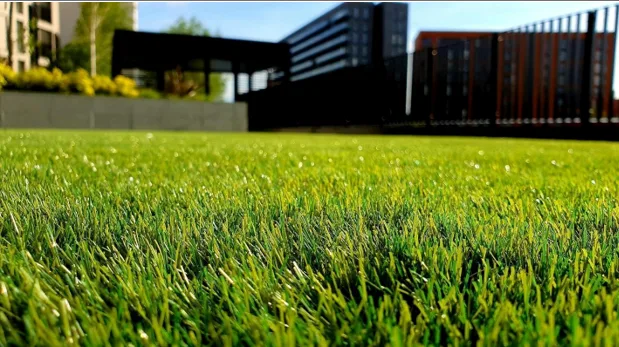
Lawn care in Omaha is pretty difficult owing to harsh climate conditions. The summers are characterized by alternating hot, humid spells and dry days, whereas winter brings severe frosts that can damage even mature turf. This is exactly why so many lawns in Omaha end up being thin and patchy, or infested with crabgrass mid-summer.
The thinness of a lawn results from a combination of several factors in lawn maintenance. This mostly includes: cutting grass too short, watering at the wrong times, failing to aerate, and improper fertilization, not taking into consideration the specifics of Omaha soils, which are primarily clay.
Therefore, creating dense turf requires a strategy tailored to the region’s specific conditions, rather than a standard national formula. Moreover, a dense lawn is more practical for homeowners, as it inhibits weed growth, is more resistant to drought, and regenerates faster after being trodden on and from pet traffic.
Here’s what actually goes into building that kind of lawn in Omaha.
1. Build a Program Around Local Soil and Climate
Instead of starting with a generalized fertilization schedule, Omaha lawn care professionals first assess the property’s specifics. Nebraska’s clay-heavy soils, fluctuating rainfall, and freeze-thaw winters all affect how grass grows and how quickly it recovers from stress.
Soil testing is the foundation. This provides a clear picture of pH and nutrient content, thus allowing the development of an appropriate fertilizing program tailored to the growing period and grass type, and determining the rate of nitrogen application.
A program tailored this way decides whether a lawn thickens up or keeps thinning year after year, and a good provider adjusts the plan as conditions change from season to season.
2. Use Professional Core Aeration
Compaction is one of the most common causes of thinning turf, and Omaha’s clay makes it worse. University of Nebraska extension educators point out that many Nebraska soils are high in clay and silt and prone to compaction, and that hollow-tine core aeration is the most effective fix for these soils.
Spike-style tools can actually increase compaction between the holes. Professionals use commercial hollow-tine aerators that pull plugs of soil from the lawn, and they schedule the work while cool-season grasses are actively growing. Severely compacted lawns may be aerated more than once a year.
The open channels let roots spread, water soak in, and later fertilizer applications work better. Commercial machines also cover the ground more consistently than a typical rental unit.
3. Overseed With the Correct Seed at the Correct Time
Immediately after the aeration process, professionals overseed. The fresh seed is immediately placed into the open channels, covering any bare or thinning patches without requiring existing grass to grow to cover them.
Timing is important. According to turf experts in Nebraska, cool-season grasses should be overseeded in Eastern Nebraska from mid-August through mid-September, as conditions there are cooler and there are fewer weeds to compete with.
Professionals also choose a seed blend suited to each site’s sun, shade, and traffic, apply it at the correct rate, and provide clear watering guidance to keep the seed moist through germination. Kentucky bluegrass is slow to sprout, so a planned schedule and follow-up matter. Quality seed also tends to outperform bargain mixes sold at big-box stores.
4. Sequence Fertilization by Season
Fertilizer builds density only when the amount and timing are right. Too much spring nitrogen pushes fast top growth without root development, while too little leaves weak grass that can’t compete with weeds.
Professionals spread applications across the year: lighter feedings in spring, and heavier ones in fall, so the turf stores nutrients for winter. They also choose slow-release products where they fit, which feed grass steadily rather than in a short burst.
This seasonal sequencing, rather than a single flat schedule, is what lets turf keep thickening instead of plateauing. Because they track each lawn’s history, they can also adjust rates when a yard responds well or needs extra help.
5. Control Weeds Before They Take Hold
Weeds find their way into empty spots left by stressed-out grass, which is why professionals start by focusing on prevention. Pre-emergent treatments prevent crabgrass and other weeds from emerging, while post-emergents control any weeds that do emerge.
Timing is key when it comes to this one, too. Pre-emergents have to be applied during a brief window in spring, which requires professionals who can interpret soil temperatures. Plus, they apply products using calibrated equipment, and only when the weeds are at the proper life stage.
This way, they can care for the grass while avoiding unnecessary lawn treatments. Fall overseeding fills in gaps that would otherwise invite weeds.
6. Monitor for Insects and Disease Before Damage Spreads
Thin turf and pest problems feed each other. Grubs and chinch bugs damage root systems, creating more bare ground, and fungal disease spreads quickly through weakened turf. Trained technicians look for early signs of insect activity and disease on each visit, and they treat problem areas before damage spreads across the yard.
They can tell the difference between drought stress, disease, and insect injury, which often look alike to the untrained eye. Catching these issues early protects the density that aeration, seeding, and fertilization work to build.
Final Thoughts
Thick turf results from several professional techniques that work together, namely, soil planning, aeration, overseeding, fertilizing on a seasonal basis, weed prevention, and early pest and disease control. All these elements complement each other.
Homeowners who rely on a professional program instead of reacting to problems as they appear tend to see steady improvement year after year, rather than the same thin patches returning every summer. This results in healthier, thicker, and more durable lawn through the season in Nebraska conditions.