How High-Angle Football Filming Improves Coaching, Player Development, and Game Analysis
Introduction
Football has become increasingly dependent on video analysis at every level of competition. Coaches, trainers, and athletic programs now rely on detailed footage to evaluate performance, study opponents, and improve player development throughout the season. Traditional sideline recording methods often fail to capture the complete structure of the field, making it difficult to analyze formations, spacing, and movement patterns accurately. As football strategies continue to evolve, the demand for better visual perspectives has grown significantly among schools, clubs, and professional organizations.
High-angle filming has emerged as one of the most effective ways to improve football analysis. Elevated recording positions provide coaches with a broader and clearer view of the field, allowing them to study both offensive and defensive execution in greater detail. Portable camera systems have also made advanced filming more accessible for teams that may not have permanent stadium infrastructure. From practices to game-day preparation, high-angle footage plays an important role in modern football operations and long-term athlete development.
Why Coaches Need Better Field Visibility During Games
Football is a sport built around positioning, spacing, timing, and coordinated movement. Coaches must evaluate how players react to formations, adjust to defensive pressure, and maintain discipline throughout each play. Standard sideline footage often creates blind spots that prevent coaching staff from fully understanding what happened during critical moments of the game. Players standing near the camera can obstruct views, and narrow recording angles may fail to capture the entire field.
Better field visibility allows coaches to see the development of plays from start to finish. Offensive coordinators can evaluate route timing and blocking assignments, while defensive coaches can analyze coverage adjustments and pursuit angles. This broader perspective helps coaching staff identify mistakes that might otherwise go unnoticed with lower-angle footage.
Improved visibility also supports more effective halftime adjustments and postgame reviews. Teams that consistently record games from elevated positions often gain a clearer understanding of player performance and tactical execution. This level of detail helps coaches make informed decisions while creating more productive film sessions throughout the season.
Understanding the Strategic Advantage of End Zone Filming
High-angle football recording has become a standard part of competitive football because it provides a strategic perspective that sideline footage cannot match. Coaches depend on overhead views to evaluate spacing between players, formation alignment, and overall team structure during each play. An elevated camera position captures the entire field more effectively, giving analysts a complete understanding of how offensive and defensive systems operate in real time.
From the offensive perspective, coaches can review line protection, route concepts, and running lanes with greater accuracy. Defensive staffs benefit by studying coverage rotations, gap responsibilities, and pursuit discipline. This wider viewpoint allows teams to identify communication breakdowns, missed assignments, and alignment issues more efficiently during film study sessions.
High-angle recording is especially useful when preparing for future opponents. Teams can compare formations, tendencies, and adjustments from previous games to improve preparation for upcoming matchups. The ability to review detailed footage from a strategic perspective often creates more disciplined and organized football programs over time.
Key Features That Make a Reliable End Zone Camera System
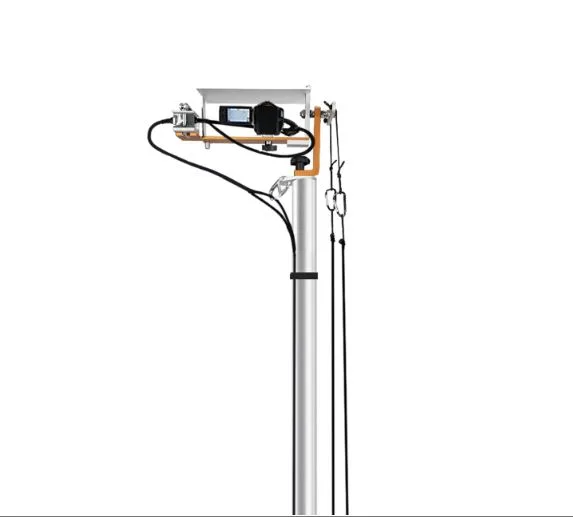
Modern football programs require recording equipment that is dependable, portable, and capable of producing clear high-angle footage in different environments. A strong filming setup must provide stability, height, and ease of use without creating unnecessary complications for coaching staff or volunteers. This is where a quality end zone camera setup becomes essential for schools and athletic programs looking to improve football analysis.
Companies such as Hi Rise Camera specialize in advanced portable filming solutions designed for capturing elevated sports footage. According to the company’s focus on delivering high-angle and aerial photo and video coverage for games, events, and sports projects, their products help teams record action from clearer and more strategic perspectives. A dependable end zone camera system should provide quick setup capabilities, reliable stability during outdoor conditions, and compatibility with modern cameras and streaming technology.
Portability also plays a major role in football filming. Many teams travel regularly throughout the season and need equipment that can be transported efficiently between venues. Lightweight systems with fast assembly features help coaches and staff prepare for games without wasting valuable time before kickoff. Durable construction is equally important because football filming equipment must withstand changing weather conditions, repeated travel, and long-term outdoor use during practices and games.
How Elevated Football Footage Helps Player Development
High-angle football footage provides athletes with a clearer understanding of their individual performance and overall team responsibilities. Players often learn more effectively when they can visually review their positioning, decision-making, and movement during actual game situations. Film sessions become more productive because athletes can see exactly how plays developed and where adjustments are needed.
Quarterbacks benefit from elevated footage because they can study defensive coverages and passing windows more clearly. Reviewing overhead angles helps them understand how defenses shift before and after the snap, improving decision-making under pressure.
Offensive linemen gain a better perspective on blocking assignments and leverage techniques. Coaches can pause footage to demonstrate proper footwork, hand placement, and positioning against defensive fronts.
Defensive players can evaluate pursuit angles, tackling discipline, and coverage communication more effectively. High-angle recording makes it easier to identify gaps in defensive alignment during both practices and games.
Younger athletes often improve faster when they receive detailed visual instruction. Seeing mistakes and corrections directly on film reinforces coaching points in a way that verbal instruction alone cannot accomplish.
Teamwide communication also improves during film sessions because players can review formations and responsibilities together. This creates stronger accountability and a better understanding of how individual actions affect overall team performance.
Common Filming Mistakes That Hurt Game Analysis
Even with modern recording technology, poor filming practices can reduce the value of football footage. Listed below are some of the most common filming mistakes that can hurt game analysis:
- One of the most common mistakes involves recording games from angles that fail to capture the full width and depth of the field. When coaches cannot clearly see formations or spacing, important tactical details may be lost during analysis sessions.
- Unstable camera setups also create major problems for football programs. Shaky footage makes it difficult to follow player movement and can limit the effectiveness of film breakdown sessions. Consistent stability is essential for producing reliable footage that coaches can study throughout the season.
- Another common issue involves inconsistent camera positioning during games. Frequent zoom adjustments or improper framing may cause key moments to be missed entirely. Camera operators should maintain a wide and steady view that captures the complete development of each play whenever possible.
- Weather conditions can create additional filming challenges. Wind, rain, and uneven terrain may affect equipment stability if systems are not designed for outdoor sports use. Proper preparation before games helps teams avoid technical issues that could reduce recording quality during important matchups.
The Role of Technology in Modern Football Video Capture
- Advancement in football video technology: Football video technology has evolved rapidly in recent years, giving teams access to more efficient and flexible recording options.
- Portable high-angle systems: Portable elevated filming systems now allow schools and athletic programs to capture professional-quality footage without relying on permanent stadium structures or expensive production crews.
- Digital analysis platforms: These platforms enable coaches to review plays frame by frame, organize footage by formation, and share clips with players remotely, improving communication throughout the season.
- Livestream integration: Modern filming systems increasingly support real-time broadcasting, allowing fans, parents, and recruiters to watch games from different locations.
- Lightweight camera systems: New portable systems have replaced many older fixed setups, offering greater flexibility for practices, away games, and multi-sport athletic programs.
- Cloud storage and video management: Cloud-based tools help teams organize film libraries efficiently, allowing coaches to access past games, compare performances, and build long-term development plans.
- Future innovations in sports filming: Emerging technologies like automated tracking and advanced performance analysis software are expected to further improve video capture, with elevated filming remaining central to football strategy and evaluation.
Conclusion
High-angle football filming has become an essential part of modern coaching, player development, and game preparation. Elevated footage gives teams a clearer understanding of formations, spacing, and player movement while improving communication during film study sessions. Coaches benefit from better tactical visibility, and athletes gain more effective visual feedback that supports long-term improvement throughout the season.
Reliable recording equipment also helps schools and sports organizations maintain consistent video quality during games, practices, and recruiting activities. Portable systems provide flexibility for travel teams and smaller athletic programs that need efficient solutions without permanent filming structures. By combining stability, mobility, and advanced camera compatibility, modern football filming systems continue to improve the way teams evaluate performance.
As football strategies become increasingly complex, high-angle recording will remain an important tool for coaches seeking better analysis and stronger player development. Clear, elevated footage allows teams to study the game with greater accuracy and create more informed decisions both on and off the field.