How Streaming Has Changed the Way We Watch Football
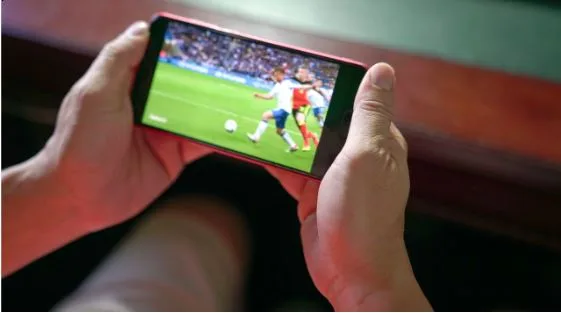
Football fans today watch games very differently than they did ten years ago. Back then, you had to sit in front of a TV at a fixed time or miss the match. Now, you can watch from your phone, laptop, or tablet. Streaming has changed everything. So, let us look at how this shift happened, what it means for fans, and where things are headed.
The Old Way of Watching Football
For a long time, cable and satellite TV controlled football broadcasting. Big channels paid huge amounts of money to show matches. Fans had to pay for expensive packages just to watch their favourite team. If you missed a game, you either waited for the highlights or heard about it from a friend. There was no easy way to catch up. This was frustrating, especially for fans living outside their home country. They had very few options. Most of the time, they just gave up and checked the score online.
Then Streaming Arrived
The rise of streaming platforms changed the game. Services started offering live sports alongside movies and shows. Suddenly, fans had more choices. They could watch games on demand, rewind, and even pause live matches. This was a big step forward. Moreover, prices were often lower than a full cable package. So, many fans switched. They found it easier and cheaper.
However, not all streaming services offered the same quality. Some had buffering problems. Others had limited coverage. As a result, fans often used more than one platform to get full coverage of leagues they cared about. Still, the shift was clear. Streaming was here to stay.
How Fans in Developing Countries Benefited
One of the biggest impacts of streaming has been felt in places like Africa, South Asia, and the Middle East. In the past, fans in these regions had very limited access to top European football. Only a few channels showed big matches, and those channels were often expensive. Because of this, millions of fans missed out.
Streaming changed that. Now, a fan in Senegal or Pakistan can watch a Premier League match live on a mobile phone. All they need is a data connection. This has opened up football to hundreds of millions of new fans. It has also helped clubs grow their global fanbases. A club in England can now have loyal fans in every corner of the world.
The Role of Free Streaming Sites
Alongside paid platforms, free streaming sites also became popular. Many fans, especially those with lower incomes, used these sites to watch matches without paying. While these sites are often illegal, they grew because demand was high and affordable options were limited.
Sites and apps focused on sports coverage stepped in to meet this demand. For fans wanting live scores, match updates, and streaming links in one place, platforms like Koora live became go-to destinations. These platforms give fans quick access to live football from their phones without the need for expensive subscriptions.
The Rise of Mobile Watching
Another big change is how fans watch. Most people now use their phones. Research shows that mobile devices account for a large share of all sports streaming. This makes sense. People are always on the move. They watch during commutes, lunch breaks, and even at work. Because of this, streaming apps had to improve fast. They needed to work well on small screens and slow connections.
Today, most major platforms have strong mobile apps. They offer features like:
- Live match notifications
- Mini-player mode so you can browse while watching
- Offline downloads for highlights and replays
- Multi-language commentary options
These features make the experience much better for everyday fans.
Social Media and Second Screen Watching
Streaming did not just change how fans watch. It also changed how they react. Now, most fans watch with two screens. One for the match. One for social media. Twitter, TikTok, and Instagram explode during big games. Fans share clips, reactions, and memes in real time. This creates a shared experience, even when people are far apart.
Furthermore, platforms have started to notice this. Some now offer built-in social features. You can see what friends are watching or comment during a live stream. This blends the social and viewing experience together. It makes watching football feel more connected and fun.
Challenges That Still Exist
Despite all the progress, some challenges remain. First, internet quality is still a problem in many parts of the world. A slow connection can ruin the experience. Second, rights deals are complicated. A streaming service may show football in one country but not another. This forces fans to use workarounds like VPNs.
Third, there are too many platforms. Fans often feel overwhelmed. To watch all the football they want, they may need three or four different subscriptions. That adds up quickly. Therefore, some fans end up going back to piracy. This is a real problem for the industry.
What the Future Looks Like
Looking ahead, streaming will keep growing. More leagues and clubs are building their own platforms. Technology like 5G will make streaming faster and more reliable. Virtual reality might let fans feel like they are sitting in the stadium from their living room.
Additionally, AI tools will change how matches are presented. Personalised highlights, real-time stats, and smart camera angles are already being tested. In time, every fan might get a watching experience tailored just for them.
Football is a universal language. And streaming has made it easier than ever to hear it. No matter where you are in the world, the game is more accessible today than it has ever been. That is something every football fan should appreciate.