How Tailored Packaging Is Driving Retail ROI in Australia
Retail margins across Australia face unprecedented pressure. With inflation reshaping consumer spending habits and acquisition costs climbing across digital channels, physical retailers can no longer rely solely on traditional marketing channels to build brand recall. Every physical touchpoint must do heavy lifting—starting with the moment a customer completes a purchase.
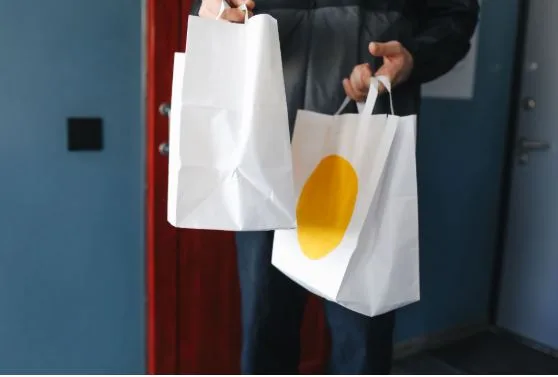
Modern consumers view physical transactions as tactile brand experiences rather than simple monetary exchanges. The modern shopping bag has quietly evolved from a basic container into a mobile billboard, driving organic local exposure and reinforcing brand positioning long after a customer leaves the store.
The Hidden Psychology of Unboxing and Carrying
Packaging directly influences consumer perception of product value. When a customer carries a well-designed, sturdy bag down a busy shopping strip or through a transport hub, it acts as a passive, peer-to-peer endorsement.
This phenomenon rests on three psychological levers:
- Social Proof in Action: High-street shoppers observe what others are carrying. Seeing multiple shoppers holding identical, distinctive packaging creates immediate intrigue and social validation for your retail space.
- Perceived Product Value: A flimsy, generic plastic or unbranded paper bag subtly signals low item value. Conversely, tactile, heavy-grade paper packaging creates a premium sensory association before the item is even used.
- Post-Purchase Reassurance: Quality packaging eliminates buyer’s remorse by framing the purchase as a deliberate lifestyle choice rather than a routine transaction.
For Australian small businesses competing against massive omnichannel brands, these micro-interactions offer a high-yield opportunity to elevate brand presence without recurring digital ad spend.
Strategic Design: Beyond Printing a Logo
To turn everyday packaging into an active marketing vehicle, small businesses must treat design as a strategic discipline rather than an after-thought. Placing a small logo on plain paper rarely captures attention in a crowded retail setting.
Visual Hierarchy and Street-Level Visibility
Your packaging needs to be readable from a distance of three to five meters. Typography should remain clean, bold, and aligned with your store’s visual identity. Color selection is equally critical: high-contrast palettes cut through visual noise in shopping precincts, while subtle earth tones communicate sustainability and artisanal craft.
Material Selection Matters
The substrate you choose speaks volumes about your brand’s operational values:
| Kraft Material | Aesthetic Profile | Ideal Retail Application |
| Raw Brown Kraft | Organic, rustic, sustainable | Wholefoods, boutique bakeries, eco-apparel |
| Bleached White Kraft | Clean, modern, minimalist | Skincare, contemporary fashion, high-end giftware |
| Heavyweight Coated | Luxurious, structured, refined | Premium footwear, jewelry, formal menswear |
Choosing the right substrate ensures structural integrity, ensuring handles hold up under weight while keeping your design crisp throughout the shopper’s journey.
Operationalizing Custom Packaging Without Margin Erosion
Transitioning from off-the-shelf stock to customized collateral requires operational planning to avoid cash-flow bottlenecks. Australian small businesses must weigh run sizes, lead times, and storage constraints before committing capital.
To optimize unit costs without over-leveraging cash flow, consider these operational guardrails:
- Forecast Volume Based on Peak Seasons: Align your primary production runs with Q4 holiday surges or mid-year sales events. Ordering in bulk ahead of high-volume periods reduces cost-per-unit metrics substantially.
- Standardize Dimensions: Limit your packaging lineup to two versatile sizes (e.g., Medium and Large) to streamline inventory management and minimize supplier setup fees.
- Source Locally for Flexibility: Managing inventory locally ensures predictable delivery times and removes the volatility of international freight delays.
When expanding your physical retail footprint, working with suppliers to buy custom paper bags tailored to your precise store specifications allows you to scale packaging orders smoothly alongside revenue growth.
Aligning Packaging with Australian Sustainability Expectations
Australian shoppers actively filter their retail choices through an environmental lens. Standard plastic carries heavy brand baggage, and local legislation continues to ban single-use plastics nationwide. Transitioning to renewable paper packaging is no longer optional—it is a baseline customer expectation.
To maximize the environmental message:
- Highlight Certifications: Display clear FSC (Forest Stewardship Council) labeling or recycling iconography on the base of the bag to reassure eco-conscious shoppers.
- Design for Reusability: Thicker paper GSM (grams per square meter) and reinforced handles encourage customers to reuse the bag for work, gifting, or errands, multiplying your brand’s impression count over weeks or months.
- Use Water-Based Inks: Non-toxic, soy- or water-based inks ensure the packaging remains 100% recyclable in standard municipal council bins.
Communicating these eco-friendly choices authentically builds long-term brand equity without risking accusations of greenwashing.
Turning Packaging into an Omnichannel Bridge
Physical retail packaging does not have to exist in isolation from your digital ecosystem. With a few strategic design additions, your carry bags can drive online traffic, grow email lists, and incentivize secondary purchases.
- QR Code Integration: Place a discreet, styled QR code on the side panel linking directly to a loyalty program signup, exclusive digital catalog, or post-purchase review page.
- Social Handle Prompts: Include a subtle call-to-action (e.g., “Share your style: @YourBrandName”) on the inside flap or bottom insert to encourage user-generated content on Instagram or TikTok.
- In-Bag Offers: Combine branded external packaging with a customized bounce-back card inserted inside, offering a discount on the customer’s next online order.
By connecting the physical post-purchase experience to your digital funnel, you maximize customer lifetime value (LTV) across every touchpoint.
Elevating Your Retail Experience
In an increasingly crowded marketplace, physical packaging remains one of the most cost-effective brand channels available to independent Australian retailers. By moving beyond plain, utility packaging and investing in high-quality, customized paper solutions, you transform every customer into an active brand ambassador.
Assess your current checkout experience today: Does your packaging reflect the quality of the products inside? If the answer is no, refining your packaging strategy may be the missing link in turning one-time buyers into lifelong brand advocates.