The Science of Sustained Cellular Energy for Busy Australians
An estimated 60% of Australian adults report feeling consistently fatigued, citing demanding work schedules, long commutes, and balancing active lifestyles as primary culprits. While the knee-jerk reaction in Australian culture often leans toward an extra espresso or an afternoon flat white, stimulants merely mask exhaustion rather than resolving it. They borrow energy from tomorrow to get through today, inevitably leading to central nervous system burnouts and disruptive sleep cycles.
To achieve genuine resilience and steady physical stamina, we must look deeper than systemic stimulation. True, enduring vitality begins at the microscopic level: within the trillions of biological powerhouses that fuel our bodies every second.
The Mitochondria: Engine Rooms of Human Performance
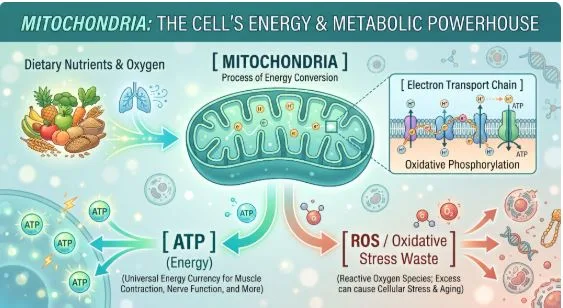
Every cell in the human body relies on mitochondria to produce adenosine triphosphate (ATP), the primary biochemical currency used for everything from muscle contraction to cognitive processing. High-demand organs like the brain, heart, and skeletal muscles are particularly dense with mitochondria.
When functioning optimally, mitochondria convert oxygen and nutrients into clean cellular fuel. However, energy production naturally generates metabolic byproducts known as Reactive Oxygen Species (ROS)—or free radicals.
When ROS production outpaces the body’s internal antioxidant buffers, oxidative stress occurs. This stress damages mitochondrial membranes, degrades ATP output, and manifests physically as brain fog, delayed exercise recovery, and chronic daily lethargy.
The Limitations of Traditional Antioxidants
For decades, wellness advice in Australia focused heavily on oral antioxidants like Vitamin C, Vitamin E, or standard Coenzyme Q10 (CoQ10) to combat oxidative stress. While beneficial for systemic health, traditional molecules hit a biological dead end when trying to protect cellular powerhouses.
- The Membrane Barrier: Mitochondria are guarded by a double-membrane structure that is notoriously difficult for conventional compounds to penetrate.
- Dilution in the Bloodstream: Standard oral antioxidants disperse broadly throughout the body’s extracellular fluid, leaving only a fraction of the dose to reach target tissues.
- Lack of Charge Targeting: Because the inner mitochondrial matrix maintains a strong negative charge during ATP synthesis, standard neutral molecules lack the electrochemical draw required to cross into the organelle.
For individuals seeking a targeted approach to daily stamina, incorporating a advanced mitochondria supplement for daily energy and cellular vitality support offers a way to bypass these absorption barriers. By utilizing positively charged lipophilic cations, advanced mitochondrial-targeted antioxidants are electrochemically pulled directly into the inner membrane—accumulating right where free radical waste is generated.
Four Pillars for Optimizing Cellular Vitality
Supporting mitochondrial density and efficiency requires a multi-faceted approach combining lifestyle protocols with targeted nutrition.
| Pillar | Mechanism | Practical Action |
| Targeted Nutrition | Supplies targeted antioxidant support directly to inner membranes. | Take targeted mitochondrial formulations daily on an empty stomach. |
| Zone 2 Cardio | Stimulates mitochondrial biogenesis (creating new cellular engines). | 150–180 minutes per week of low-intensity running, cycling, or swimming. |
| Thermal Stress | Triggers heat/cold shock proteins that clear out damaged mitochondria. | Weekly sauna sessions or short cold exposure routines post-workout. |
| Circadian Alignment | Regulates mitochondrial clock genes controlling night-time repair. | Get 15 minutes of direct morning sun without sunglasses. |
1. Exercise-Induced Biogenesis
Cardiovascular training performed in “Zone 2” (a conversational pace where heart rate remains moderate) forces the body to rely primarily on fat oxidation. This workload signals the cell to build additional mitochondria to handle the demand, effectively increasing your overall energy ceiling.
2. Circadian Rhythm Synchronization
Mitochondrial function ebbs and flows according to light exposure. Sunlight entering the retina early in the morning regulates melatonin suppression and signals to your cells that it is time to ramp up ATP production. Conversely, late-night blue light exposure confuses cellular clock genes, hindering the crucial repair processes that happen while you sleep.
3. Targeted Cellular Antioxidants
While exercise builds more mitochondria, targeted supplementation protects the ones you already have. Reducing internal oxidative stress allows cellular repair mechanisms to work efficiently, helping preserve cardiovascular function and physical endurance as you age.
Sustained Vitality Over Temporary Caffeine Spikes
Shifting your health focus from surface-level stimulants to foundational cellular care changes how your body responds to daily stress. Rather than riding the wave of energy spikes and crashes, optimizing mitochondrial performance establishes a high baseline of natural, steady energy throughout the day.
By pairing consistent sleep hygiene and Zone 2 physical training with targeted mitochondrial support, you equip your body at the most fundamental level—allowing you to meet the demands of a busy lifestyle with clarity, resilience, and lasting vitality.