How the Demand for Bespoke Craftsmanship is Reshaping Modern Fashion
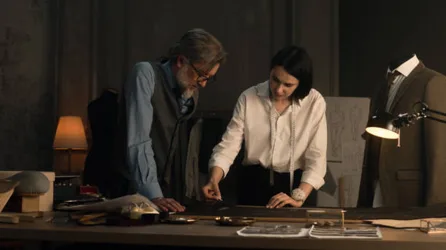
The modern wardrobe is undergoing a profound transformation. Gone are the days when obvious designer logos and mass-produced accessories were the ultimate symbols of status. Today’s consumers are increasingly mindful of their purchases, seeking out pieces that offer longevity, ethical production, and a genuine personal connection. This mirrors a broader lifestyle shift where the reasons why sustainable fashion is becoming popular are deeply tied to shoppers prioritising high-quality, durable materials and timeless styles over cheap, mass-produced alternatives. This same desire for mindful consumption is now redefining the global accessories market, encouraging shoppers to look for items that hold deeper meaning.
The Psychology Behind Personalised Luxury
At the core of this movement is a fundamental change in how buyers define value. Industry analysis shows that the meaning of luxury is actively evolving from basic social validation towards an individual focus on self-actualisation. People no longer want to simply wear what everyone else is wearing. Instead, they actively seek items that resonate with their personal fulfilment and tell their own unique stories. This shift is particularly prominent in the realm of premium accessories and lifestyle investments.
This psychological shift is incredibly evident in the way people mark major life milestones. Rather than settling for off-the-shelf designs, a growing number of individuals are turning to studios that craft unique custom jewelry to celebrate engagements, anniversaries, and personal achievements. By participating in the design process, the buyer transforms a simple accessory into a meaningful heirloom that perfectly captures their individual narrative. This collaborative effort ensures the final product is completely distinct from mainstream retail offerings and holds sentimental value for generations.
Key Drivers of the Bespoke Boom
The global bespoke jewellery market is experiencing unprecedented growth, projected to expand from $38 billion in 2024 to a staggering $65 billion by 2032. Several key factors are driving this rapid evolution in consumer behaviour across the globe:
- Demographic Shifts: By 2030, Millennials and Gen Z are expected to account for over 60% of total global luxury spending. These younger demographics strongly prefer narrative-driven goods and expect personalised interactions from brands as a mandatory baseline rather than an optional perk.
- Technological Advancements: The integration of advanced manufacturing technologies, such as computer-aided design (CAD) and 3D printing, has entirely democratised the bespoke process. Independent artisans can now offer highly intricate designs directly to individual buyers with exceptional precision.
- The Slow Fashion Mindset: Reflecting a broader eco-conscious mindset, 73% of millennials and 64% of Gen Z prefer to invest more in ethically made, high-quality purchases explicitly designed to last a lifetime. Custom pieces naturally align with this sustainable ethos by eliminating mass-production waste.
Thailand’s Role as a Global Craftsmanship Hub
As the demand for individualised luxury grows, certain regions are emerging as critical players in the bespoke market. The Asia Pacific region is rapidly expanding its luxury footprint, accounting for roughly 32% of the global luxury jewellery market share in 2025. Much of this regional growth, according to insights from Bain & Company, is fuelled by rising disposable incomes and changing cultural expectations around milestone gifting.
Within this region, Thailand stands out as a dominant force. The country’s gem and jewellery sector remains a massive economic driver, ranking as its third-largest export category in 2025 with a total value exceeding $26.5 billion. Cities like Bangkok and northern artisanal hubs such as Chiang Mai have solidified their positions as global centres for bespoke production. These areas seamlessly blend deep-rooted local goldsmithing heritage with modern aesthetic sensibilities to meet international demands.
Thailand’s highly skilled labour force and direct access to raw materials allow local studios to integrate traditional hand-crafting discipline with modern sustainability practices. A 2025 academic study on the local SME gem industry revealed that exceptional personalised service and product innovation are the primary drivers of long-term customer trust. This unique combination appeals directly to the eco-conscious modern buyer who values both the ethical origin and the exclusivity of their accessories.
A New Era of Meaningful Investment
The modern fashion landscape is being redefined by a widespread desire for authenticity and longevity. As the disparity between rising retail prices and a lack of true product uniqueness pushes mid-tier buyers away from mass-produced items, bespoke craftsmanship offers a highly compelling alternative. Whether through tailored clothing or individually designed accessories, the future of fashion is undoubtedly personal.
Consumers are no longer just buying products; they are investing in their own unique stories. By championing artisans and studios that prioritise bespoke creations, shoppers are ensuring that true luxury remains an intimate expression of individuality for generations to come. This approach not only supports traditional craftsmanship but also fosters a more sustainable and thoughtful approach to personal style.