Key Trends Driving Foreign Investment in Thailand Premium Real Estate
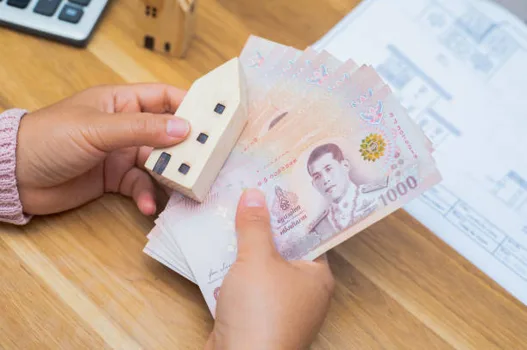
Thailand’s real estate market in 2026 presents a fascinating landscape for international investors. As global economic tides shift, overseas buyers are actively re-evaluating their portfolios, increasingly moving away from speculative mass-market properties in favour of secure, blue-chip assets. The premium property sector in Southeast Asia, particularly within Thailand, has emerged as a major beneficiary of this flight to quality, driven by wealthy expats and global professionals seeking both lifestyle benefits and reliable wealth preservation.
Shifting Tides in Foreign Demand
Over the past year, the broader property landscape has experienced notable fluctuations. Broadly speaking, the mass market has faced headwinds, and recent data shows that overall condominium sales to foreigners experienced a sharp downturn in the first quarter due to wider domestic and global economic conditions. However, a closer look at the market reveals a profound divergence between standard residential units and ultra-premium real estate.
Affluent investors from the Middle East, Japan, and Russia are injecting substantial capital into the high-end sector. According to the Real Estate Information Center, international buyers poured approximately 28.7 billion baht into Thai condominiums during the first half of 2025 alone. This capital is disproportionately concentrated on high-yield luxury assets rather than standard units. Reflecting this momentum, analysts at Markntel Advisors project that Thailand’s luxury residential sector will reach a valuation of 88 billion US dollars by 2030, supported by a compound annual growth rate of 3.49 per cent.
Urban Scarcity and Blue-Chip Investments
The sheer scarcity of prime land in highly prestigious business and lifestyle districts has sharply increased development costs. Areas like Lumphini, Langsuan, and Sarasin have very little room for new projects, which narrows the pipeline of fresh supply and drives up the intrinsic value of existing premium assets. In fact, late 2026 forecasts from Savills suggest that ultra-luxury prices could soon surpass one million baht per square metre in the most exclusive neighbourhoods of the capital.
For international investors seeking enduring property assets, a Bangkok luxury condo represents an ideal blend of lifestyle benefits and reliable rental yields. Riverfront developments and central high-rises cater specifically to high-net-worth expats who demand world-class amenities, integrated wellness facilities, and unparalleled connectivity to the city centre.
The statistics strongly support this urban investment thesis. According to CBRE’s recent market outlook, the downtown luxury and super-luxury residential condominium segments have achieved a 93 per cent sales rate for existing supply, with average asking prices expected to increase by up to 15 per cent year-over-year. This phenomenal level of absorption, even for off-plan super-luxury projects that are currently hitting an 85 per cent sales rate prior to completion, underscores the aggressive demand for top-tier urban properties.
Primary Factors Influencing High-Net-Worth Buyers
Beyond the fundamental appeal of the Thai lifestyle, several structural and economic pillars are actively encouraging wealthy global professionals to secure permanent luxury bases in the country. The most significant drivers include:
- Massive Infrastructure Expansion: Long-term property value appreciation in Greater Bangkok is heavily supported by nearly 4,000 billion baht in government infrastructure investments made over the past decade. The continuous expansion of massive urban transit networks ensures that central properties remain highly connected and desirable.
- Rise of Branded Residences: Properties managed by international hospitality chains have become a primary target in 2026. Affluent overseas buyers prefer these developments because they offer standardised service quality, integrated amenities, and stronger resale confidence compared to standalone projects.
- Supportive Legal and Visa Frameworks: The Thai Condominium Act provides a highly secure legal pathway, allowing foreign nationals to own condo units outright on a freehold basis, provided the foreign quota does not exceed 49 per cent of the building’s saleable area. To secure this freehold title, international buyers must simply provide documentation proving that purchase funds were remitted into Thailand from a foreign bank account in a foreign currency.
- Residency Incentives: The government’s Long-Term Resident visa programme continues to act as a significant catalyst for overseas investment, offering a 10-year residency track that heavily incentivises wealthy expats to establish a long-term presence.
The evolution of Thailand’s premium property market in 2026 highlights a mature, sophisticated investment landscape. While the broader housing market may experience periods of stabilisation, the luxury tier remains insulated by strict supply constraints, robust infrastructure developments, and an influx of international wealth. For overseas buyers with a strategic outlook, premium urban real estate in Thailand continues to offer a compelling mix of capital preservation, lifestyle elevation, and sustained appreciation.