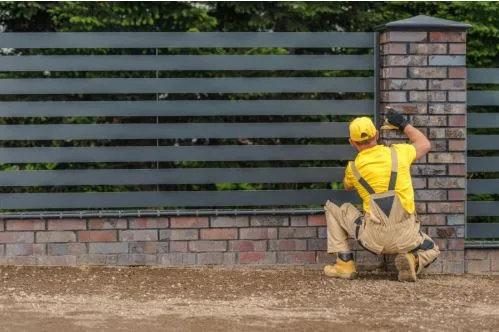
How to Build a Privacy Fence in 2026: Step-by-Step Guide, Materials, Costs & Pro Tips
If you’re researching how to build a privacy fence, you’re likely looking to improve backyard privacy, enhance security, or increase property value. A well-built privacy fence can block noise, create clear boundaries, and add curb appeal. While the project is manageable for experienced DIYers, it requires careful planning, proper materials, and structural precision to ensure long-term durability.
This guide walks through each step of building a privacy fence in 2026, including planning, materials, installation, cost expectations, and when hiring professionals may be the smarter choice.
Step 1: Plan Your Privacy Fence Project
Before digging your first post hole, preparation is critical.
Check Local Zoning Laws and HOA Rules
Most municipalities limit fence height to 6 to 8 feet in residential areas. Some neighborhoods also require permits or HOA approval. Confirm:
- Maximum allowed height
- Required setbacks from sidewalks
- Corner lot visibility regulations
- Gate placement restrictions
Failing to verify these rules can result in costly adjustments later.
Call Before You Dig
Always contact your local 811 service to mark underground utilities. Striking a gas or electrical line is dangerous and can lead to expensive repairs.
Choose Your Fence Material
Material selection impacts both cost and longevity. Common options include:
- Cedar, naturally resistant to rot and insects
- Pressure-treated pine, affordable but requires sealing
- Vinyl, low maintenance with higher upfront cost
- Composite, durable and moisture resistant
Wood remains one of the most popular choices for traditional privacy fencing due to its balance of affordability and appearance.
Step 2: Gather Tools and Materials
Having the right tools simplifies the process and improves accuracy.
Tools You’ll Need
- Post hole digger or power auger
- Level
- Measuring tape
- String line
- Circular saw
- Drill or impact driver
Materials Required
- 4×4 or 6×6 fence posts
- Concrete mix
- Gravel
- Horizontal rails
- Fence pickets or panels
- Exterior-grade screws or nails
Using exterior-rated fasteners prevents rust and structural weakening over time.
Step 3: Mark and Set Fence Posts
Post installation is the foundation of your privacy fence. Mistakes at this stage affect everything that follows.
Measure and Mark Post Locations
Standard spacing between posts is 6 to 8 feet. Use stakes and string lines to keep your fence straight and evenly aligned.
Dig Proper Post Holes
Post holes should generally be 24 to 36 inches deep, depending on your region’s frost line. A wider base adds stability. Add a few inches of gravel at the bottom for drainage.
Set Posts in Concrete
Place the post in the hole, check for plumb alignment with a level, then pour concrete around it. Allow at least 24 to 48 hours for the concrete to cure fully before attaching rails.
For homeowners who prefer guaranteed alignment and structural stability, working with an experienced Fence Company can help ensure posts are set correctly, particularly in areas with shifting soil or strong wind exposure.
Step 4: Install Rails and Panels
Once the posts are secure, you can attach the horizontal support system.
Attach Horizontal Rails
Most privacy fences use three horizontal rails: top, middle, and bottom. Secure rails evenly between posts using exterior-grade screws.
Check alignment frequently to maintain a straight fence line.
Install Pickets or Panels
For full privacy, install pickets tightly together. Popular styles include:
- Standard side-by-side boards
- Board-on-board overlapping design
- Preassembled fence panels
Ensure consistent spacing and secure fastening to prevent future warping or movement.
Step 5: Finishing and Protection
Proper finishing extends the life of your fence.
Install Gates and Trim
Gate framing must be square and reinforced to prevent sagging. Use heavy-duty hinges rated for exterior weight loads.
Trim excess picket height for a clean, professional appearance.
Seal or Stain the Fence
If using wood, allow it to dry fully before applying stain or sealant. Protective coatings guard against moisture damage, UV exposure, and rot.
Reapply sealant every few years to maintain durability.
How Much Does It Cost to Build a Privacy Fence in 2026?
Cost varies based on materials, property size, and whether you build it yourself or hire professionals.
DIY Cost Per Linear Foot
In 2026, homeowners can expect to spend approximately:
- $15 to $45 per linear foot for materials
Higher-end woods, decorative elements, or composite materials increase total cost.
Professional Installation Costs
Hiring professionals increases upfront investment but includes labor, equipment, and often workmanship guarantees. Professional installation is particularly beneficial for:
- Sloped terrain
- Large properties
- Wind-prone regions
- Projects requiring permits
In areas with complex layouts or strict property regulations, installers such as Inline Security Fence can help ensure compliance while handling grading challenges and structural requirements.
Common Mistakes to Avoid
Many DIY fence projects encounter preventable issues. Avoid these common errors:
- Setting posts too shallow
- Failing to add gravel for drainage
- Misaligning posts
- Using interior-grade fasteners
- Ignoring property boundaries
Proper planning prevents expensive corrections later.
When Should You Hire a Professional Instead?
While building a privacy fence is achievable for experienced DIYers, some situations warrant professional help:
- Uneven or sloped terrain
- Large-scale installations
- High wind exposure
- Limited time or tools
- Complicated permitting requirements
Professionals bring efficiency, precision, and structural expertise that can extend the life of your investment.
Final Thoughts
Learning how to build a privacy fence empowers homeowners to evaluate whether a DIY project fits their skills and timeline. The process involves careful planning, precise post installation, quality materials, and weather protection.
Whether you choose the DIY route or professional installation, focusing on structural stability and proper finishing will ensure your privacy fence stands strong for years to come.