How to Choose a Steak Restaurant in Melbourne: What Sets the Great Apart
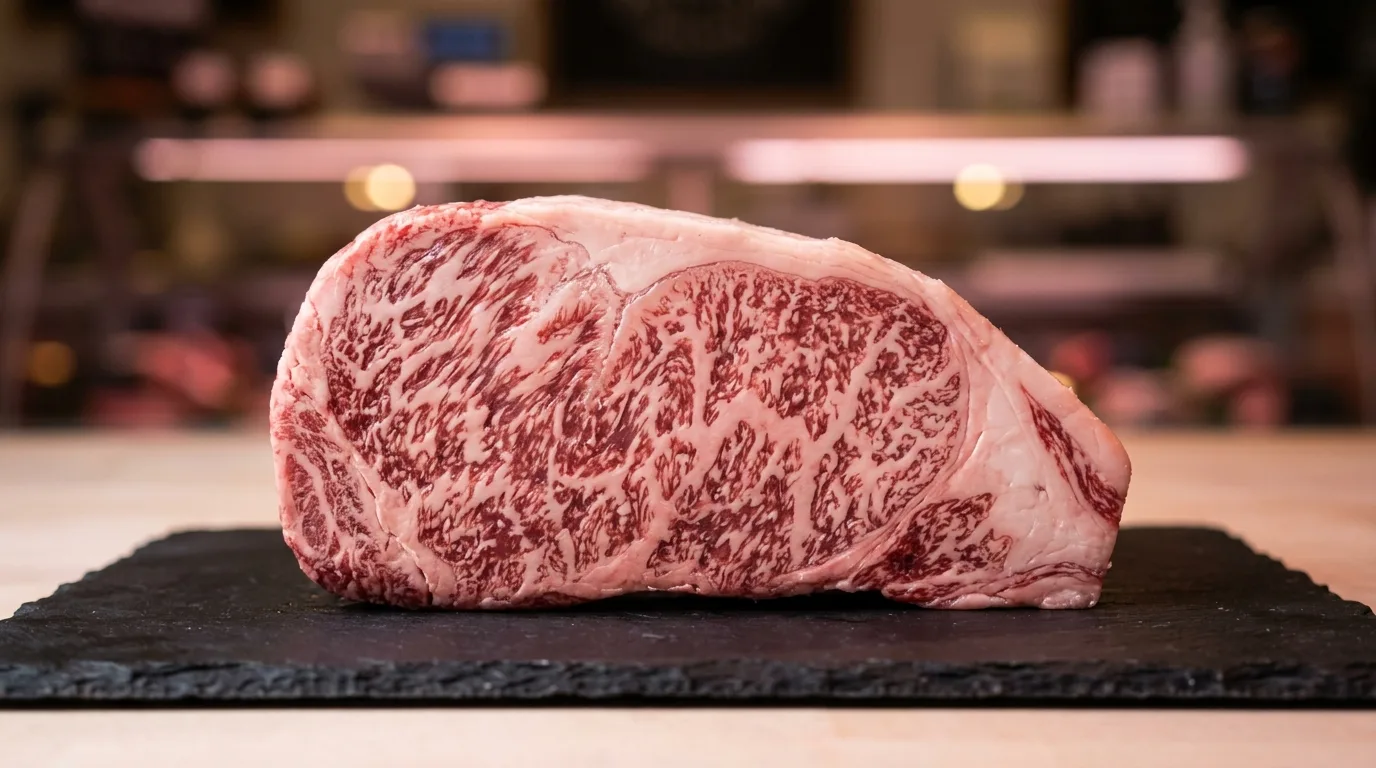
Melbourne is spoiled for places to eat, and steakhouses are no exception. But a plate of steak can range from unforgettable to forgettable depending on details most menus never mention, and knowing what to look for is the difference between a special night and a mild disappointment. If you are weighing up steak restaurants Melbourne has to offer, these are the things that actually separate a great one from an average one.
The good news is that you do not need to be a chef to spot quality. A few signals, visible before you have taken a bite, tell you almost everything.
It Starts With Sourcing and Grading
The best steak restaurants are proud of where their beef comes from, and they tell you. Look for menus that name their producers or specify how the beef was raised, whether grass-fed or grain-fed, and for how many days.
Grass-fed beef, which makes up most of what Australia produces, is leaner with a more mineral, complex flavour. Grain-fed is richer, sweeter and more consistent, with more marbling. Neither is better outright, but a kitchen that knows and states which it serves is a kitchen that cares.
Two quality markers are worth watching for. MSA grading, from Meat Standards Australia, predicts eating quality cut by cut based on tenderness, juiciness and flavour, so it is a strong sign of a reliable steak. Marble score, rated on the Australian scale up to MB9 and beyond, tells you how rich and buttery a cut will be. When a menu offers this detail, it usually reflects a restaurant that takes its beef seriously rather than treating it as just another protein.
The Grill Is Where It Is Won or Lost
Great beef can still be ruined by a careless kitchen, so how the steak is cooked matters as much as where it came from. The mark of a proper steakhouse is a deep, savoury, caramelised crust over a juicy interior, achieved with genuine heat rather than a timid pan.
The single biggest test is doneness. Ask for medium-rare and a good kitchen delivers a warm pink centre every time, cooked to temperature rather than guessed by the clock. Consistency here is everything. A restaurant that nails your doneness on every visit has systems and skill, while one that hits it only sometimes does not. Resting is the quiet companion to this. A steak needs a few minutes off the heat so the juices settle back through the meat, and kitchens that respect that step serve a noticeably better plate.
Many of the best steakhouses also have a signature touch, a house baste, a distinctive sauce or a particular way of finishing the meat, that gives their steak a flavour you cannot get elsewhere. That kind of identity is often a sign of a place that has refined its craft over years.
A Menu With Real Range
A serious steak restaurant offers a spread of cuts, because different diners want different things. You want to see the range covered.
Eye fillet for those chasing pure tenderness. Scotch fillet, the well-marbled ribeye, for richness and big beef flavour. Sirloin, also called porterhouse, for the best balance of tenderness and taste. Rump for an honest, beefy, better-value option. And often a showpiece or two, a T-bone that gives you fillet and sirloin either side of the bone, or a tomahawk built for sharing and for the theatre of it.
The presence of thoughtful sauces, sides and a cut for every appetite signals a kitchen that understands steak is personal. A one-size-fits-all menu rarely satisfies a table of people with different tastes.
The Supporting Cast
Steak does not arrive alone, and the details around it reveal a lot. Look at the sides. Crisp chips, a sharp salad and something with a little acidity exist to balance the richness of the beef, and a good steakhouse treats them as more than an afterthought.
The wine list is another tell. A restaurant that has matched robust reds to its bigger cuts and lighter options to its leaner ones is thinking about the whole experience. And value matters too, not lowest price, but whether the quality, portion and service justify the bill. The best places feel worth it even when they are not the cheapest.
Consistency, Service and Occasion
Anyone can have one good night. An institution has a thousand of them. Consistency is the quality that turns a restaurant into a favourite, and it is why long-running steakhouses earn loyal regulars. If a place has been packed for years, that steady buzz is a signal in itself.
Service should be attentive without hovering, and staff who check that your steak is cooked the way you wanted, and happily fix it if not, reflect a culture that puts the guest first. It is also worth matching the venue to the occasion. Some steakhouses are built for date night with low lighting and an intimate feel, others for celebrations and big group tables, and knowing which you want saves disappointment.
Finally, consider practical needs. Many steak restaurants now cater well for dietary requirements, with gluten-free steaks, sides and sauces, so anyone at the table can eat without compromise. A booking is almost always wise, since the best steakhouses fill up, especially on weekends.
Frequently Asked Questions
What should I look for in a good steak restaurant? Look for transparency about beef sourcing and grading, a kitchen that cooks doneness accurately and consistently, a menu with a range of cuts, thoughtful sides and wine, and reliable service. Consistency across visits is the strongest sign of quality.
What is the difference between grass-fed and grain-fed steak? Grass-fed beef is leaner with a more mineral, complex flavour, while grain-fed is richer, sweeter and more consistent with more marbling. Good restaurants tell you which they serve, and the better choice comes down to your own taste.
What do MSA grading and marble score mean on a menu? MSA grading predicts a cut’s eating quality across tenderness, juiciness and flavour, so it signals a reliable steak. Marble score rates the amount of fat marbling and therefore how rich the steak will be, on an Australian scale up to MB9 and beyond.
Which steak cut should I order? Choose eye fillet for maximum tenderness, scotch fillet for rich flavour, sirloin for the best all-round balance, or rump for a beefy, better-value cut. T-bone and tomahawk are great for those wanting a showpiece or something to share.
Do I need to book a steak restaurant in Melbourne? It is strongly recommended, particularly on weekends and for larger groups, as the most popular steakhouses fill quickly. Booking also lets the restaurant prepare for any dietary needs at your table.