How to Choose the Best Interior Doors for Every Room in Your Home
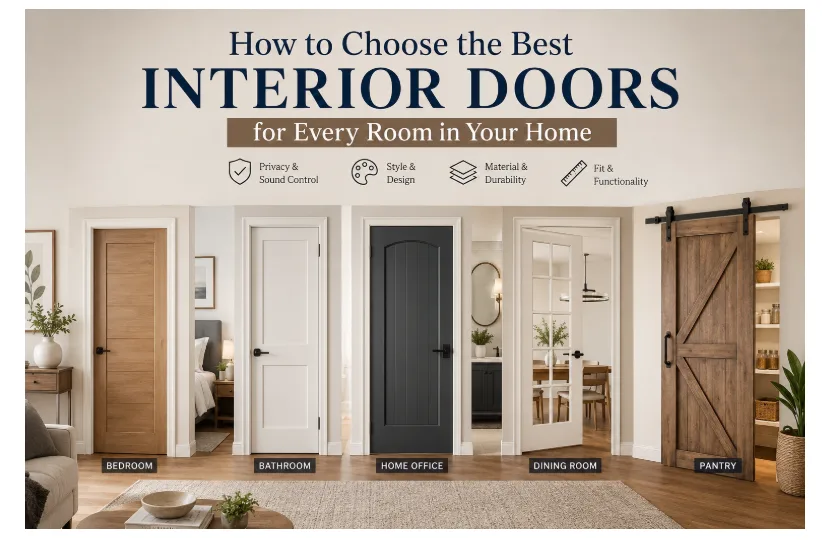
Selecting the right interior doors is one of the most overlooked aspects of home design, yet it has a significant impact on comfort, privacy, functionality, and visual appeal. Every room has different requirements, and choosing the wrong door can affect both the appearance and practicality of your living space. Whether you are building a new home or renovating an existing one, investing in quality interior doors can improve daily living while increasing the overall value of your property.
Today, homeowners have access to a wide variety of materials, finishes, colors, and designs. From modern minimalist styles to classic wooden panels, there are countless options available to match every interior theme. If you are searching for interior doors for sale, understanding what makes a door suitable for each room will help you make a smarter long-term investment.
Understand the Purpose of Every Room
Before selecting an interior door, consider how each room is used. A bedroom requires privacy and sound reduction, while a pantry or laundry room may only need a lightweight and practical option. Matching the door to the function of the room ensures better performance and greater satisfaction.
For example:
- Bedrooms benefit from solid-core doors that reduce noise.
- Bathrooms require moisture-resistant materials.
- Home offices need doors that provide sound insulation.
- Closets often work well with sliding or bi-fold doors.
- Dining rooms may look elegant with glass panel designs.
- Utility rooms prioritize durability over decorative features.
Choosing interior doors for homes based on room functionality creates a balance between style and practicality.
Choose the Right Material
The material of an interior door affects durability, maintenance, insulation, and appearance. Each material offers unique advantages depending on your home’s design and your family’s lifestyle.
Some of the most popular materials include:
- Solid wood for timeless beauty and durability.
- MDF for smooth finishes and affordability.
- Solid-core composite for excellent sound insulation.
- Hollow-core doors for lightweight, budget-friendly applications.
- Glass panel doors for brighter living spaces.
- Aluminum and glass combinations for contemporary interiors.
When comparing interior house doors, consider long-term maintenance along with initial cost. While premium materials may require a larger investment, they often provide better longevity and performance.
Match the Door Style With Your Interior Design
Your doors should complement the architectural style of your home rather than compete with it. Consistency throughout the house creates a polished and coordinated appearance.
Popular styles include:
- Traditional raised panel doors
- Modern flush doors
- Shaker-style doors
- French doors
- Barn doors
- Sliding pocket doors
- Contemporary glass doors
Many homeowners prefer keeping similar doors interior throughout the house while using decorative variations for special spaces such as home offices or master suites.
The finish also plays an important role. White painted doors remain popular because they suit nearly every decorating style, while natural wood finishes create warmth and elegance.
Consider Privacy and Sound Control
Privacy requirements vary from one room to another. Bedrooms, bathrooms, and home offices typically require greater sound reduction than living areas.
Solid-core interior doors provide significantly better sound insulation compared to hollow-core alternatives. Although they are heavier and slightly more expensive, many homeowners appreciate the quieter environment they create.
For spaces where natural light is important, frosted or textured glass inserts can provide privacy while still allowing light to pass between rooms.
Selecting the appropriate interior door for houses involves balancing privacy, lighting, and visual openness according to each room’s purpose.
Think About Space Efficiency
Not every room has enough space for a traditional swinging door. Modern homes increasingly use alternative door systems that maximize usable floor space.
Excellent space-saving options include:
- Pocket doors
- Sliding barn doors
- Bi-fold doors
- Double sliding panels
- Accordion doors
These designs work particularly well for closets, laundry rooms, home offices, and compact bathrooms.
Choosing space-efficient interior doors for houses can make smaller homes feel more open without sacrificing functionality.
Select Hardware That Complements the Door
Door hardware contributes both functionality and style. Even the most attractive door can appear unfinished with poor-quality handles or hinges.
Consider matching hardware finishes throughout the home, including:
- Matte black
- Satin nickel
- Brushed brass
- Oil-rubbed bronze
- Stainless steel
Pay attention to lock types as well. Bedrooms and bathrooms usually require privacy locks, while closets typically need simple passage handles.
High-quality hardware also improves the lifespan of an interior door by ensuring smoother operation over many years.
Don’t Ignore Moisture Resistance
Certain rooms experience higher humidity levels than others. Bathrooms, laundry rooms, and basements require materials that resist swelling, warping, and peeling.
Moisture-resistant MDF and composite materials often perform better than untreated natural wood in these environments.
Proper finishing and sealing also extend the life of interior door for homes installed in humid areas.
Choosing materials suitable for local climate conditions reduces maintenance costs and helps preserve the appearance of your doors.
Balance Budget With Long-Term Value
Homeowners often focus only on purchase price, but lifetime value matters far more. A slightly more expensive door may offer decades of reliable performance while requiring minimal maintenance.
When planning your budget, evaluate:
- Material quality
- Construction method
- Surface finish
- Hardware quality
- Manufacturer reputation
- Warranty coverage
Searching for interior doors for sale should involve comparing quality rather than simply choosing the lowest price available.
Investing wisely today often reduces repair and replacement expenses in the future.
Explore Premium Options for Luxury Interiors
Luxury homes often feature customized doors that become architectural highlights rather than simple room dividers.
Some premium features include:
- Solid hardwood construction
- Decorative panel designs
- Custom carvings
- Hidden hinges
- Full-height doors
- Designer hardware
- Acoustic insulation
- Integrated smart locking systems
High end interior doors offer exceptional craftsmanship while enhancing the overall character of sophisticated interiors.
Although premium doors involve higher initial costs, they often increase property appeal and resale value.
Focus on Color and Finish
The finish of your doors influences the overall mood of each room. Neutral colors remain timeless, while darker finishes create dramatic visual contrast.
Popular finishes include:
- White
- Soft gray
- Natural oak
- Walnut
- Matte black
- Painted custom colors
- Clear protective coatings
Choose finishes that coordinate with flooring, trim, cabinetry, and wall colors for a cohesive appearance.
Maintaining consistency among interior doors throughout the home creates a cleaner and more professionally designed environment.
Measure Carefully Before Purchasing
Even the highest-quality door will cause problems if measurements are inaccurate.
Before ordering, verify:
- Door width
- Door height
- Wall thickness
- Swing direction
- Frame dimensions
- Floor clearance
- Existing trim
Accurate measurements prevent costly installation mistakes and ensure smooth operation after installation.
If replacing existing interior house doors, verify whether the current frames can be reused or require replacement.
Work With Reliable Suppliers
Choosing a trusted supplier makes the buying process much easier. Reputable companies offer better product information, installation guidance, warranty support, and a wider selection of styles.
Look for suppliers that provide:
- Detailed product specifications
- Material information
- Professional customer support
- Installation recommendations
- Positive customer reviews
- Custom sizing options
- Reliable shipping
A dependable supplier helps ensure that every interior door for homes meets both functional and aesthetic expectations.
Create a Home That Feels Complete
Interior doors may seem like a small design element, but they play a major role in defining how every room looks and functions. From improving privacy and reducing noise to enhancing architectural style, the right doors contribute to a more comfortable and visually appealing home.
By carefully considering room function, materials, finishes, hardware, and overall design consistency, homeowners can make confident decisions that continue to deliver value for years. Whether you are upgrading a single room or replacing every interior door in your home, selecting products that combine durability, functionality, and style will always be a worthwhile investment. With thoughtful planning and careful selection, your interior doors become more than simple entryways. They become an essential part of creating beautiful, comfortable, and practical living spaces for everyday life.