How To Choose The Right Container Shelter For a Logistics Yard
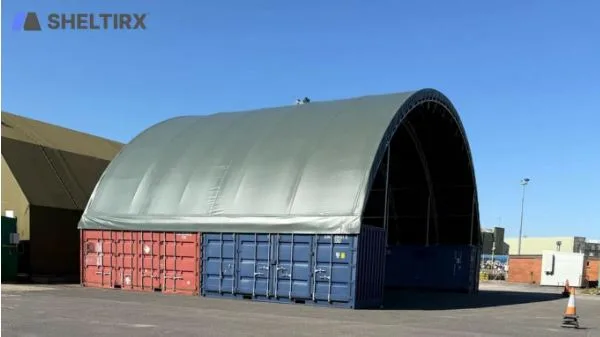
Managing a logistics yard without adequate overhead protection costs more than most operators realize – damaged equipment, weather delays, and compliance headaches add up fast. A well-specified container shelter solves all three, but only if you pick the right one for your site conditions and operational demands. With dozens of configurations on the market, the selection process can get confusing quickly. This guide cuts through the noise and gives you the practical framework that experienced procurement teams and site managers actually use.
What a Container Shelter Is – and Why Yard Operations Depend on Getting It Right
A container shelter is a free-standing or container-anchored fabric or steel structure designed to cover active work zones, staging areas, or storage rows in an industrial yard setting. It’s not a permanent building – and that’s precisely the point. These structures deploy fast, relocate when your yard layout shifts, and don’t require the permits or lead times that permanent construction demands.
In practice, the most common configuration uses a rigid steel galvanized frame with a heavy-duty PVC or polyethylene fabric skin. The frame typically spans 20 to 80 feet and anchors directly to shipping container footings – which is why you’ll hear the term shipping container shelter used interchangeably with container shelter in most procurement conversations.
What separates a well-chosen structure from a regretted purchase is matching the shelter to your actual wind load zone, ground conditions, and span requirements. A structure specced for a mild-climate warehouse yard will underperform badly on a Gulf Coast site or a high-elevation mountain terminal. And undersized anchoring on soft fill ground is one of the most common field failures we see with structures that were bought on price alone.
Don’t underestimate the operational upside of getting this right. Covered staging reduces product damage claims, keeps crews working through light weather events, and protects equipment between shifts.
Where These Structures Get Used – and How They Stack Up Against Alternatives
Logistics yards across the US use container shelters in several consistent applications:
- Container row coverage: spanning two parallel rows of shipping containers to create a covered lane for loading, sorting, or inspection work
- Equipment staging and short-term storage: protecting forklifts, palletized goods, and ground support equipment between shifts
- Maintenance and light fabrication zones: covered work areas that keep technicians productive in rain or direct sun without the cost of a permanent shop
- Intermodal transfer points: temporary covered connections between rail and road transfer areas where a fixed building isn’t practical
Container canopy systems are often compared against prefab metal buildings and stretch tents in yard environments. Metal buildings win on longevity in permanent applications but take months to permit, engineer, and erect. Stretch tents are fast but don’t hold up to sustained industrial use. The container shelter lands in the middle: fast to deploy, built for industrial-grade abuse, and relocatable when your yard layout or contracts change.
For a broader look at how these solutions fit into overall yard infrastructure planning, this overview of industrial yard storage solutions covers the tradeoffs across cover types in more detail.
Key Buying Considerations Before You Commit to a Spec
Here’s where buyers often make expensive mistakes. The catalogue spec sheet tells you what the structure is. What it doesn’t tell you is whether that structure will perform on your specific site under your specific load conditions. Ask these questions before you sign a purchase order.
- Wind and snow load ratings. Every yard has a local design wind speed. In coastal zones, ASCE 7 minimums start at 130 mph. Inland plains sites hit 115–120 mph regularly. Your shelter needs to meet or exceed the local requirement – full stop. Same goes for snow load if you’re in the Upper Midwest or Northeast. Ask the manufacturer for the certified load rating, not just a general claim.
- Frame material and corrosion protection. Hot-dip galvanized steel holds up far better than zinc-spray coated frames in outdoor industrial environments, especially near salt air or chemical exposure. Verify the galvanization spec before comparing prices.
- Fabric weight and UV resistance. PVC-coated polyester in the 650–900 gsm range is the standard for serious industrial applications. Lighter fabric cuts upfront cost but translates to early degradation, pinholes, and heat transmission problems.
- Anchoring system. Container-footing anchors are the most common configuration, but verify the connection hardware. Through-bolted clamps on corner castings outperform strap-and-pin systems in high-wind events. If you’re anchoring to grade, get a soil assessment before committing to an anchor type.
- Lead time and local support. The best structure on paper is a liability if parts take 12 weeks from overseas. Ask about domestic inventory, lead time on replacement fabric panels, and whether the supplier has installation crews or dealer support in your region.
How the Industry Has Adapted to Meet These Demands
The past several years have pushed shelter manufacturers to close the gap between speed-to-deploy and structural performance. Fabricators serving the port, logistics, and construction industries have developed systems that combine certified engineering with field-configurable designs – so the same product family can scale from a 40-foot single-bay covering to a multi-bay covered complex across a half-acre staging yard.
One example of this direction: SkyShield™ container canopies by Sheltirx have emerged as a recognized option in logistics yard and port environments where certified wind load compliance and fast deployment are both non-negotiable. Sheltirx® designs these systems with container-integrated anchoring as the default configuration – a practical answer to the anchoring reliability problem that has historically plagued fabric structures on active industrial sites. It’s the kind of product development that reflects direct feedback from procurement teams who’ve dealt with the consequences of under-engineered solutions.
The broader trend points to fabric structures increasingly being specified by engineers and project managers – not just as temporary fixes, but as permanent infrastructure choices where flexibility has real operational value.
The Bottom Line on Making the Right Call
Three things drive most of the decision. First, get the structural spec right for your local wind and snow load conditions – don’t compromise on this regardless of budget pressure. Second, match the anchoring system to your actual site conditions, whether that’s container footings, concrete anchors, or engineered ground anchors. Third, factor in total cost of ownership, not just the purchase price – fabric life, local parts availability, and installation support all affect what this structure actually costs you over five to ten years.
The right container shelter doesn’t just protect your yard. It becomes part of how your operation runs.