How to Disinfect Your Workplace with Office Cleaning Liverpool Services
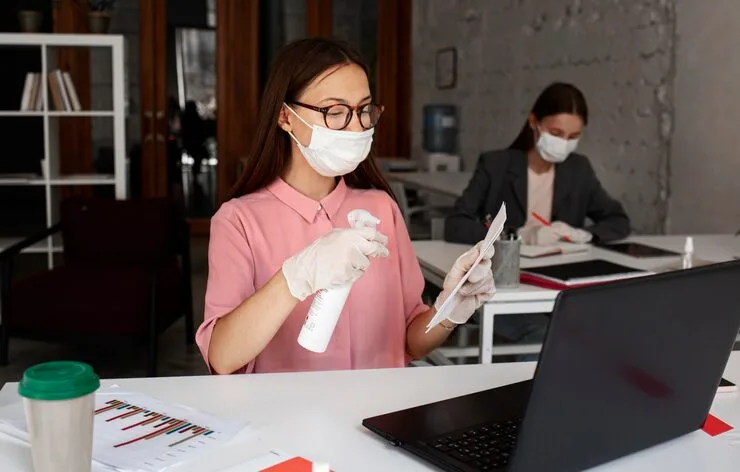
There’s a meaningful difference between a workplace that looks clean and one that’s actually disinfected — and most offices only discover this the hard way, usually during flu season when half the team is off sick within the same fortnight. A tidy desk with no visible mess can still be covered in bacteria and viruses that spread through nothing more than a shared keyboard, a door handle, or a kettle everyone touches on the way past.
Disinfection isn’t the same process as general cleaning, and it isn’t something that happens automatically just because bins get emptied and surfaces get wiped. It requires the right products, the right contact time, and a proper understanding of which areas actually pose the highest risk. This guide walks through exactly how proper workplace disinfection works, why it matters more than most businesses realise, and how professional office cleaning Liverpool providers approach it differently to a standard tidy-up.
By the end, you’ll know the difference between cleaning and disinfecting, which surfaces in your office need the most attention, how often disinfection should actually happen, and what to look for when comparing office cleaning agencies that claim to offer it.
Cleaning vs Disinfecting: Why the Distinction Actually Matters
This is worth clarifying upfront, because the two terms get used interchangeably far more often than they should.
Cleaning removes visible dirt, dust, and debris from a surface using soap or detergent and water. It makes a surface look better and removes a portion of germs in the process, but it doesn’t reliably kill bacteria or viruses.
Disinfecting uses chemical agents specifically designed to kill bacteria and viruses on a surface, typically requiring the product to remain wet on the surface for a set contact time (often anywhere from 30 seconds to several minutes, depending on the product) to be effective.
In short: a surface can be clean without being disinfected, but it can’t be properly disinfected without first being clean, since dirt and grime can shield bacteria from disinfectant reaching the surface underneath.
This is one of the most common gaps in office cleaning routines — surfaces get wiped down quickly, which makes them look presentable, but the disinfectant either isn’t used at all or doesn’t stay on the surface long enough to actually work.
Why This Distinction Gets Missed So Often
In a fast-paced office cleaning routine, especially one squeezed into a short window before or after working hours, there’s rarely time to let a disinfectant sit for its full contact time on every surface. This is one of the clearest signs of the difference between a rushed, generic clean and a properly structured disinfection process carried out by an experienced cleaner for office cleaning who understands the correct method, not just the checklist.
The High-Risk Surfaces Most Offices Overlook
Not every surface in an office carries the same risk, and disinfection efforts are far more effective when they’re targeted rather than spread thin across everything equally.
Shared Touchpoints
Door handles, light switches, lift buttons, and shared equipment like printers or photocopiers are touched by nearly everyone in the building throughout the day, making them some of the highest-risk surfaces for spreading illness. These areas benefit from disinfection multiple times a day in busier offices, not just as part of an end-of-day routine.
Desks and Communal Workstations
In hybrid or hot-desking environments, workstations are used by multiple people across a week, meaning bacteria and viruses can transfer between staff who never actually interact directly. Keyboards, mice, and phone handsets are particularly overlooked, despite being touched constantly throughout the day.
Kitchen and Breakout Areas
Kettles, fridge handles, microwave buttons, and shared cutlery drawers see heavy use and are exactly the kind of surfaces where cleaning offices routines often focus on visible mess (crumbs, spills) while missing the disinfection step for high-touch points nearby.
Washrooms
Washrooms are the most obvious disinfection priority for most people, but the detail matters here too — taps, flush handles, and door locks need the same attention as toilet seats and sinks, since these are just as frequently touched and just as often missed in a standard clean.
Meeting Rooms and Shared Equipment
Conference phones, remote controls, and shared stationery in meeting rooms are touched by a rotating group of people throughout the day, often without anyone considering them a disinfection priority in the same way a desk or washroom would be.
How Often Should a Workplace Be Disinfected?
This depends heavily on office size, footfall, and time of year, but there are some general guidelines worth following.
High-touch surfaces — door handles, light switches, shared equipment — generally benefit from disinfection at least once a day, and ideally more frequently in larger or busier offices, particularly during autumn and winter when illness spreads more easily.
Desks and workstations should be disinfected daily in shared or hot-desking setups, and at minimum a few times a week even in offices where staff have fixed desks.
Washrooms need disinfection at least once daily, with higher-footfall offices often requiring this multiple times throughout the working day.
Kitchens and breakout areas should be disinfected daily, with high-touch points like kettle handles and fridge doors ideally addressed more frequently given how often they’re used.
Businesses working with professional cleaning offices services often set up a tiered schedule — daily disinfection for the highest-risk areas, with a more thorough deep disinfection (covering less obvious spots) on a weekly or fortnightly basis.
What Proper Workplace Disinfection Actually Involves
A genuinely effective disinfection process follows a specific sequence, and skipping steps is usually why results fall short even when the right products are being used.
Step 1: Clean the Surface First
As covered earlier, disinfectant works best on a surface that’s already free of visible dirt and grime. Skipping this step and going straight to disinfectant reduces effectiveness significantly.
Step 2: Apply the Right Product for the Surface
Not all disinfectants suit every surface — some are unsuitable for electronics, others aren’t appropriate for food-prep areas. Professional business commercial cleaning teams are trained to match the product to the surface, rather than using a single generic spray across the entire office.
Step 3: Allow Proper Contact Time
This is the step most commonly rushed. Disinfectant needs to remain wet on the surface for the time specified by the manufacturer to actually kill bacteria and viruses, which can range from under a minute to several minutes depending on the product.
Step 4: Allow the Surface to Air Dry Where Possible
Wiping disinfectant away too soon, before it’s had time to work, undermines the entire process. Where practical, surfaces should be left to air dry rather than dried off immediately after application.
Choosing Office Cleaning Agencies That Take Disinfection Seriously
If workplace disinfection is a genuine priority for your business — and given the impact on staff sickness and absence, it arguably should be — it’s worth being specific when comparing providers.
Ask About Their Products and Contact Times
A provider who can clearly explain what disinfectant they use and how long it needs to sit on a surface is demonstrating real understanding of the process, rather than simply offering a generic cleaning package with “disinfection” added as a buzzword.
Ask How They Prioritise High-Touch Areas
Good cleaning office agencies should be able to talk through their approach to touchpoints specifically, rather than treating the whole office as a single undifferentiated space.
Check Their Training and Experience
Disinfection done properly requires a level of training beyond general tidying. Ask whether staff are trained specifically in disinfection protocols, particularly if your business has any specific compliance requirements (healthcare-adjacent offices, food-related businesses, or client-facing spaces with higher hygiene expectations).
Local Providers Understand Local Conditions
A Liverpool-based provider like Maid Right Cleaning Ltd, with direct experience across the city’s commercial buildings, is generally better positioned to advise on realistic disinfection schedules for your specific office type, rather than applying a generic national template regardless of your building or industry.
Simple Disinfection Habits Staff Can Maintain Between Professional Visits
Professional office cleaning Liverpool services handle the thorough, scheduled disinfection work, but a few daily habits from staff help maintain hygiene standards between visits:
- Keep hand sanitiser accessible near high-touch areas like entrances and shared equipment.
- Wipe down personal workstations at the start or end of each day, particularly in hot-desking setups.
- Avoid eating at desks where possible, reducing crumbs and spills that create additional cleaning demands.
- Report visibly dirty or high-use areas promptly rather than waiting for the next scheduled clean.
- Encourage staff to stay home when unwell, since disinfection reduces risk but doesn’t eliminate transmission entirely.
Frequently Asked Questions
What’s the difference between cleaning and disinfecting an office? Cleaning removes visible dirt and some germs using soap and water, while disinfecting uses chemical products specifically designed to kill bacteria and viruses, generally requiring the product to sit on the surface for a set contact time to be effective.
How often should an office be professionally disinfected? High-touch surfaces like door handles and shared equipment generally need daily disinfection, while a more thorough deep disinfection covering less obvious areas is often scheduled weekly or fortnightly, depending on office size and footfall.
Can regular cleaning staff also handle proper disinfection, or does it need a specialist? Disinfection can be handled by general cleaning office staff, provided they’re properly trained in product use and contact times. It’s worth confirming this specifically with any provider rather than assuming disinfection is automatically included in a standard clean.
Is disinfecting worth the extra cost for a small office? Given the direct link between workplace hygiene and staff sickness or absence, most small businesses find the investment worthwhile, particularly for high-touch shared areas like kitchens, washrooms, and communal desks.
What should I look for when comparing office cleaning agencies for disinfection services? Look for providers who can clearly explain their disinfectant products, contact times, and approach to prioritising high-touch surfaces, rather than those who simply add “disinfection” as a generic add-on without detail.
Final Thoughts and Next Steps
Proper workplace disinfection isn’t complicated, but it does require more care and consistency than most offices realise, particularly around contact time and identifying the surfaces that actually carry the highest risk. Getting this right has a genuine impact on staff wellbeing and absence rates, not just how the office looks on a walk-through.
If your current cleaning arrangement doesn’t clearly address disinfection — or you’re not entirely sure what’s actually being done beyond a general wipe-down — it’s worth asking the question directly. Get in touch with Maid Right Cleaning Ltd to discuss a disinfection-focused cleaning plan tailored to your office, and find out how proper hygiene protocols can make a measurable difference to your workplace.