Top 10 Reasons for Car Brake Failures (And How to Prevent Them)
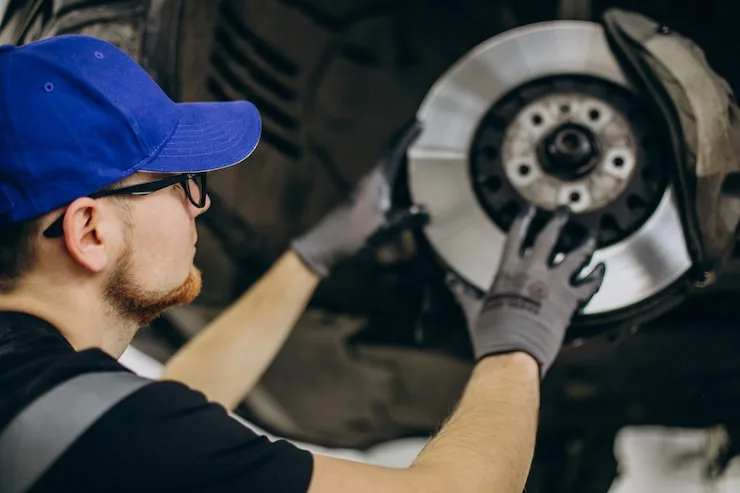
There’s nothing quite as unsettling as pressing your brake pedal and feeling it sink to the floor, or hearing a grinding noise that makes your stomach drop. Brake failure is one of the most dangerous things that can happen behind the wheel, and unfortunately, it rarely happens without warning. Most brake failures are the end result of small problems that went unnoticed or ignored for months.
If you’re searching for reliable auto repair Pflugerville drivers can trust, you’ve probably already had a scare or two with your brakes, or you’re simply trying to stay ahead of trouble before it starts. Either way, you’re in the right place. In this guide, we’ll walk through the ten most common reasons brakes fail, the warning signs your car gives you before it happens, and what you can do to keep your family safe on the road.
By the end of this article, you’ll know exactly what to watch for, when to schedule a brake inspection, and why routine maintenance is so much cheaper than an accident.
1. Worn Brake Pads
This is, by far, the most common cause of brake trouble. Every time you press the brake pedal, your pads clamp down on the rotors to slow the wheels. Over thousands of miles, that friction wears the pad material down until there’s nothing left but metal backing plates.
Warning signs:
- A high-pitched squeal when braking (this is often an intentional wear indicator)
- A grinding or metal-on-metal sound
- Longer stopping distances
Most manufacturers recommend checking pads every 12,000 miles, though driving habits, traffic, and terrain all affect how quickly they wear. Stop-and-go city driving wears pads faster than highway cruising.
2. Low or Contaminated Brake Fluid
Brake fluid is the unsung hero of your braking system. It transfers the pressure from your foot on the pedal to the calipers that squeeze the rotors. If fluid levels drop due to a leak, or if the fluid becomes contaminated with moisture and debris, your brakes can feel spongy or fail to engage properly.
Brake fluid is hygroscopic, meaning it naturally absorbs water over time. That moisture lowers the fluid’s boiling point, which can cause the brakes to feel soft or unresponsive, especially during long downhill drives or heavy braking. Most experts recommend flushing brake fluid every two to three years.
3. Leaking Brake Lines or Calipers
A leak anywhere in the hydraulic system, whether it’s a brake line, hose, or caliper, means you’re losing the fluid pressure your brakes depend on. Even a small leak can lead to a soft pedal, and a significant one can cause total brake failure.
Common culprits include rusted metal lines (especially in older vehicles), cracked rubber hoses, or a caliper piston seal that has worn out. If you notice puddles of clear-to-brownish fluid under your car, or your brake pedal sinks slowly to the floor when held, get it checked immediately.
How to Spot a Fluid Leak Early
Check your driveway or garage floor periodically for fluid spots. Brake fluid feels slightly oily and doesn’t have the sweet smell of coolant. If you’re unsure what you’re looking at, any qualified shop offering car repair Pflugerville TX residents rely on can test and identify the fluid in minutes.
4. Warped or Damaged Rotors
Rotors are the discs your brake pads clamp onto. Under normal use, they wear evenly. But repeated hard braking, especially from high speeds, generates intense heat that can cause rotors to warp or develop hot spots.
Signs of warped rotors:
- A pulsing or vibrating sensation in the brake pedal or steering wheel
- Uneven braking that pulls the car to one side
- Visible grooves or discoloration on the rotor surface
Warped rotors don’t just reduce stopping power, they also accelerate wear on your pads, creating a cycle of deterioration if left unaddressed.
5. Air in the Brake Lines
Brake systems are designed to be a sealed, fluid-filled environment. If air gets into the lines (often after a repair, a fluid change, or a slow leak), it compresses when you press the pedal instead of transferring force to the brakes. This is why your pedal might feel “spongy” or go almost all the way to the floor before engaging.
This issue requires a professional brake bleed to remove trapped air and restore proper pedal feel. It’s a quick fix when caught early, but dangerous if ignored.
6. Failing Brake Master Cylinder
The master cylinder is the heart of your hydraulic braking system. It converts the force from your foot into hydraulic pressure that travels to each wheel. When internal seals wear out, fluid can bypass the pistons instead of building pressure, leading to a pedal that feels soft or sinks under steady pressure.
A failing master cylinder is one of the more serious brake problems because it affects the entire system at once, not just one wheel. If your pedal has been feeling progressively softer over several weeks, this is worth investigating.
7. Worn Out or Stuck Brake Calipers
Calipers house the pistons that push your brake pads against the rotors. Over time, caliper pistons can seize due to rust, dirt, or old brake fluid, causing uneven braking, pulling to one side, or a pad that wears out much faster on one wheel than the others.
A stuck caliper can also cause your car to drag or feel like it’s still slightly braking even after you release the pedal, which leads to overheating and, in some cases, smoke coming from a wheel.
8. Overheated Brakes (Brake Fade)
Ever drive down a long hill and notice your brakes feel less responsive the longer you hold them? That’s brake fade, and it happens when excessive heat builds up faster than the system can dissipate it. The brake fluid can even begin to boil, introducing vapor bubbles into the lines, which compress instead of transferring pressure.
This is more common in mountainous driving or when towing heavy loads, but it can also happen in stop-and-go traffic during Texas summers when temperatures under the hood climb quickly.
9. Neglected Maintenance and Skipped Inspections
Many brake failures aren’t caused by one dramatic event, they’re the result of small issues stacking up over months or years because a routine inspection got pushed off. Worn pads that get ignored eventually damage rotors. A minor fluid leak that goes unnoticed eventually drains the system.
Routine visits to a trusted mechanic Pflugerville TX drivers recommend can catch these problems while they’re still inexpensive, five-minute fixes rather than expensive repairs or safety hazards.
Why Regular Inspections Matter
A basic brake inspection typically checks pad thickness, rotor condition, fluid level and quality, and the condition of hoses and lines. Most reputable shops can perform this in under 30 minutes, and it’s one of the most cost-effective things you can do for your vehicle’s safety.
10. Collision or Impact Damage
Even a minor fender bender or pothole strike can damage brake lines, bend rotors, or knock components out of alignment. Sometimes the damage isn’t obvious right away. If you’ve been in an accident recently, even a small one, it’s worth having your brakes inspected alongside any auto body Pflugerville repair work, since body damage and mechanical damage often go hand in hand.
What to Do If You Suspect Brake Trouble
If you notice any of the warning signs above, squealing, grinding, pulling, a soft pedal, or vibration, don’t wait for it to get worse. Here’s a simple approach:
- Note the symptoms. When does it happen? Braking at speed, first thing in the morning, only on turns?
- Check fluid levels if you’re comfortable popping the hood; a low reservoir often points to a leak.
- Avoid heavy braking and high speeds until you can get it inspected.
- Schedule an inspection promptly. Brake problems rarely fix themselves and tend to get more expensive the longer they’re ignored.
Frequently Asked Questions
How do I know if my brakes are failing? The most common early signs are a squealing or grinding noise, a soft or sinking pedal, vibration when braking, or the car pulling to one side. If your dashboard brake warning light turns on, get it checked right away.
How often should brake pads be replaced? Most brake pads last between 25,000 and 70,000 miles depending on driving habits, vehicle weight, and terrain. City driving with frequent stops wears pads faster than highway driving.
Is it safe to drive with a soft brake pedal? No. A soft or spongy pedal usually indicates air or moisture in the brake lines, a fluid leak, or a failing master cylinder. Any of these can lead to reduced stopping power or complete failure, so it’s best to have it inspected before driving further than necessary.
Can I just add brake fluid instead of flushing it? Topping off low fluid can mask a leak temporarily, but it doesn’t address the underlying cause or remove moisture-contaminated fluid already in the system. A proper flush every two to three years is recommended for long-term reliability.
What does it cost to fix brake problems? Costs vary widely depending on what’s wrong. Pad replacement is relatively affordable, while rotor replacement, caliper repair, or master cylinder issues cost more. Catching problems early through regular inspections almost always costs less than waiting for a failure.
Final Thoughts: Don’t Wait for a Warning Sign to Become an Emergency
Your brakes are one system on your vehicle where “wait and see” simply isn’t worth the risk. The good news is that nearly every cause of brake failure on this list gives you some kind of warning first, whether it’s a noise, a feeling in the pedal, or a fluid spot in your driveway. Paying attention to those signs, and acting on them quickly, is the difference between a routine repair and a roadside emergency.
If you’re noticing any of the symptoms covered in this guide, or it’s simply been a while since your last brake inspection, don’t leave it to chance. The team at AFS Truck & Auto Repair Center has been helping local drivers stay safe on the road with honest, thorough brake service and general auto repair. Schedule an inspection today and drive with confidence, knowing your brakes are ready for whatever the road throws at you.