How to Measure Double Glazed Unit Thickness (Step-by-Step Guide)
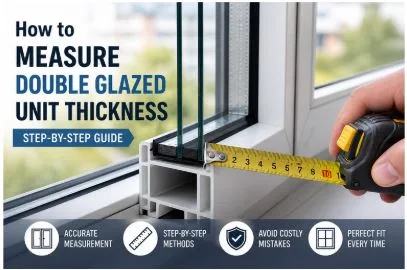
Quick Answer: How Do You Measure Double Glazing Thickness?
To measure double glazed unit thickness, you can either measure the total frame depth and subtract the gaps between the glass and frame on both sides, or use a glass thickness gauge to get an instant and accurate reading without removing the unit. The correct method depends on the tools you have and how precise your measurement needs to be.
What Is Double Glazed Unit Thickness?
Before measuring anything, it’s important to understand what you’re actually measuring.
A double glazed unit, often called an insulated glass unit (IGU), is not a single piece of glass. It is a sealed structure made up of multiple components working together to improve insulation and reduce noise.
How Double Glazing Is Constructed
A standard unit consists of three main parts:
- Two panes of glass (inner and outer)
- A spacer bar between them
- An air or gas-filled gap (often argon gas)
The total thickness is simply the sum of these components.
Example of Common Thickness Formats
Most modern double glazing follows standard formats:
- 4mm glass + 16mm spacer + 4mm glass = 24mm
- 4mm glass + 20mm spacer + 4mm glass = 28mm
Slimline units used in older or period properties can be much thinner, sometimes between 7mm and 14mm.
Understanding this structure makes it much easier to measure accurately and identify what you’re working with.
Tools You Can Use to Measure Thickness
You don’t always need specialist tools, but having the right equipment can improve accuracy.
For most DIY measurements, you can use:
- A tape measure
- A straight edge (such as a ruler or flat piece of wood)
For more precise results, especially in professional settings:
- A glass thickness gauge
- Digital calipers
If you don’t have advanced tools, don’t worry, the manual methods below work well for most situations.
Method 1: Measure Double Glazing Thickness Without Removing It (Most Common)
This is the most widely used method because it doesn’t require removing the glass.
Step-by-Step Instructions
Start by measuring the total thickness of the window frame or opener where the glass sits. This gives you the full depth.
Next, place a straight edge flat against one side of the frame so that it extends over the glass. Because the frame is deeper than the glass unit, the straight edge will not touch the glass surface.
Measure the gap between the glass and the straight edge. This is the distance from the glass surface to the inside edge of the frame.
Repeat the same process on the opposite side of the frame.
Add both gap measurements together, then subtract that total from the full frame thickness.
What remains is the thickness of the double glazed unit.
Example Calculation
If your frame thickness is 62mm, and the gap on each side is 17mm:
- Total gap = 17mm + 17mm = 34mm
- 62mm – 34mm = 28mm
So, your double glazed unit thickness is 28mm.
This method is reliable for most standard windows and doors, especially in uPVC frames.
Method 2: Removing the Glazing Bead (Most Accurate)
If you need maximum accuracy and are comfortable with basic DIY work, removing the glazing bead is a better option.
The glazing bead is the trim that holds the glass unit in place. Once removed, you can directly access the edge of the glass unit.
Carefully remove the bead using appropriate tools, then measure the full thickness of the unit using a ruler or calipers.
This method eliminates guesswork and provides the most precise measurement. However, it requires care to avoid damaging the frame or glass.
Method 3: Using a Glass Thickness Gauge (Fastest Method)
A glass thickness gauge is the easiest and fastest way to measure double glazing thickness.
This tool works by analyzing reflections in the glass to determine:
- The thickness of each pane
- The total thickness of the unit
It requires no removal and provides highly accurate results within seconds.
This method is ideal for:
- Professionals
- Frequent measurements
- Situations where precision is critical
Method 4: Measuring Using the Spacer Bar
The spacer bar is the strip visible between the two panes of glass, usually seen at the edge of the unit.
You can measure the spacer bar thickness using a ruler. Common sizes include 12mm, 16mm, and 20mm.
Once you know the spacer thickness, you can estimate the total unit thickness by adding the glass panes. Most residential windows use 4mm glass on each side.
For example:
- 16mm spacer + 4mm + 4mm = 24mm total thickness
This method is quick but less precise, as it assumes standard pane thickness.
Method 5: Reflection Method (Advanced Technique)
This is a lesser-known method that uses reflections to estimate glass thickness.
Place a pen or object against the glass and look at its reflection. You’ll see multiple reflections corresponding to each pane.
By observing the spacing between reflections, you can estimate the thickness of the panes and the gap between them.
This method requires experience and is not as accurate as others, but it can be useful when tools are not available.
Standard Double Glazing Thicknesses Explained
Most double glazed units fall into a few standard categories.
The most common thicknesses are 24mm and 28mm, as these provide an optimal balance between insulation and compatibility with modern frames.
Slimline double glazing, often used in older properties or sash windows, can range from 7mm to 14mm to preserve the original appearance.
Triple glazing, which includes three panes of glass and two gaps, is typically thicker and designed for higher energy efficiency.
Common Mistakes When Measuring Double Glazing
Many measurement errors come from misunderstanding how the unit fits inside the frame.
One common mistake is measuring the entire frame instead of calculating the actual glass unit thickness. Another is forgetting to subtract both gaps on either side of the glass.
People also often ignore the depth of the beading, which can affect how much of the glass is visible and how measurements should be taken.
Assuming all units are standard sizes can also lead to incorrect orders, especially in older or custom-built windows.
Troubleshooting: What If Your Measurement Doesn’t Match Standard Sizes?
If your measurement doesn’t match common sizes like 24mm or 28mm, there are a few possible reasons.
The unit may be non-standard, particularly in older buildings or custom installations. Frame irregularities or measurement errors can also affect the result.
Double-check your measurements, ensuring you measured both gaps accurately and used a straight edge correctly.
If the result is still unusual, consider using a thickness gauge or removing the glazing bead for confirmation.
When Should You Call a Professional?
While many measurements can be done yourself, there are situations where professional help is recommended.
If the window is difficult to access, the frame is damaged, or you need exact measurements for ordering replacement glass, a professional glazier can ensure accuracy and prevent costly mistakes.
In such cases, consulting experienced providers such as Urgent Windows can help ensure accurate measurements and avoid costly mistakes.
Final Thoughts
Measuring double glazed unit thickness is straightforward once you understand how the unit is constructed and which method to use.
For most homeowners, the frame subtraction method provides a reliable estimate. For higher accuracy, especially in professional settings, a glass thickness gauge or direct measurement is the better choice.
By using the right method and avoiding common mistakes, you can confidently determine the correct thickness and ensure a proper fit for replacement or upgrades.