Understanding Loft Insulation and Why It Matters
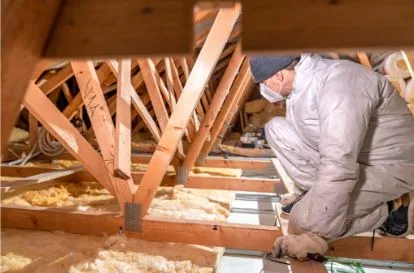
Loft insulation is one of those things most people don’t think about until their house starts feeling freezing in winter or way too warm in summer. It sits out of sight, but it plays a massive role in keeping your home comfortable and energy efficient. Heat naturally rises, and without proper insulation in your loft, a big chunk of that heat escapes through the roof. That means higher energy bills and a home that never quite feels right temperature-wise.
A lot of homeowners end up looking into loft insulation companies when they realise just how much heat they’re losing. Whether you’re living in an older property or something more modern, insulation standards change over time, so what was considered “good enough” ten years ago might not cut it today.
How Loft Insulation Works
At its core, loft insulation slows down the movement of heat. It doesn’t generate warmth, it simply keeps the warmth you already have inside your home for longer. Most insulation materials trap tiny pockets of air, and these pockets reduce the transfer of heat.
During winter, this means less heat escapes through the roof. In summer, it helps prevent excess heat from entering your home. It’s a simple concept, but it has a noticeable impact on your day-to-day living conditions.
Different materials are used for loft insulation, and each comes with its own pros and cons. The most common types include mineral wool, fibreglass, and rigid insulation boards. The choice usually depends on your loft structure, your budget, and how accessible the space is.
Types of Loft InsulationBlanket Insulation
Blanket insulation is probably the most common type you’ll come across. It usually comes in rolls and is laid between the joists in your loft. It’s relatively easy to install and is often used in standard loft spaces that are easy to access.
Mineral wool and fibreglass are typical materials used here. They’re affordable and effective, which is why they’re so widely used.
Loose-Fill Insulation
Loose-fill insulation involves scattering lightweight materials, like cellulose or mineral wool, across the loft floor. It’s useful for awkward spaces where rolls wouldn’t fit neatly. However, it can be a bit messy and may need topping up over time as it settles.
Rigid Board Insulation
Rigid boards are more solid and are often used when the loft is being converted into a usable room. They offer high insulation performance but tend to be more expensive. These boards are usually fitted between rafters rather than on the loft floor.
Spray Foam Insulation
Spray foam expands to fill gaps and create an airtight seal. It’s very effective but also more expensive and sometimes controversial, especially when it comes to property valuations and mortgage approvals. It’s something people tend to research carefully before committing to.
Signs Your Loft Insulation Needs Upgrading
Not everyone knows when their insulation needs attention, but there are a few clear signs to look out for.
If your home feels cold even when the heating is on, that’s a major hint. Another sign is high energy bills that don’t seem to match your usage. If you go up into your loft and see insulation that looks thin, uneven, or damaged, it’s probably not doing its job properly.
Condensation can also be an issue. Poor insulation combined with bad ventilation can lead to damp problems, which can then cause mould. That’s not just bad for your home but also for your health.
A lot of people end up reaching out to loft insulation companies after noticing one or more of these issues. It’s usually better to deal with it early rather than let it turn into a bigger problem.
The Installation Process
Getting loft insulation installed isn’t overly complicated, but it does require some preparation. First, the loft space needs to be cleared so installers can access the entire area. Any existing insulation is assessed to see whether it can be topped up or needs replacing.
Next, the insulation material is laid or fitted, depending on the type being used. For blanket insulation, this usually involves laying rolls between and over the joists. For rigid boards, it might involve cutting and fitting them between rafters.
Ventilation is also considered during installation. Proper airflow is important to prevent moisture build-up, so installers will make sure vents aren’t blocked.
The whole process can often be completed within a day, depending on the size of the loft and the complexity of the job.
Costs and What Affects Them
The cost of loft insulation varies quite a bit. Factors include the size of your loft, the type of insulation you choose, and whether any existing insulation needs to be removed.
Basic blanket insulation is generally the cheapest option, while rigid boards and spray foam can be more expensive. Labour costs also play a role, especially if the loft is difficult to access.
Many people compare different loft insulation companies before deciding who to go with. Prices can vary, but it’s not just about finding the cheapest option. The quality of the work matters just as much.
Energy Efficiency and Savings
One of the main reasons people invest in loft insulation is to improve energy efficiency. A well-insulated home retains heat better, which means your heating system doesn’t have to work as hard.
Over time, this can lead to noticeable savings on energy bills. While the upfront cost might put some people off, the long-term savings often make it worthwhile.
There’s also the environmental side of things. Using less energy reduces your carbon footprint, which is something more people are becoming aware of.
Loft Insulation and Property Value
Insulation can also have an impact on property value. Buyers are increasingly looking at energy efficiency when choosing a home. A well-insulated property is more appealing because it suggests lower running costs.
Energy Performance Certificates (EPCs) are often used to show how efficient a home is. Improving your loft insulation can help boost your rating, which can be a plus if you ever decide to sell.
Some buyers even check whether work has been carried out by reputable loft insulation companies, as it gives them more confidence in the quality of the installation.
Common Mistakes to Avoid
There are a few mistakes people make when dealing with loft insulation. One of the biggest is compressing the insulation. It might seem like a good idea to pack it down, but this actually reduces its effectiveness.
Another mistake is blocking ventilation. Insulation should never cover vents, as this can lead to moisture problems.
Some people also underestimate how much insulation they need. There are recommended thickness levels, and going below these means you won’t get the full benefits.
Trying to do everything yourself without proper knowledge can also lead to issues. While some installations are DIY-friendly, others are better left to professionals.
Choosing the Right Approach
Deciding how to insulate your loft depends on your specific situation. If your loft is only used for storage, floor insulation is usually enough. If you’re planning to convert it into a living space, roof insulation becomes more important.
It’s also worth thinking about future plans. If you might convert your loft later on, it could make sense to invest in a more suitable insulation method now rather than redoing it later.
Many homeowners consult loft insulation companies to figure out the best approach. They can assess your loft and recommend what works best for your setup.
Maintenance and Longevity
Loft insulation doesn’t require much maintenance, but it’s not something you should completely ignore. It’s a good idea to check it occasionally to make sure it hasn’t been disturbed or damaged.
Pests, moisture, and general wear can all affect insulation over time. If you notice any issues, it’s better to sort them out quickly rather than let them worsen.
Most insulation materials are designed to last for many years, but they’re not completely immune to problems. Keeping an eye on things helps ensure it continues to perform properly.
Final Thoughts
Loft insulation might not be the most exciting part of owning a home, but it’s definitely one of the most important. It affects comfort, energy use, and even property value in ways that aren’t always obvious at first.
Understanding how it works, the different types available, and when it needs upgrading can help you make better decisions. Whether you’re dealing with an older property or just looking to improve efficiency, it’s something worth paying attention to.
A lot of people only start researching loft insulation companies once they notice a problem, but being proactive can save time, money, and hassle in the long run.